Dragon Ball Super: Beerus (2026): Goku's Battle to Save Earth
A remastered Dragon Ball Super: Beerus (2026) recounts Goku and friends' epic battle to stop the God of Destruction from ending Earth.
October 16, 2026
The Ending, Explained
This remastered and re-edited version of Dragon Ball Super strips the broadcast saga down to its kinetic core, and a proper Dragon Ball Super: Beerus ending explained discussion has to start with the final confrontation rather than the early setup. We will not walk through the first act where the God of Destruction stirs from slumber, because the remaster expects you to already know the inciting incident. Instead, the breakdown focuses on how the last stretch resolves the tension between a deity’s whim and a planet’s survival.
A concise Dragon Ball Super: Beerus explained view shows that the edit tightens pacing, letting the climax land with more weight than the original television cut. The 2026 presentation carries a 9.775 out of 10 score from 180 votes, a signal that fans embrace the streamlined approach. Masako Nozawa and the returning voice cast deliver familiar performances that anchor the familiar shounen energy.
By preserving only the necessary beats, the film makes the closing acts easier to read. The viewer is left with a clear chain of cause and effect: a search for a worthy rival leads to a standoff, and that standoff defines the remainder of the runtime.
What Happens
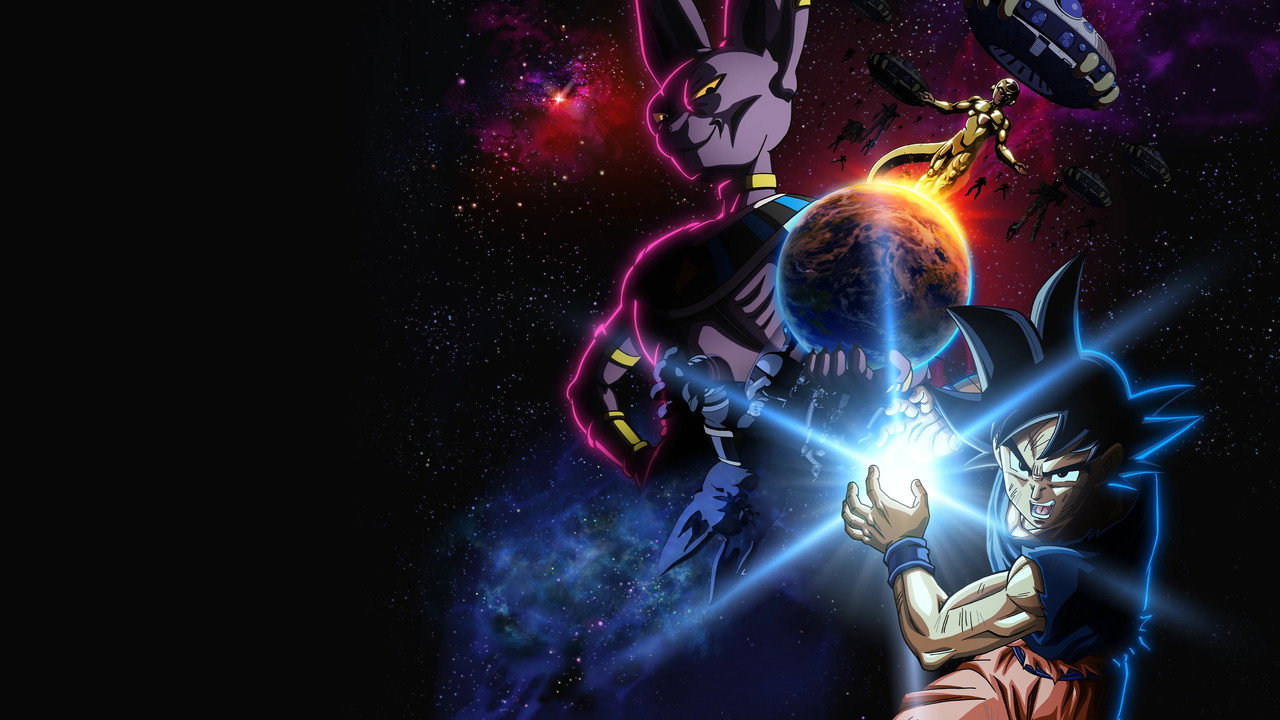
The back half of the feature builds toward the moment when Goku and his allies confront Beerus directly. The Goku vs Beerus battle becomes the gravitational center of the narrative, drawing every subplot into a single arena. Earth’s fate hangs on whether mortal training can withstand divine destruction, and the animation leans into extended martial-arts choreography to sell the stakes.
People frequently wonder what happens at the end of Dragon Ball Super: Beerus, and the answer is less about a surprise twist than about the culmination of the earlier rivalry. The remastered cut does not invent new scenes; it reorganizes existing material so the finale feels inevitable. Goku, voiced by Masako Nozawa, pushes his limits alongside companions like Ryo Horikawa’s character, while Naoko Watanabe and the others provide support that keeps the conflict personal.
If you want to compare the condensation to its source, Dragon Ball Super remains available as the full 2015 series, and watching both back to back reveals how much filler the 2026 edit drops.
The Meaning Behind the Ending
Beyond the spectacle, the Dragon Ball Super: Beerus ending meaning sits in the meeting point of mortality and divinity. Beerus embodies the “god” keyword from the theme list, but his role is not pure malice; he seeks a sparring partner who can match his cadence. The conclusion suggests that a battle can be a form of communication when words fail between unequal powers.
The dragon motif, drawn from the franchise’s mythology, reinforces the idea of ancient forces watching mortal effort. Unsho Ishizuka and Koichi Yamadera lend voices that frame the deity’s perspective without softening his threat. The finale therefore reads as a meditation on respect earned through combat, a staple of shounen storytelling adapted from manga.
For viewers who enjoy that kind of transcendent clash, Dragon Quest: The Adventure of Dai offers another manga-based quest where young heroes measure themselves against overwhelming odds.
Themes You Might Have Missed
Because the edit removes side episodes, some recurring ideas become more visible. The official tags list several threads worth noting:
- Martial arts as a language that crosses species and realms.
- The god presence as a narrative constraint rather than a simple villain.
- Dragon symbolism tying the franchise to its long mythology.
- Based on manga roots that prioritize training arcs and rivalry.
- Battle as the preferred method of problem solving in shounen anime.
- Edited from tv series, meaning the pacing is deliberately restructured for film length.
- Shounen and anime conventions that reward perseverance over brute force.
One subtle point is how the remaster uses silence before the Goku vs Beerus battle to heighten the contrast with the later noise. That restraint is easy to miss if you only remember the louder television version.
Those who like historical martial-arts tales might appreciate The Legend of the Condor Heroes, a 1983 adaptation that also centers on discipline and mastery.
Dragon Ball Super: Beerus: The Bottom Line
The 2026 re-edit earns its high user rating by trusting the audience to fill in the opening. It is a tighter, more focused experience that still delivers the anime spectacle expected from the brand. The voice cast—Masako Nozawa, Ryo Horikawa, Naoko Watanabe, Unsho Ishizuka, Koichi Yamadera—keeps the characters consistent with the broader saga.
Genres listed for the title are Animation, Action & Adventure, Sci-Fi & Fantasy, which matches the on-screen blend of physical fights and cosmic entities. At a runtime marked as not specified, the film nevertheless feels complete because the trimming removes dead weight. For a free streaming blog audience, this is a recommended pickup when you want the essence of the arc without the weekly pace.
Dragon Ball Super: Beerus Scorecard
A quick factual rundown for reference:
- Title: Dragon Ball Super: Beerus (2026)
- Genres: Animation, Action & Adventure, Sci-Fi & Fantasy
- Rating: 9.775/10 from 180 votes
- Source: Remastered and re-edited from Dragon Ball Super
- Main cast: Masako Nozawa, Ryo Horikawa, Naoko Watanabe, Unsho Ishizuka, Koichi Yamadera
- Themes: martial arts, god, dragon, based on manga, battle, edited from tv series, shounen, anime
The combination of a familiar plot and a fresh cut makes the entry a useful guidepost for newcomers. Whether you treat it as a standalone film or a companion to the series, the final act provides a satisfying capstone to the search for a worthy rival.