Downtown no Gaki no Tsukai ya Arahende!! (1989): A Variety Show
A guide to Downtown no Gaki no Tsukai ya Arahende!! (1989), the Japanese variety show hosted by Downtown with Hōsei Tsukitei and Cocorico.
October 26, 2026
The Ending, Explained
Many Western viewers stumble onto this long-running Japanese broadcast and immediately want a guide. When we look at Downtown no Gaki no Tsukai ya Arahende!! ending explained, we see that the series does not follow a narrative arc with a climactic resolution. Instead, the program is a variety show where the closure of each episode comes from the hosts winding down their sketches. The owarai duo Downtown, consisting of Masatoshi Hamada and Hitoshi Matsumoto, steer the chaos alongside co-hosts Hōsei Tsukitei and the Cocorico pair Naoki Tanaka and Shozo Endo. Because the format is built around comedy, talk, and intermittent action-adventure segments, the final moments are less about concluding a story and more about releasing the tension built during the preceding games.
The show carries the genres Action & Adventure, Comedy, and Talk, which already tells you that no single plot line binds the footage. As a Japanese tv show, it belongs to a tradition where the last segment serves as a palate cleanser. The main cast will often sit together, catch their breath, and let the artificial structure fall away. This is why the ending feels so different from a scripted sitcom.
We should also note that the production has no attributed director in our listings, which reinforces the idea that the program is a collaborative stage rather than auteur cinema. The runtime is not fixed, allowing the closing banter to stretch or shrink based on the day's energy. That flexibility is central to the variety show identity.
What Happens
Listeners often pose the question of what happens at the end of Downtown no Gaki no Tsukai ya Arahende!!, especially if they entered during a highlight reel. In practical terms, the concluding block of the broadcast lets the participants drop character. The main cast, including the seasoned Hamada and Matsumoto, share informal commentary. Since the program blends talk and comedy show elements, the wrap-up is an informal chat where the co-hosts reflect on the absurd tasks they completed.
There is no scripted finale because the production values prioritize spontaneous reaction over narrative payoff. The Cocorico members and Hōsei Tsukitei, formerly known as Hōsei Yamasaki, often poke fun at each other, and that gentle ribbing carries into the sign-off. This is the part of the broadcast where the Japanese comedy ethos of tearing down ego shines. The absence of a winner keeps the mood egalitarian.
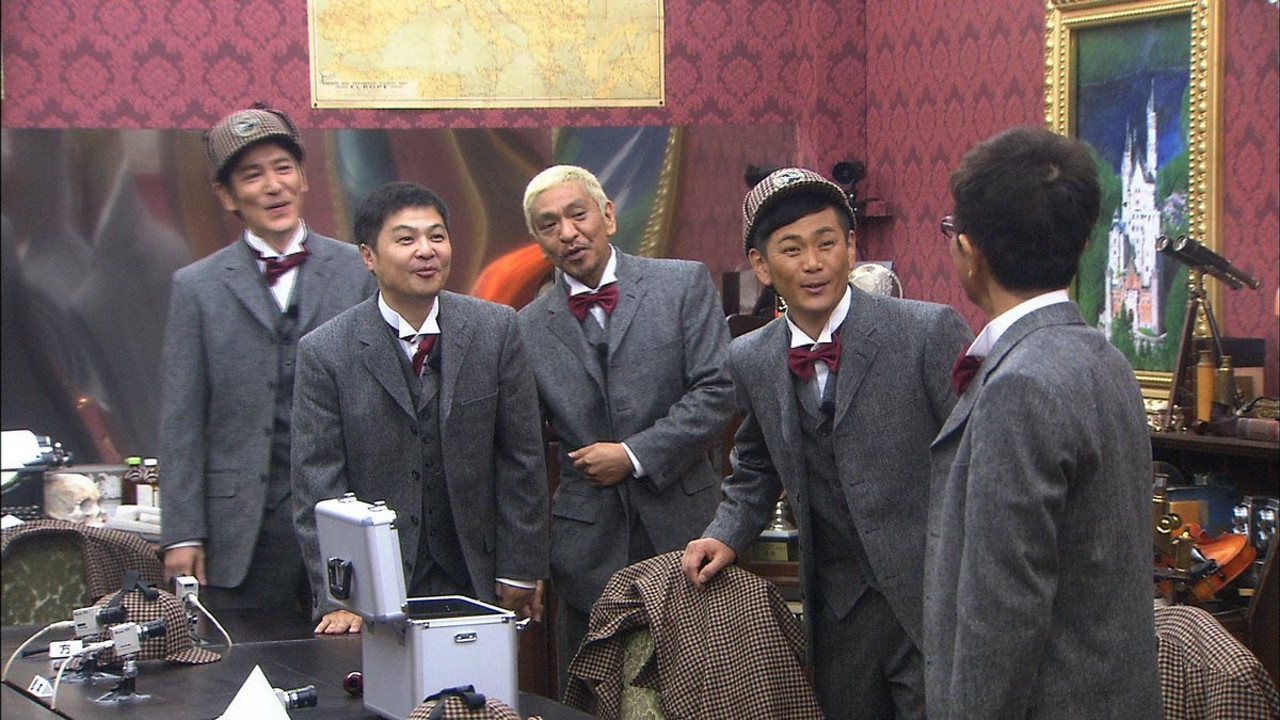
When the episode nears its close, the cameras usually stay on the full ensemble. That visual choice underscores the collective nature of owarai. The show is not about one star; it is about the interplay between Downtown and their fellow comedians. So the "what" of the ending is simply a reunion of personalities.
The Meaning Behind the Ending
Understanding the Downtown no Gaki no Tsukai ya Arahende!! ending meaning requires recognizing the cultural context of owarai. The term refers to Japanese comedic performance, and the show exemplifies it by placing famous duos in humbling situations. The ending, where everyone regroups, signals that the humiliation was communal and affectionate. The bond between Downtown and their co-hosts is the true subject of the closure.
Rather than a winner being crowned, the final minutes suggest that the shared laughter is the reward. This philosophy separates the series from competition-based programs. The Action & Adventure label might hint at physical challenges, but the resolution is always the same: the cast reunites on equal footing. That equality is the quiet message of the finale.
In a broader sense, the ending meaning touches on the Japanese variety show custom of sending viewers home with warmth. The comedy may be abrasive, yet the sign-off repairs any rift. It is a small ritual of social harmony played out on television.
Themes You Might Have Missed
For anyone needing Downtown no Gaki no Tsukai ya Arahende!! explained, the thematic core is the contrast between structured games and unstructured talk. The show imports the variety show tradition from Japanese television, where a host duo anchors a fluid schedule. Underneath the slapstick, there is a steady focus on friendship among comedians.
Another subtle thread is the celebration of failure. Because the ending never crowns a victor, the earlier stumbles become the point. The genre mix of comedy and talk lets the participants analyze why a bit failed, turning awkwardness into content. This meta approach is common in Japanese comedy show formats but can escape foreign audiences. The presence of both Downtown and Cocorico creates a layered mentor-peer dynamic, even if no one explicitly states it.
- The host duo Downtown brings sharp wit to every segment.
- Hōsei Tsukitei, formerly Hōsei Yamasaki, adds a grounded foil.
- Naoki Tanaka and Shozo Endo of Cocorico supply youthful energy.
- The variety show label covers everything from physical stunts to idle chat.
- Japan provides the cultural backdrop for the show's unique humor.
We can also see the theme of performance versus reality. The talk portions strip away the game faces, revealing the genuine camaraderie. That oscillation is the pulse of the program.
Our Take on Downtown no Gaki no Tsukai ya Arahende!!
We find the broadcast a refreshing antidote to tightly plotted series. The absence of a traditional conclusion is its strength. Fans of sketch-driven humor should also explore Comedy Central Presents, which shares a similar stand-up adjacent energy. While the formats differ, both programs thrive on performer personality rather than scripted twists.
The show's endurance speaks to the talents of Masatoshi Hamada and Hitoshi Matsumoto. Their command of timing turns even a simple recap into a comic beat. If you enjoy talk-heavy Japanese productions, you might appreciate Friday Night with Jonathan Ross, a program that likewise blends celebrity chat with light comedy. The cross-cultural link is the host's ability to corral guests into spontaneous moments.
Our overall impression is that this is a tv show best enjoyed without expectations. The comedy show label fits, but the variety show spirit dominates. It is a piece of Japan delivered through laughter.
Downtown no Gaki no Tsukai ya Arahende!! Recap
To summarize, the series is a Japanese variety show built around Downtown and their co-hosts. The final act functions as a pressure release, not a narrative payoff. Before you dive in, you can get a feel for the pacing by looking up a Downtown no Gaki no Tsukai ya Arahende!! trailer, though trailers rarely capture the improvisational spirit. The older variety tradition is also mirrored in The Ed Sullivan Show, where diverse acts followed one another without a connecting plot. Both remind us that television can simply be a stage for talent to interact.
In the end, the program's significance lies in its consistent tone. The genres listed—Action & Adventure, Comedy, Talk—describe a carousel of entertainment that always returns to the same faces. The main cast's chemistry is the through-line. Whether you approach it for the comedy show label or the Japanese cultural experience, the wrap-up will leave you with a smile rather than a solved mystery. That is the quiet genius of this tv show.