Doraemon (1979): The Hit Successor to the 1973 Anime
Doraemon (1979) is the much more successful anime successor to the 1973 series, based on Fujiko F. Fujio's manga.
October 17, 2026
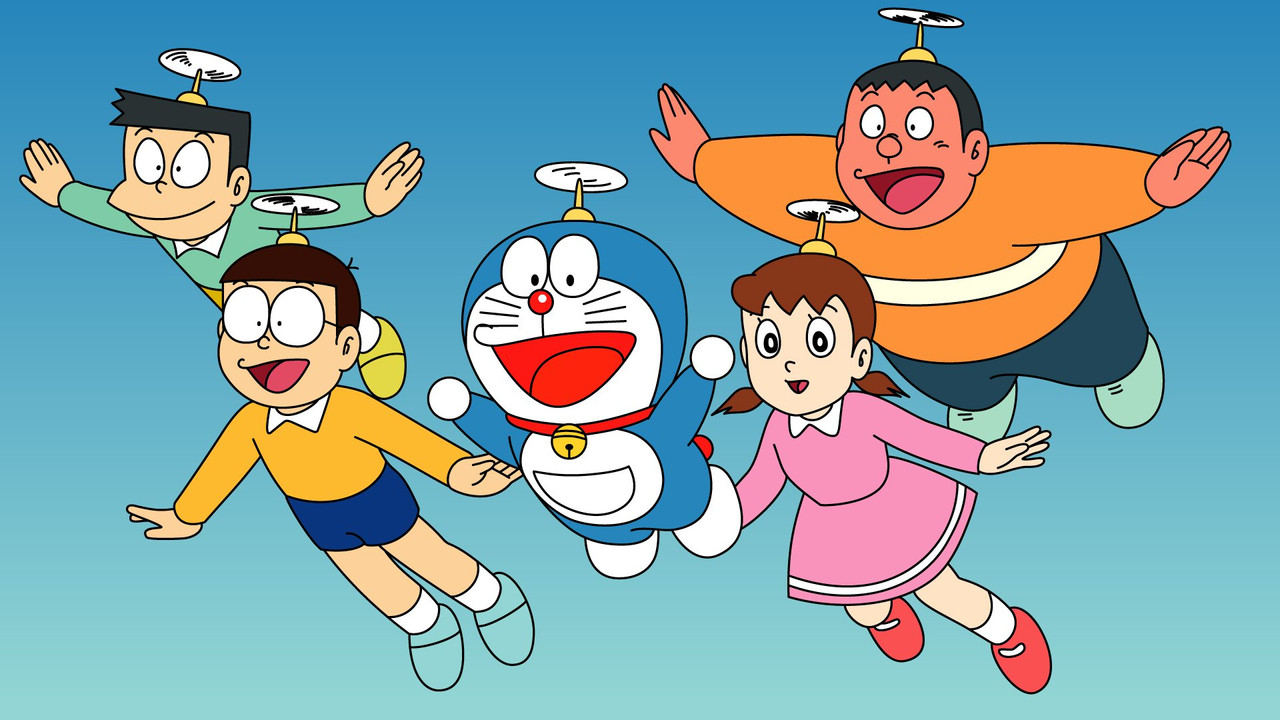
The Ending, Explained
Our Doraemon ending explained discussion begins with a simple promise: we will not reveal the events of the opening chapters. The 1979 animated program, crafted by director Tsutomu Shibayama, stands as the far more successful follow-up to the short-lived 1973 version. Based on the manga by Fujiko F. Fujio, this television series blended action, adventure, comedy, and science fiction into a family-friendly package. When people ask how the show wraps up its legacy, they are really asking about the lasting impression left by a format that prioritized gadget humor and school-day mishaps. The voice cast, including Nobuyo Oyama, Noriko Ohara, Sachiko Chijimatsu, Kaneta Kimotsuki, Michiko Nomura, Keiko Yokozawa, Kazuya Tatekabe, and Rei Sakuma, brought a warmth that carried the routine premises. Because the runtime per episode is not listed, we focus on structural closure rather than minute details. The successor status alone tells us that the ending of this incarnation was satisfying enough to eclipse its predecessor in popularity.
If you enjoy this kind of Japanese animated family comedy, you might also like Crayon Shin-chan among other titles on our site.
Continuing the breakdown, the final stretch of the series reinforces the motifs of time travel and helpful devices without needing a sprawling finale. The rating of 7.7 from 621 votes suggests that audiences appreciated the consistent tone. We can look at the genres to understand why: action and adventure sit beside animation and kids categories, making the show accessible. The ending, therefore, is less a twist and more a celebration of the formula that worked for years.
What Happens
We can summarize what happens at the end of Doraemon without ruining the early episodes for first-time viewers. The Doraemon 1979 anime, as it is often called by fans, maintains its focus on school life enriched by gadget and time travel themes. Throughout the run, the stories rotate around school life, light conflict, and the occasional sci-fi fantasy element. In the later portion, the same patterns appear, confirming that the show trusted its core identity. The cast members listed continue their roles, and the director's vision stays steady. No abrupt genre shift occurs; instead, the familiar comedy and gentle adventure carry through. This is why describing the conclusion feels like describing any chapter, yet the accumulation of moments gives it weight.
Viewers who want another long-running animated adventure may consider Yu-Gi-Oh! Duel Monsters as a companion stream.
The plot summary confirms that this anime is the much more successful successor of the 1973 anime, which means the later ending effectively closed the loop on a previous failed attempt. That context matters because the 1979 version did not need to reinvent the wheel; it needed to deliver the manga's charm reliably. The themes of Japan, gadget use, and time travel remain present. By the final acts, the audience has seen how these pieces interlock within a family setting.
The Meaning Behind the Ending
Understanding Doraemon ending meaning requires patience and a look at the source material. The show is based on manga, and its television run translated those pages into a steady rhythm of comedy and mild fantasy. The meaning behind the conclusion is tied to the everyday school life that anchors the outrageous gadgets. Rather than a dramatic cessation, the ending signals the fulfillment of the program's promise: a reliable, kind, and funny depiction of childhood augmented by imagination. The 7.7 out of 10 score across 621 votes reflects quiet approval rather than frenzy. In a streaming landscape full of one-off shocks, this gentle closure feels intentional. The cast leave behind a template for kids' animation in Japan.
Another title worth a look for ensemble voice work is Star vs. the Forces of Evil on the platform.
The significance of the final act also lies in its confirmation of the series as a successor. By outlasting the 1973 project, the 1979 anime proved that a faithful adaptation of Fujiko F. Fujio's creation could thrive. The ending meaning, then, is about validation of a formula rather than a plot twist.
Themes You Might Have Missed
The broader context of Doraemon explained shows why the constant use of futuristic items matters. Set in Japan, the stories weave gadget comedy through ordinary school days. Time travel is not just a device for spectacle; it reinforces the idea that small changes at home resonate widely. The genres listed—action, adventure, animation, comedy, sci-fi, fantasy, kids, family—paint a picture of intentional breadth. The main cast, featuring Nobuyo Oyama and others, grounds the fantasy with recognizable behavior. Miss these threads and the ending may seem slight, but with them the conclusion reads as a natural sum of many episodes.
Notice how the anime never strays from its manga roots. The steady combination of listed genres suggests a deliberate appeal to family audiences. The rating and vote count suggest a steady fanbase rather than a viral sensation. That steady appeal is itself a theme: consistency wins over flash.
Should You Press Play on Doraemon?
Given its 7.7 rating from 621 votes, the 1979 adaptation remains a solid pick for families browsing a free streaming site. The director Tsutomu Shibayama assembled a cast that includes Noriko Ohara and Kazuya Tatekabe, delivering performances that suit the lighthearted scripts. Because the show is based on a manga and revolves around school life with gadgets, it asks little prior knowledge. New viewers can start at any point, though the ending carries extra resonance for those who have followed the run. If you want an undemanding mix of comedy, sci-fi, and kid-friendly action, this is an easy yes. The absence of a listed runtime per episode suggests flexible viewing, a bonus for casual watching.
Compared to the 1973 anime, this successor clearly earned its audience. The genres cover enough ground to entertain different age groups within a household. So pressing play is low risk and potentially nostalgic for older fans.
Doraemon Overview
To recap, Doraemon (1979) is an anime TV series created by Fujiko F. Fujio and based on the manga of the same name. Directed by Tsutomu Shibayama, it spans action, adventure, animation, comedy, sci-fi, fantasy, kids, and family categories. The main voice actors are Nobuyo Oyama, Noriko Ohara, Sachiko Chijimatsu, Kaneta Kimotsuki, Michiko Nomura, Keiko Yokozawa, Kazuya Tatekabe, and Rei Sakuma. Its plot notes that this is the much more successful successor of the 1973 anime. Themes include Japan, gadget, time travel, based on manga, school life, and anime. With a 7.7/10 from 621 votes, it holds a respected place in animated television history. The ending we discussed underscores the value of a dependable formula rather than shock value. For a free stream night, it offers gentle entertainment with a cultural footprint that still informs newer shows.
Whether you came for the breakdown or the overview, the key takeaway is that the 1979 series turned simple ideas into a lasting legacy. The combination of director, cast, and manga fidelity created a winner.