Doctor Who (1963): A Time Lord's Journey Across the Stars
Doctor Who (1963) follows a time-traveling Time Lord and companions who explore the universe in a blue police box while righting wrongs.
October 18, 2026
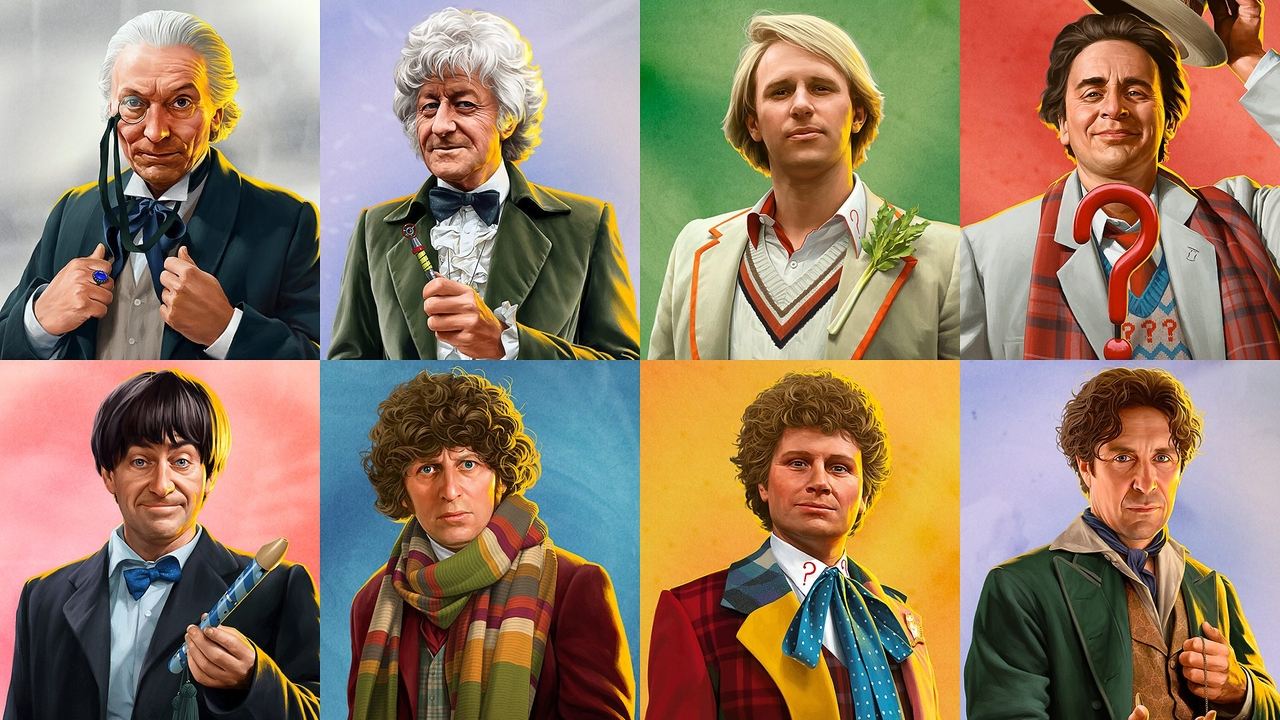
The Ending, Explained
The final serial closes, yet Doctor Who ending explained reveals a continuing journey that respects the viewer's intelligence. The 1963 original series introduces a wanderer from the planet of the Time Lords, a humanoid alien who rides a sentient ship through the cosmos. Because the format is a serial, each tale closes but the journey continues. The blue police box exterior, a familiar sight in Britain when the program launched, becomes a symbol of endless departure rather than arrival. In this breakdown we will look at how the conclusion of any given arc works without revealing the early setup that hooks new viewers. The adventure spans drama, action, and fantasy, yet the through-line is a gentle reminder that leaving one place simply opens another.
The TARDIS is central, and Doctor Who time machine remains a cultural icon that shapes the narrative. Its shape stuck in the form of a 1963 police call box allows the story to plant itself in ordinary streets before leaping to distant stars. When we discuss the closure of the classic run, we must note that the concept of regeneration means an ending for one face is a beginning for another. That cycle keeps the story alive even when a chapter seems to finish. The ship's sentience further complicates any notion of finale, because the vessel remembers every passenger and every corridor inside its impossible dimensions.
What Happens
The story concludes, and what happens Doctor Who ending becomes a new beginning rather than a full stop. To understand this, we need to look at the structure of the program. The Doctor, played in the later classic years by Sylvester McCoy alongside companion Ace portrayed by Sophie Aldred, faces threats that range from interstellar conquerors to local injustices. The mission remains consistent: save civilizations, help ordinary people, and right many wrongs. Rather than a single explosive finale that resolves every thread, the show offers a transitional moment where the Time Lord's essence persists. This approach respects the audience's intelligence and avoids cheap closure. The pacing of the original episodes encourages reflection between chapters, so the concluding beat feels earned rather than rushed.
Throughout the run, the sentient spaceship carries the duo across space and time. They visit points of historical revisionism, where recorded events bend under alien interference, and parallel universes that test the limits of identity. The final act of the original broadcast era emphasizes that the fight against cruelty is never truly over. That is why the question of closure is less about a locked door and more about a rotating key. The companions may step off, but the Doctor continues, embodying the theme of perpetual motion that defines the serial format.
The Meaning Behind the Ending
The Doctor leaves, and Doctor Who ending meaning points to hope sustained by renewal. It speaks to the theme of reincarnation that runs through the series as a central pillar. The Doctor is a Time Lord capable of regeneration, a process that renews the body while preserving the core values of wit and mercy. In a television landscape where heroes often fall permanently, this perpetual renewal suggests a hopeful cosmology. The conclusion of any era therefore carries the weight of transformation rather than death. The blue box may remain on a street corner, but its passenger has already moved toward the next crisis.
Viewers who engage with the text closely will see that the final moments of the classic format invite reflection on humanoid connection across species. The bond between the Doctor and his companions, such as the dynamic with Ace, underscores that leaving is not erasure. The meaning behind the ending is that kindness outlasts embodiments. Even the rating of 7.901 out of 10 from 728 voters hints at a dedicated community that values substance over flash. The show's quiet confidence in its own mythology allows the audience to supply emotional closure.
Themes You Might Have Missed
The show travels, and Doctor Who explained unfolds through its companions and their growth amid strange events. Many newcomers think the series is only about curiosity across time, but the subtler motifs reward closer attention. The serial nature of the show allows space travel and time travel to function as mirrors for social change. Historical revisionism appears when the past is shown as mutable, warning us about the fragility of memory. Parallel universe stories question the uniqueness of our choices. The production's psychotronic texture, born from limited budgets and bold imagination, turns constraints into signature style.
Another overlooked idea is the humanoid nature of the alien protagonist. Although the Doctor is not human, his form invites empathy and complicates the idea of otherness. Reincarnation and regeneration are not just plot devices; they are commentaries on adaptation and survival. The theme of space adventure is tempered by intimate moments of care for ordinary people. Even the rating of 7.901 across 728 votes reflects a cult affection rather than mainstream saturation. The show asks us to consider that saving one person can be as vital as defeating a galactic threat.
Is Doctor Who Worth Your Time?
For those browsing a free streaming site, the 1963 original offers a different rhythm than modern television. The Adventure, Drama, and Sci-Fi blend yields episodes that prioritize ideas over spectacle. With a community score of 7.901 across 728 votes, it holds a steady reputation among dedicated fans. If you appreciate stories where the hero relies on intelligence rather than force, this program deserves a seat on your list. The open structure means you can sample a serial without committing to the whole archive. The absence of a strict continuous plot makes it forgiving for latecomers.
Fans of thoughtful science fiction may also enjoy Star Trek: Strange New Worlds (2022), which similarly balances exploration with character growth. The lineage of optimistic space adventure connects these works across decades. While the visual language differs, the core respect for curiosity unites them. Spending time with either show rewards patience and attention.
Doctor Who Highlights
Several elements stand out for first-time viewers approaching the classic era. The conception of a sentient time-traveling spaceship that appears as a blue British police box remains one of the most iconic images in genre history. The recurring theme of regeneration ensures that the narrative never grows stale, even when actors change. The partnership between Sylvester McCoy's Doctor and Sophie Aldred's companion provides a warm emotional anchor amid cosmic scale.
If the original sparks your interest, you might continue with Doctor Who (2005) to see how the concept evolved with new technology. Likewise, Caprica (2010) explores humanoid machine boundaries in a separate mythology, offering a complementary meditation on identity. Both are available on our platform for free viewing. The links between these series illustrate that time travel and reincarnation are enduring fascinations.
- Time-traveling humanoid alien known as a Time Lord
- Sentient TARDIS with police box exterior
- Serial format that embraces regeneration
- Themes of parallel universe and historical revisionism
- Cast featuring Sylvester McCoy and Sophie Aldred
- Steady rating of 7.901 from 728 votes
Overall, the 1963 series rewards patience with a rich tapestry of space adventure. Its ending, properly understood, is not an exit but an invitation to keep watching the stars. The Doctor's journey reminds us that every conclusion is merely a threshold, and the TARDIS will always be ready to dematerialize toward the next act of mercy.