Die Rosenheim-Cops (2002): Murder and Beer in Upper Bavaria
Die Rosenheim-Cops (2002) is a crime comedy where inspectors solve murders amid Bavarian landscapes, villas, and beer.
October 23, 2026
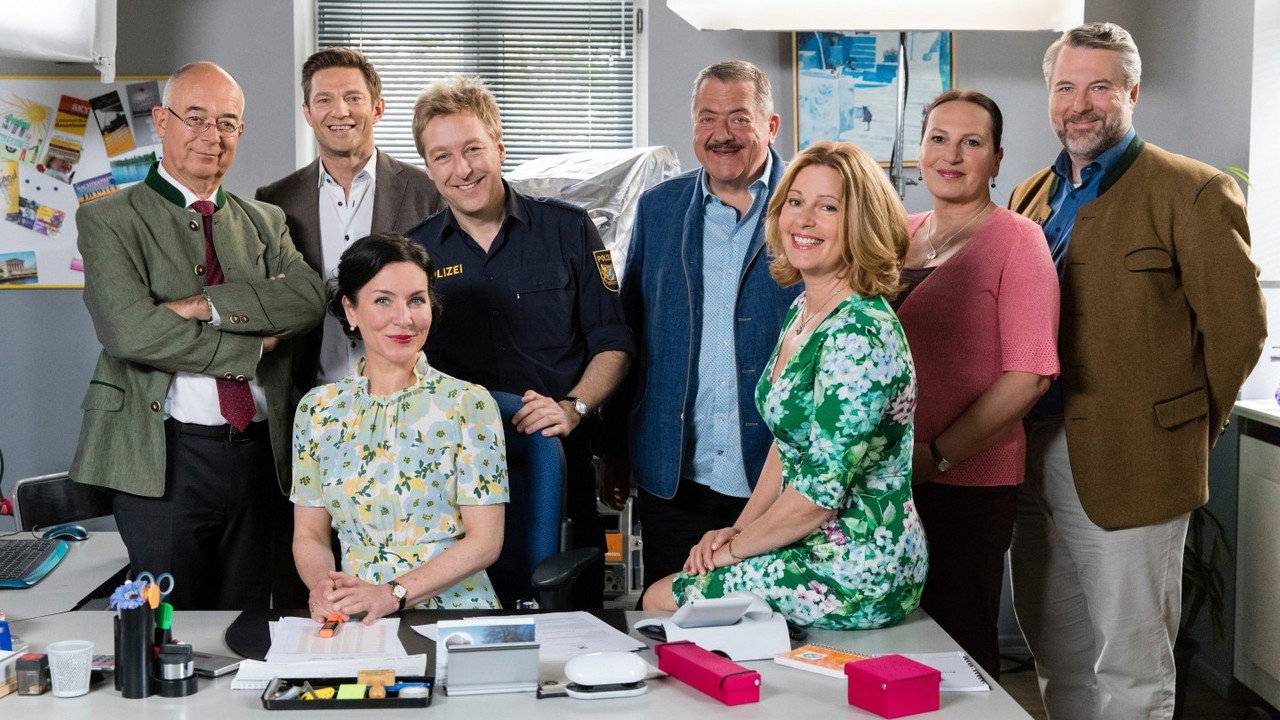
The Ending, Explained
The Bavarian setting of Rosenheim gives a soft backdrop to serious work. A team of inspectors, including Max Müller and Karin Thaler, handles murders in and around the small Upper Bavarian town. The phrase Die Rosenheim-Cops explained fits a format where the police never lose their sense of home. While we will not reveal the events of the opening minutes, it is fair to say that the closing scenes return to the rhythms of daily life. The show belongs to the crime comedy genre, and its final act often underscores why viewers feel safe rather than shaken.
Max Müller and Karin Thaler anchor the team with a relaxed authority. Their presence in the small Upper Bavarian town of Rosenheim means that even when murders occur, the response is measured. The inspectors investigate yet still find time to enjoy sumptuous Bavarian fare with beer, which speaks to the show's calming rhythm.
Understanding the conclusion requires looking at how the group operates. They investigate killings, yet they still have plenty of time to see idyllic landscapes and luxurious pre-alpine villas and enjoy sumptuous Bavarian fare with beer. That balance is the core of the experience. The term Die Rosenheim-Cops ending explained points to a resolution that leaves the community intact. There is no grim downturn, only the quiet assurance that the inspectors have done their job.
Many streaming visitors ask for a breakdown that respects the early mystery. We can provide that by focusing on the later portions. The concept Die Rosenheim-Cops ending meaning points to comfort found in routine police work. When the case closes, the characters gather as they always do, suggesting that the bad events are contained by tradition and friendship.
What Happens
In the latter part of a typical story, the inspectors piece together the truth behind the murder. Max Müller and Karin Thaler move through elegant houses and green hills, questioning locals without hurry. The question Die Rosenheim-Cops ending what happens is answered by a calm gathering where the solution is shared over food. No first-act twist is spoiled here, because the interest lies in how the team reaches the table, not in who struck first.
The final sequence usually shows the small Upper Bavarian town returning to its postcard state. Landscapes and villas frame the closure. The label Die Rosenheim-Cops crime comedy describes the mix well, since the grim subject of homicide is wrapped in warm social moments. Beer and Bavarian dishes become symbols of a restored order.
Viewers who enjoy this style might also appreciate Polizeiruf 110, a long-standing police program with its own regional flavor.
The Meaning Behind the Ending
The last scenes carry a message about stability. A rating of 6.2 out of 10 from a small pool of twenty-nine votes indicates a niche but steady appeal. The ending meaning rests on the idea that police work, though dealing with death, can be comforting. The team’s ability to enjoy sumptuous fare after a case shows that evil is an interruption, not a defeat.
We see the inspectors as guardians of a lifestyle. Their presence in Rosenheim and the surrounding area means that even luxury villas and quiet trails remain safe. The phrase Die Rosenheim-Cops ending explained sums up our approach to the finale: it is less a puzzle box and more a lullaby. The closing act tells the audience that the Bavarian way continues.
The twenty-nine voters who gave the 6.2 rating likely appreciated this gentle formula. A crime comedy that does not overwhelm its audience is a specific taste, and the number shows a small but real following.
For a different regional crime mood, consider Hinterland, which trades beer gardens for brooding coastlines.
Themes You Might Have Missed
Beyond the obvious comedy of situations, the series quietly celebrates police as a comforting force. The keyword from the data, police, is not just a job title but a thematic anchor. The inspectors represent continuity. Another subtle thread is the comfort of food and place. They eat well, they travel scenic routes, and they treat murder as a problem to be solved before dinner.
The pre-alpine villas are not mere set dressing; they signal wealth touched by crime yet protected by routine. The idyllic landscapes remind us that nature stays neutral. In this light, the show’s gentle humor is a shield against despair. The term Die Rosenheim-Cops explained can also refer to noticing these background notes.
If you want a lighter ensemble dynamic, The Unicorn offers comedy around everyday life rather than detective work.
Die Rosenheim-Cops: The Bottom Line
This 2002 entry in the crime comedy space delivers exactly what its plot summary promises. A team of inspectors investigates murders in and around the small Upper Bavarian town of Rosenheim, and they still have plenty of time to see idyllic landscapes and luxurious pre-alpine villas and enjoy sumptuous Bavarian fare with beer. The cast, headed by Max Müller and Karin Thaler, keeps the tone inviting. The final act reinforces the comforting identity rather than subverting it.
While the score of 6.2 from twenty-nine votes suggests modest reach, the format has a clear target: viewers who like police stories without harsh edges. The ending, as we noted, is a return to normal. That is why a breakdown article should emphasize the later chapters and ignore the early shock. The resolution is the point.
Die Rosenheim-Cops Essentials
Title: Die Rosenheim-Cops (2002). Genres: Crime, Comedy. Main cast: Max Müller, Karin Thaler. Rating: 6.2/10 (29 votes). Themes: police, comforting. Setting: small Upper Bavarian town of Rosenheim with pre-alpine villas and idyllic landscapes. The plot summary states that inspectors investigate murders yet enjoy Bavarian fare with beer.
When you search for Die Rosenheim-Cops crime comedy, you will find that the essence is exactly this blend. The show does not pretend to be gritty; it wears its warmth openly. The final act’s meaning is tied to the reassurance that the police are competent and the beer is cold.
Each of these angles shows why the series remains a gentle watch for those who like police stories with a comforting edge.