Die Harald Schmidt Show (1995): How It Moved to Sky Deutschland
A concise look at how Die Harald Schmidt Show (1995) transitioned across networks to Sky Deutschland after its original Sat.1 run.
October 21, 2026
The Ending, Explained
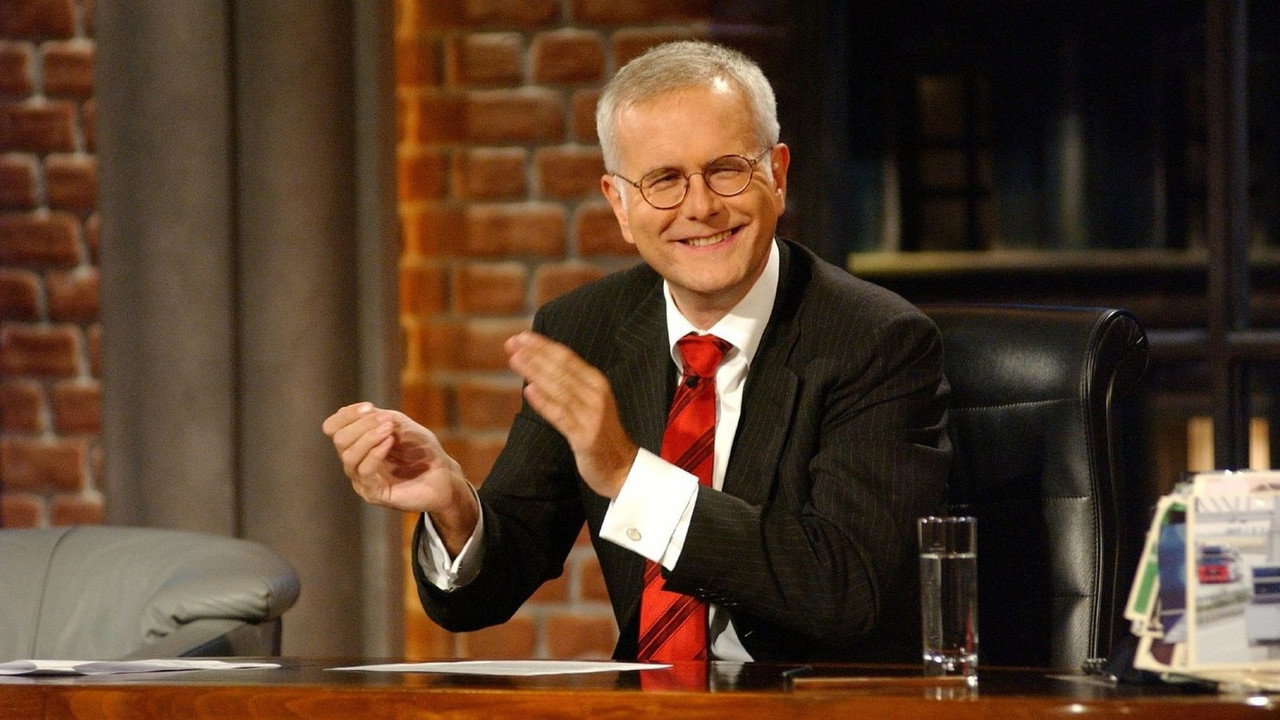
When a long-running program shifts platforms, viewers often seek the Die Harald Schmidt Show ending explained breakdown that maps the final moves. This German late-night reality talk show, hosted by comedian Harald Schmidt, did not close with a single broadcast curtain call. Instead, its conclusion arrived through a series of network changes that ultimately placed it on Sky Deutschland. The original run on Sat.1 stretched from 5 December 1995 to 23 December 2003, but that was only the first chapter. The true ending for the title as fans recognize it came when the show resumed on a pay channel in September 2012 after a cancellation elsewhere.
Platform migrations are common in television, and if you enjoy watching how automotive hobbies translate to series, you might appreciate Counting Cars, which also built a loyal following through repeated seasons.
The later Sky Deutschland episodes feature the same core presence of Harald Schmidt alongside Manuel Andrack and Helmut Zerlett. Understanding this final phase means recognizing that the show's format stayed anchored in spontaneous conversation rather than scripted narrative. The rating of 7.4 from twenty-one votes indicates a small but satisfied audience that stayed until the last installment.
What Happens
The middle timeline of the program includes a rebrand under different names on Das Erste, yet a Die Harald Schmidt Show end happens situation is best marked by the 2011 cancellation on Sat.1 and the subsequent move. Schmidt had returned to Sat.1 on 13 September 2011, but when that stint ended, the production did not vanish. Instead, September 2012 saw the talk format continue on Sky Deutschland, effectively writing the last page of the show's multi-decade existence.
For those who prefer timed competition formats, The Price Is Right remains a classic example of scheduled entertainment that contrasts with the loose rhythm of a late-night desk.
During this final act, the ensemble kept its identity. Manuel Andrack and Helmut Zerlett remained part of the regular lineup, ensuring that the musical and comedic beats matched earlier iterations. The absence of a traditional plot means the "what happens" is less about twist and more about transition.
The Meaning Behind the Ending
Our Die Harald Schmidt Show ending meaning review requires seeing the finale not as a scripted twist but as a statement about adaptability. The comedian's journey from Sat.1 to Das Erste, back to Sat.1, and finally to Sky Deutschland illustrates how a host can outlast the limits of any single broadcaster. The modest rating of 7.4 across twenty-one votes reflects a niche but dedicated following that valued unscripted banter over mass appeal.
If you want a different kind of reality challenge, Beat Bobby Flay delivers a structured contest environment that highlights another side of the genre.
The significance of the final Sky episodes lies in their function as a coda. Rather than rebooting with new faces, the show preserved its original comedian and supporting cast. This choice tells viewers that the ending was about continuity, not reinvention. The late-night talk show as a reality entry proves that endurance is itself a theme.
Themes You Might Have Missed
This Die Harald Schmidt Show explained guide reveals recurring motifs of late-night intimacy and musical interludes provided by Helmut Zerlett. Because the program is classified as reality, the lack of a narrative arc places emphasis on host-guest dynamics and the spontaneity of live performance. Themes include the resilience of format and the blend of comedy with instrumental segments.
- Adaptation across multiple networks without losing tone
- Consistency of core cast members such as Manuel Andrack
- Musical continuity as a quiet structural anchor
The Die Harald Schmidt Show finale explained perspective shows that the final Sky episodes serve as a coda rather than a reset. This viewpoint indicates that the production team prioritized familiarity over novelty, a subtle message that audiences could still find the same humor they trusted from 1995 onward.
Additional layers appear in the way the show treated time. The first broadcast block ended in 2003, yet the title resurfaced, suggesting that endings in television are rarely absolute. Themes of return and persistence weave through the entire chronology.
Is Die Harald Schmidt Show Worth Your Time?
With a runtime that spanned decades in various forms, the program suits viewers who like conversational German comedy and light musical accompaniment. The 7.4 score suggests moderate acclaim rather than universal praise. If you prefer tightly edited reality competitions, the talk show might feel loose, but the ending's significance rewards patient viewers who enjoy watching a format survive changes.
The presence of Harald Schmidt as both host and central comedian gives the series a consistent voice. Manuel Andrack and Helmut Zerlett round out a small ensemble that never needed a large cast to create engagement. For a free streaming blog audience, the show represents an accessible piece of European late-night history.
Die Harald Schmidt Show in Short
In brief, the platform shifts of the show illustrate a career built on flexibility. The program first aired in 1995 on Sat.1, moved to Das Erste under different banners, returned in 2011, and then settled on Sky Deutschland in 2012. Manuel Andrack and Harald Schmidt anchored the chaos, while Helmut Zerlett supplied the score. Viewing the final move as a study of television survival makes more sense than expecting a conventional closed story.
Viewers who discover the series on a streaming library should note that the final episodes are not a separate spin-off but the same program with a new distributor. The rating of 7.4 from twenty-one votes may seem small, yet it captures the sentiment of those who followed the journey. Ultimately, the show's end is less a finale and more a relocation, which is precisely what makes its breakdown interesting.