Diagnosis: Murder (1993): How a Physician Solves Murders
Dr. Mark Sloan is a good-natured, offbeat physician who is called upon to solve murders in the 1993 film Diagnosis: Murder.
October 23, 2026
The Ending, Explained
When a story centers on a good-natured, offbeat physician who gets called upon to solve murders, the audience naturally wonders how the case finally closes. The 1993 production Diagnosis: Murder blends drama, family, mystery, and crime into a tidy package that has earned a 7.1 out of 10 rating from 128 voters. We shared the article Diagnosis: Murder ending explained yesterday, but in this piece we keep the early setup under wraps and look only at the final act.
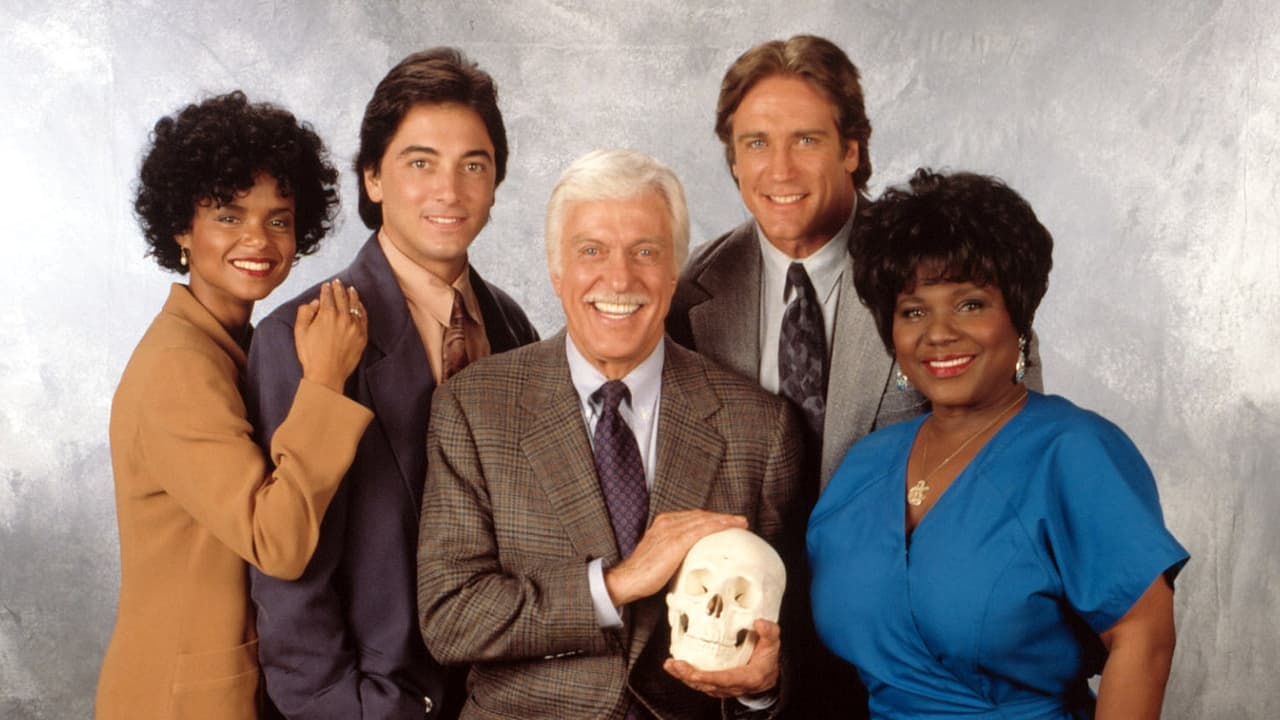
Dr. Mark Sloan, played by Dick Van Dyke, is not a typical detective. He is a doctor who becomes a criminal consultant when local police need his insight. The tagline promises a tangled web of mystery and classic whodunit suspense, and the conclusion delivers on that promise without tipping its hand in the opening minutes. Victoria Rowell, Charlie Schlatter, and Barry Van Dyke round out the main cast, giving the story a warm ensemble feel that suits the family genre tag.
The structure of the narrative respects the viewer. By withholding the mechanics of the first act from this discussion, we allow newcomers to experience the discovery process fresh. What we can say is that the finale is built on the protagonist’s medical training, a resource that proves decisive when conventional methods stall. The modest vote count of 128 suggests a niche but devoted audience that values this gentle approach to suspense.
What Happens
In the last stretch of the story, the focus shifts to how Sloan applies medical knowledge to unravel the crime. Fans often discuss the question what happens at the end of Diagnosis: Murder in forums, because the resolution relies on his unique perspective rather than a standard police procedure. Working alongside a homicide detective and other officers, the physician turns clues from the body and the scene into a clear path toward the guilty party.
The final act also highlights the parent child relationship that runs through the narrative. Barry Van Dyke’s presence in the cast underscores this bond, showing how personal connections inform the investigation. While we will not detail the first act, it is safe to say that the closing scenes bring the tangled web to a satisfying knot, true to the classic whodunit suspense advertised.
Without crossing into early plot points, we can note that the police and the doctor form a partnership that defines the ending. The criminal consultant role is not a gimmick; it is the engine of the conclusion. By the final frame, the viewer understands who committed the act and why the physician’s eye made the difference. The homicide detective functions as a bridge between the lab and the street, allowing the good-natured doctor to shine where others might miss the signs.
The Meaning Behind the Ending
Beyond the simple capture of a culprit, the conclusion carries thematic weight. We explore the theme Diagnosis: Murder ending meaning in this section, noting that the film uses its finale to affirm the value of an outsider’s insight. A doctor stepping into criminal consultation suggests that healing and justice can share the same toolbox.
The rating of 7.1 out of 10 across 128 votes indicates that viewers appreciate this gentle blend of genres. The ending meaning rests on the idea that a good-natured approach can cut through deception. Mark Sloan’s offbeat manner is not just comic relief; it is the lens that makes the final revelation land. In a whodunit, the last act is traditionally about unveiling, but here it also celebrates the collaborative spirit between professions.
There is also a quiet statement about family. The parent child relationship woven into the cast dynamic implies that trust at home mirrors trust in solving the case. That parallel gives the last scenes a warmth that pure procedural stories often lack. The finale does not rush; it lets the emotional payoff sit beside the intellectual one, which is rare for a crime entry of its era.
Themes You Might Have Missed
Because the story wears its mystery on its sleeve, some quieter motifs escape notice. The keywords attached to the title include police, doctor, homicide detective, criminal consultant, and parent child relationship. Our breakdown offers the subject Diagnosis: Murder explained as a way to revisit those layers without spoiling the early setup.
Notice how the police are not portrayed as incompetent but as collaborative partners. The doctor’s role as criminal consultant elevates the professional respect between fields. Additionally, the parent child relationship adds emotional stakes that distinguish the family genre marker from mere background flavor. These threads tighten in the finale, rewarding attentive viewers who track the small gestures between characters.
Another subtle current is the balance of drama and crime. The drama tag is not there for heavy angst but for character beats that make the suspense matter. When the physician succeeds, it feels like a personal victory, not just a box checked on a case file. The offbeat nature of Sloan means the drama springs from personality clashes and quiet mentorship rather than grim confrontations.
Our Take on Diagnosis: Murder
For a free streaming blog audience, this 1993 entry is a pleasant diversion. We avoid the label Diagnosis: Murder spoilers in our recommendations, yet we can say the final act respects your intelligence. The combination of Dick Van Dyke’s charm and a structured mystery makes the 7.1 score feel earned rather than inflated. It is the kind of title you can watch with relatives without fearing graphic content, thanks to the family genre marker.
If you enjoy this brand of reasoned suspense, you may also want to visit McMillan & Wife, a predecessor that leans on a similar husband-wife investigative dynamic. Another fitting pick is Dragnet, which strips the format to procedural basics for contrast. Finally, The Five explores a modern missing-person puzzle that shares the criminal consultant spirit.
The show’s tagline, a tangled web of mystery, classic whodunit suspense, is more than marketing. It is a promise kept by the final act. We recommend it to viewers who like their crimes solved with a smile and a stethoscope, and who appreciate a conclusion that honors both logic and loyalty.
Diagnosis: Murder FAQ
Below are common questions about the title, answered using only the available facts. The runtime is not listed, and the director credit is not provided in the source data. The genres are drama, family, mystery, and crime, which explains its cross-generational appeal and its comfortable placement on a free streaming blog.
Who stars in it? The main cast includes Dick Van Dyke, Victoria Rowell, Charlie Schlatter, and Barry Van Dyke. What is the premise? Dr. Mark Sloan is a good-natured, offbeat physician who is called upon to solve murders. The tagline sums it up: a tangled web of mystery and classic whodunit suspense. These details are the only ones confirmed by the source material.
Is it a standalone film or series? The 1993 date and vote count suggest a singular released item rather than a long run, but the structure feels like a pilot for a comfortable franchise. The rating of 7.1 from 128 votes shows a small but satisfied crowd that enjoys the mixture of medicine and detection.
Why does the ending matter? Because it validates the criminal consultant idea and pays off the parent child relationship hinted in the cast. For those mapping the story, the final act is where the tangled web finally loosens. The resolution leaves the viewer with the sense that a doctor’s curiosity is as powerful as a badge, and that a family bond can be the unnoticed clue behind a successful case.