Dexter's Laboratory (1996): Why the Loop Never Breaks
Dexter's Laboratory never had a tidy finale, and that's the point: the show runs on a loop where Dee Dee always gets in.
November 12, 2026
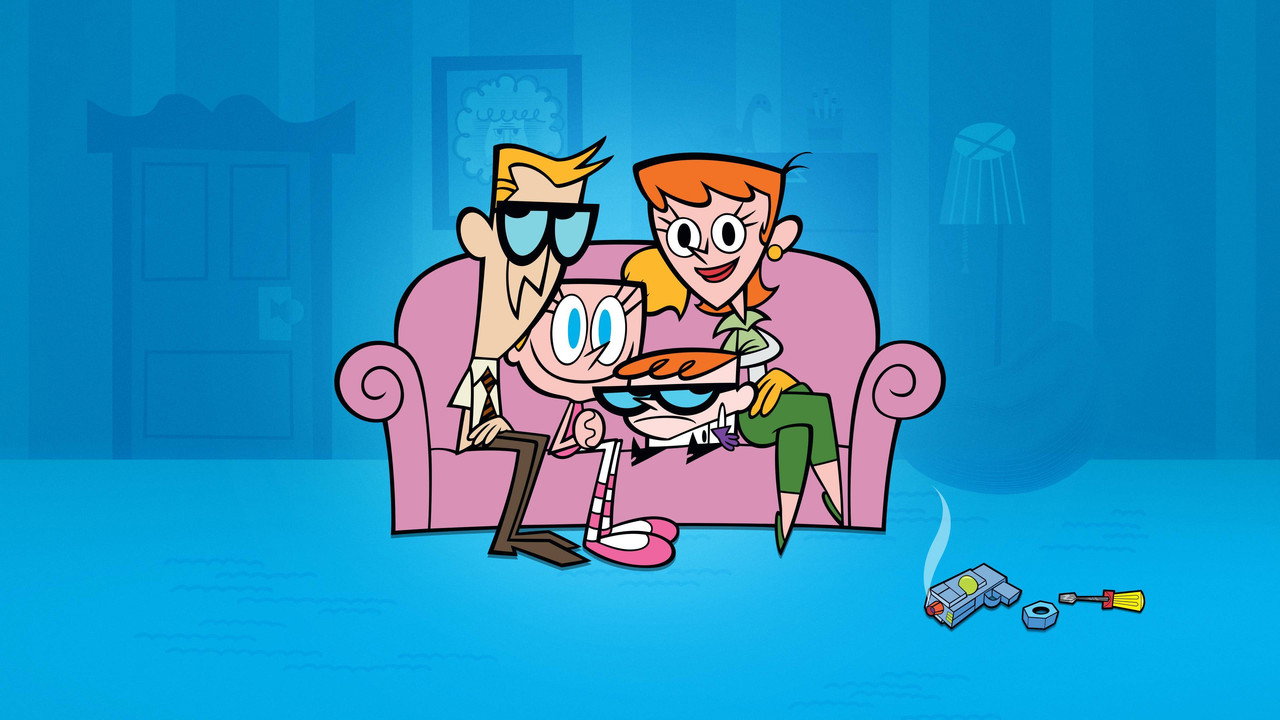
The Ending, Explained
Dexter's Laboratory never had a single, tidy finale that wrapped up every thread, so anyone searching for the Dexter's Laboratory ending explained should know up front that the show runs on a loop rather than a finish line. The series closes on the same comic rhythm it opens with: a brilliant kid in a hidden lab, a sister who strolls through every deadbolt, and a rival next door who can never quite win. That means the ending isn't a plot twist you have to decode. It's a statement about how these characters work and why the pattern never breaks.
For viewers who want the Dexter's Laboratory explained in plain terms, the short version is this: the conclusion matters less for what it resolves and more for what it confirms. Dexter stays the same obsessive scientist. Dee Dee stays the cheerful intruder. Mandark stays the frustrated challenger. The finale hands each of them one last spin in their familiar roles, then lets the curtain fall without pretending anything has fundamentally changed.
What Happens
By the time the series reaches its closing stretch, the formula is well worn. Dexter builds something ambitious in his secret laboratory, guards the entrance with elaborate traps, and Dee Dee defeats all of it by simply wandering in. Mandark lurks nearby, scheming to humiliate Dexter or steal his work, and the plan usually backfires in a way that leaves both boys worse off than when they started. The final episodes follow this same structure rather than reaching for a grand, multi-part conclusion.
That choice is deliberate. If you want to know what happens at the end of Dexter's Laboratory, the honest answer is that the show ends the way it lived — on a single self-contained gag, with the household order restored and the lab door shutting once again. There's no time jump, no farewell speech, and no permanent shake-up to the sibling dynamic. The characters return to their starting positions, ready for another episode that never comes.
Fans of animated sibling warfare often find themselves drawn to Johnny Test, which runs on a very similar engine of chaos and family friction, and to Kid vs. Kat, where the household rivalry takes an even wilder turn.
The Meaning Behind the Ending
The Dexter's Laboratory ending meaning sits in the show's refusal to grow up alongside its hero. Dexter has the intellect of a seasoned researcher but the emotional range of a kid who cannot share his toys. The finale underlines that gap by letting him win the battle and lose the war in the same breath. He protects the lab, and then he doesn't. He outsmarts Mandark, and then the plan collapses anyway. The point isn't failure — it's that genius without maturity keeps producing the same result.
Reading the Dexter's Laboratory finale ending as a comment on family is fairer than treating it as a puzzle. Dee Dee isn't really an antagonist, even though Dexter treats her like one. She's the counterweight that keeps him from vanishing into his own machinery. Every time she breezes past his defenses, the show argues that closeness cannot be engineered or locked out. The end reinforces that idea: the person Dexter most wants to exclude is the one who keeps him human.
Mandark carries a related lesson. He's presented as Dexter's mirror — equally gifted, equally determined, but consumed by comparison. Their rivalry outlasts every invention, which suggests the contest itself is the reward. The closing episodes leave that tension intact, because resolving it would kill the engine driving the whole series.
Themes You Might Have Missed
- Family beats genius. The lab is impressive, but the family relationships are what actually shape the story. Dexter's greatest rival is the person he can neither expel nor replace.
- Sibling rivalry as love. Dexter and Dee Dee clash constantly, yet neither wants the other gone. The conflict is the bond, dressed up as warfare.
- The limits of control. Every security system fails eventually. The show treats over-planning as a kind of comedy rather than a virtue.
- Comparison poisons talent. Mandark's abilities are never in question — his need to beat Dexter is what keeps him stuck.
- Childhood doesn't resolve. The lack of a clean finale mirrors real growing up, where patterns repeat long before anyone outgrows them.
For a gentler take on the sibling-rivalry formula, Dave the Barbarian trades the laboratory for a fantasy kingdom while keeping the same affectionate family chaos at its center.
Our Rating for Dexter's Laboratory
We land at a solid 7.6 out of 10, matching the general audience score the series has carried for years. The animation is inventive, the voice work is sharp, and the central joke holds up across a long run. It loses a little ground for leaning on repetition and for never building toward anything larger than the next gag. Still, as a portrait of a boy genius locked in permanent conflict with his sister and his neighbor, it earns its place. Viewers who want a clean resolution may walk away restless; viewers who enjoy the rhythm will find plenty to return to.
Dexter's Laboratory At a Glance
- Title: Dexter's Laboratory (1996)
- Genres: Animation, Comedy, Sci-Fi & Fantasy
- Rating: 7.663/10 from roughly 930 votes
- Main cast: Candi Milo, Kat Cressida, Jeff Bennett, Kath Soucie
- Tagline: He skips grades. She just skips.
- Core premise: A boy scientist defends his secret lab from his sister Dee Dee and his rival Mandark.
- Key themes: villainy, home, robots, science, family, sibling rivalry
The show's legacy rests on the fact that it never needed a bombshell ending. It needed a boy, a laboratory, and a sister who could walk through walls. That's what the final act delivers, and that's why the pattern still echoes in cartoons that came after — including Still Standing, which mines the same domestic friction from a live-action angle.