DC's Legends of Tomorrow (2016): How a Rogue Built a Team
Rip Hunter gathers heroes and villains to stop an immortal threat to all of time itself.
October 27, 2026
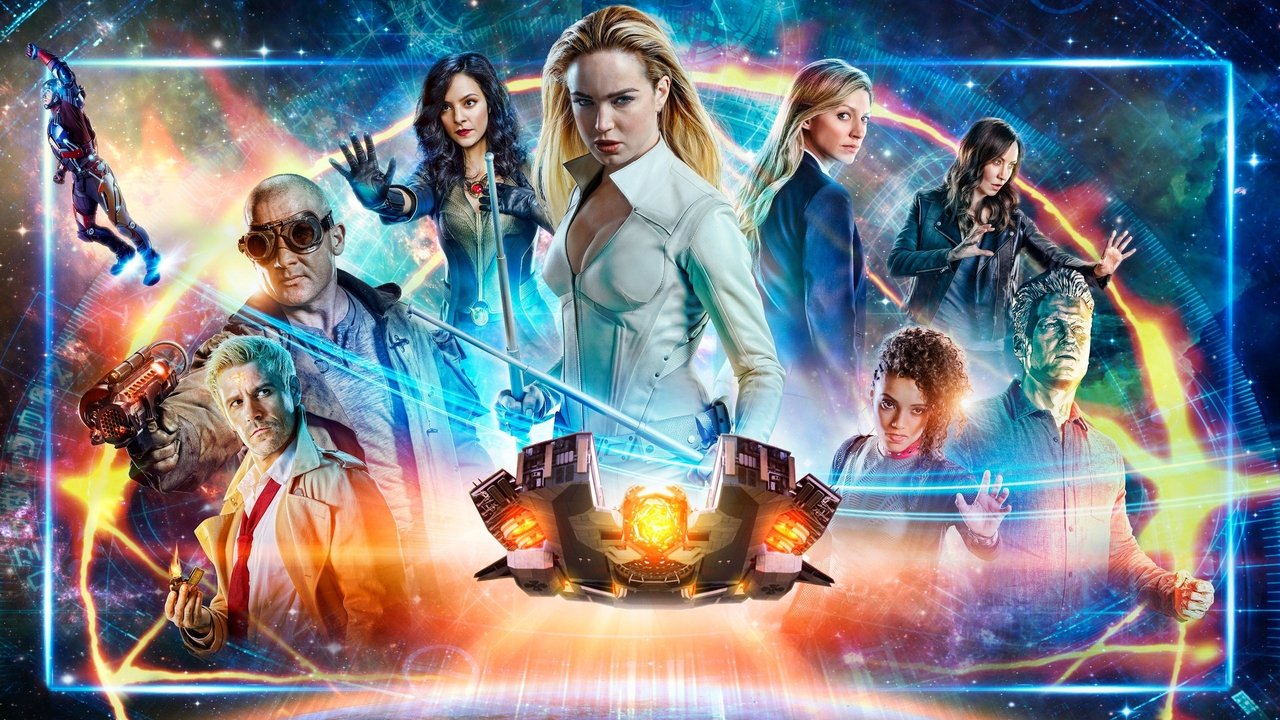
The Ending, Explained
For viewers who want closure without a rewatch, DC's Legends of Tomorrow ending explained comes down to how a broken superhero team learns that saving time is less about winning fights and more about accepting each other. The series builds its closing stretch around a threat that puts the whole timeline at risk, and the solution is not a bigger weapon but a stranger kind of unity.
The show began with a serious tone and a time-traveling rogue named Rip Hunter pulling together heroes and villains who barely trust one another. Over later seasons it shifted into a lighter, joke-heavy mood, which makes the finale feel earned rather than forced. If you enjoyed the offbeat teamwork in Titans, you will recognize the same idea of outsiders becoming a family.
What Happens
To understand DC's Legends of Tomorrow explained, start from the premise that one person saw a future he desperately wanted to prevent. Rip Hunter assembles a mismatched crew because ordinary heroes are not enough when all of time itself is in danger. The enemy is effectively immortal, so the team cannot simply defeat it the way a standard superhero story might.
In the final episode, the ragtag group faces the kind of ending where the planet and the timeline are both on the line. What happens at the end of DC's Legends of Tomorrow is that the legends stop trying to control history and instead choose to protect the messy, human version of it. Some characters leave, others step up, and the team's survival matters more than any single victory.
This is a spin off from the larger Arrowverse, and it keeps the door open for imagination rather than tying every thread. The closing act respects the audience by letting the characters grow instead of simply resetting them for another season.
The Meaning Behind the Ending
The DC's Legends of Tomorrow ending meaning is tied to the idea that a villain is sometimes a reflection of the hero who refuses to change. The immortal threat is less a monster than a consequence of refusing to accept time's flow. When the team stops fighting the inevitable and starts guarding what makes each era worth keeping, they become legends in the truest sense.
Another layer is found in how the finale treats sacrifice. Nobody gets a clean reward, yet the group's bond is the real prize. For a based on comic property, that is a quietly mature message: being a superhero team is not about powers but about showing up for people who are nothing like you.
Viewers who like this tone can also try Marvel's Daredevil, where a lone hero carries a similar weight without the time travel trappings.
Themes You Might Have Missed
Time travel here is not just a device; it is a comment on regret. Each character carries a moment they wish they could rewrite, and the show suggests that the attempt to erase mistakes is itself the danger. The series also plays with the line between hero and villain, asking whether a person labeled bad can still choose good when the clock is running out.
A smaller theme is legacy. As new faces join and old ones exit, the team proves a superhero identity can be shared rather than owned. That keeps the story fresh across its run and stops it from feeling like a repeat of earlier Arrowverse entries.
The humor is easy to dismiss, but it hides a thesis: when the world is ending, laughter is a form of resistance. The silly missions are the show's way of saying hope does not have to be solemn to be real.
Is DC's Legends of Tomorrow Worth Your Time?
With a rating of 7.2 from over two thousand votes, the series clearly connected with a loyal audience. It is worth the watch if you like a superhero team that argues as much as it saves people. The early episodes are darker, while the later ones embrace absurdity, so your enjoyment depends on tolerating that shift.
The cast includes Caity Lotz, Tala Ashe, Jes Macallan, Olivia Swann, Adam Tsekhman, Nick Zano, Shayan Sobhian, and Lisseth Chavez, and each brings a distinct energy to the ensemble. If you start the show expecting strict comics accuracy, you may bristle; if you want characters who evolve, you will likely stay.
For a different corner of the genre, Gotham Knights offers younger heroes dealing with the fallout of an older generation's choices, which rhymes with the legends' own mission.
DC's Legends of Tomorrow Essentials
The tagline "A roaring rewind" captures the loop of mistakes and second chances that defines the plot. At its core, the story asks what a group of rejects can do when heroes alone are not enough and the world needs legends instead.
The DC's Legends of Tomorrow final episode explained shows the team choosing connection over control. That choice is the essence of the series: a villain can be beaten, but a timeline can only be protected by people willing to stay in it together.
Genres listed for the show are Action & Adventure, Sci-Fi & Fantasy, and Drama, and that mix is visible in every season. Whether you arrive for the time travel or the joke-filled heists, the ending rewards the patience of anyone who stuck with the weird ride.