Dark Shadows (1966): The Vampire That Saved a Fading Serial
Dark Shadows (1966) transformed daytime TV with ghosts and vampire Barnabas Collins before the article unpacks its ending.
October 22, 2026
The Ending, Explained
When a daytime serial runs for nearly five years, the conclusion carries the weight of hundreds of episodes and the expectations of a dedicated afternoon audience. The final chapter of this gothic soap, Dark Shadows ending explained, centers on the exhausted inhabitants of the family estate and the vampire who defined its later identity. We will not delve into the opening mysteries that set up the mansion, but instead look at how the curtain fell on the supernatural routines that made the program a hit. The shift from a standard romantic drama to a haunted household saga makes the finale feel earned.
The program was created by Dan Curtis and began as a straightforward drama rooted in the story bible written by Art Wallace, which contained no mention of ghosts or monsters. About six months after the premiere, the bold choice to introduce supernatural elements into daytime television changed everything. By the final act, the show had long since become a hub for vampire lore, werewolf legends, and witch curses. This evolution was unprecedented for the format.
The conclusion does not erase the past; it reframes it. The mansion, the mausoleum, and the haunted hallways remain as potent as ever. Rather than resetting the status quo, the ending acknowledges that the Collins family is bound to its own shadowy history. The ghostly presences that first appeared months into the broadcast are now permanent residents rather than intrusions.
Fans of vintage vampire television may also enjoy Forever Knight, which similarly blends immortality with procedural drama across a shorter run.
What Happens
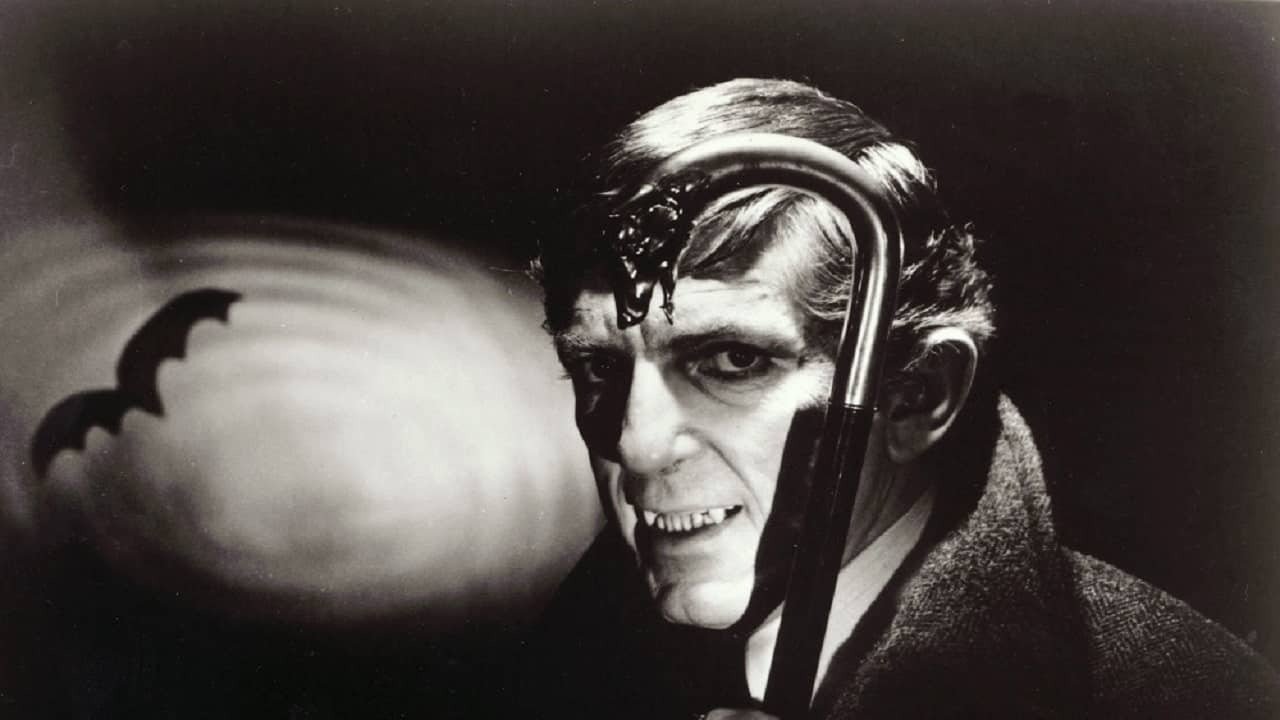
The closing storyline, Dark Shadows explained, brings the werewolf and witch subplots into the same space as the mausoleum. Barnabas Collins, the vampire introduced a year into the broadcast, faces the consequences of the curse that haunted the property. Without revealing the early setup, we can say that the final episodes position the family estate as the stage where lingering grudges play out. The small company of actors each playing many roles means familiar faces return in new guises.
Some characters are portrayed by multiple actors across the years, a quirk of the troupe that cycled through roles. This ensemble approach means the ending feels like a reunion of archetypes rather than a single actor's exit. The writers, including Malcolm Marmorstein, Sam Hall, Gordon Russell, and Violet Welles, crafted a final stretch that honors the show's gothic horror roots. Their scripts weave zombies and man-made monsters into the background.
The parallel universe concept informs the geography of the last scenes even if we avoid spoiling the first act. Time travel appears as a mechanism to revisit the family estate from a different angle, confirming that the show's sci-fi tendencies remained. The finale operates as a synthesis of every genre the series touched during its weekday run.
If you want a modern take on covens and romance, A Discovery of Witches offers a polished alternative to the raw 1960s studio sets while keeping supernatural courtship themes alive.
The Meaning Behind the Ending
The resolution, Dark Shadows ending meaning, is less about defeating the ghost than about accepting the mansion as a living monument to its own haunted past. The curse is not broken so much as woven into the family identity. This subtle move elevates the show from simple soap opera to a meditation on inherited burden. The vampire may be famous, but the true protagonist is the house itself.
Gothic horror often uses the house as a character, and here the family estate becomes the true survivor. The vampire's fate and the witch's schemes matter, but the enduring image is the haunted structure that witnessed it all. By refusing a tidy reset, the finale respects the intelligence of an audience that stayed through the long broadcast. The mausoleum stands as a symbol of continuity rather than closure.
Themes of supernatural duty and personal choice collide. Barnabas Collins may be a vampire, but his final choices reflect the same human hesitation that the early drama hinted at before ghosts arrived. The mansion contains every possible identity, and the ending embraces that closed nature.
Themes You Might Have Missed
The late sequence, Dark Shadows ending what happens, quietly mirrors the earlier ghost innovations by showing that daytime television could sustain a serious supernatural tone. The mausoleum and the werewolf symbolize inherited guilt that passes from one generation to the next within the Collins line. Observers who only remember the camp may overlook how somber the final beat actually feels.
Another overlooked thread is the use of a compact acting company. Because each performer played many roles, the ending feels like a hall of mirrors where the same faces greet you in new costumes. This theatrical device reinforces the idea of a closed world where the mansion contains every possible identity. The practice also means a character departing might reappear as a warlock or ghost.
Warlocks and witches populate the margins of the finale, suggesting the supernatural community extends beyond the central vampire. The tagline "Necking in the afternoon" might hint at daytime romance, but the closing act trades light flirtation for existential dread. The haunted atmosphere swallows the lighthearted tagline whole.
The Bottom Line on Dark Shadows
The later episodes, Dark Shadows time travel, allow the characters to confront the parallel universe and reconsider the family estate from a new angle. This narrative device underscores the show's willingness to bend its own rules near the end. The journey through time is not a gimmick but a way to measure how far the curse has spread across generations.
Overall, the series remains a landmark for introducing ghosts to daytime viewers and for making a vampire a household name. Its blend of drama, sci-fi and fantasy, and soap opera conventions created a template later shows followed. The final act honors that legacy by staying weird, melancholic, and proudly haunted. The rating of 7.3 out of 10 from 96 votes reflects a dedicated cult following.
Viewers who like investigative horror should check Kolchak: The Night Stalker, a 1970s series that also brought monsters into everyday settings and proved weekly supernatural threats could sustain a loyal audience.
Dark Shadows FAQ
Here are quick answers to common questions about the show, based only on confirmed broadcast details.
- When did Dark Shadows air? The program ran weekdays on ABC from June 27, 1966, to April 2, 1971.
- Who created the series? Dan Curtis developed the gothic soap, with Art Wallace authoring the initial story bible that omitted supernatural elements.
- What genres does it blend? It combines drama, sci-fi and fantasy, and soap opera formats, with strong gothic horror coloring.
- Which actors led the cast? Jonathan Frid, Grayson Hall, Nancy Barrett, David Selby, Joan Bennett, Lara Parker, David Henesy, and Kathryn Leigh Scott appeared among the ensemble.
- Why was the show unprecedented? It brought ghosts into daytime television roughly six months after launch, later adding vampires, werewolves, zombies, witches, warlocks, time travel, and a parallel universe.
The tagline "Necking in the afternoon" captures the daytime romance angle that coexisted with the mausoleum mysteries. Though the first act remains off limits in our discussion, the final act stands as a testament to how far a daytime serial could push supernatural boundaries.