Dancing with the Stars (2005): Celebrities Vie for Mirrorball
A reality family competition where celebrities perform ballroom dances and vie for the Mirrorball Trophy, with ending breakdown and analysis.
October 22, 2026
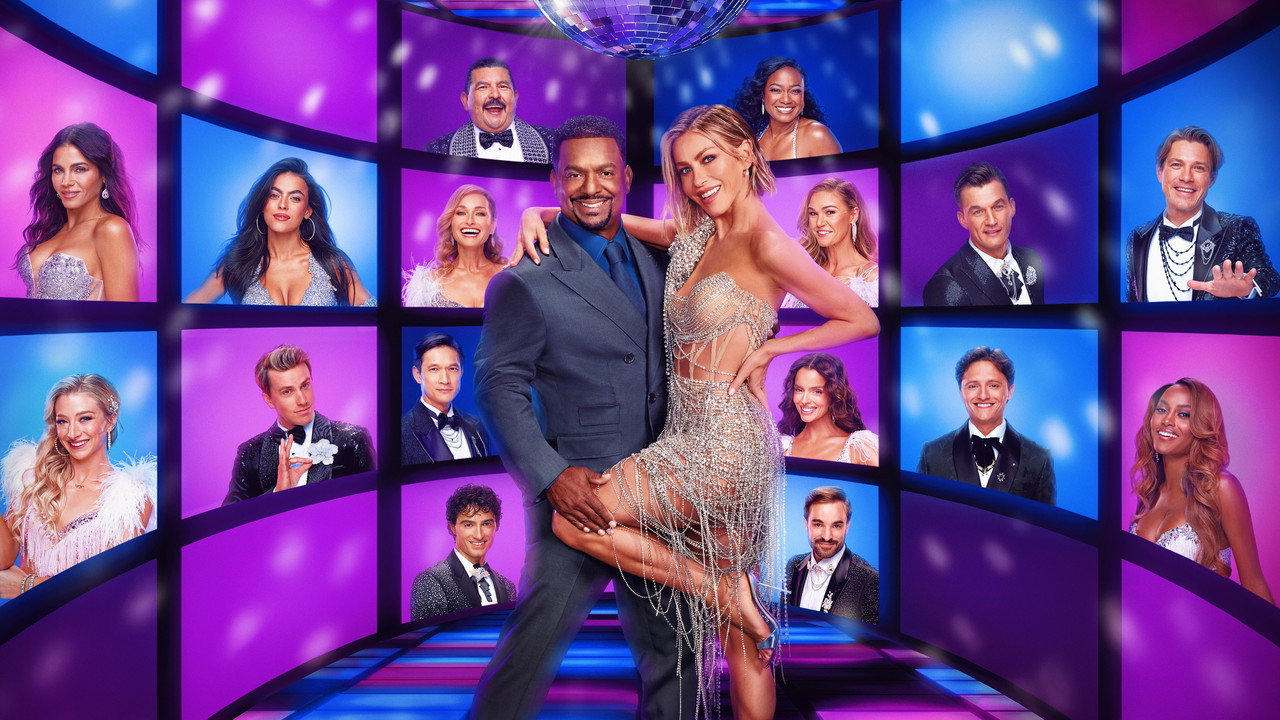
The Ending, Explained
Reality television has given viewers countless formats, but few are as brightly lit as the 2005 series built around celebrities learning ballroom steps. The tagline promises you should dance like everyone's watching, and that is exactly the energy of the studio. Our Dancing with the Stars ending explained write-up avoids early weeks and looks only at the climax where the competition reaches its peak. We will not ruin the first dances or the initial eliminations; instead, we focus on the final act that determines the champion.
The show belongs to the reality and family genres, making it a rare program that grandparents and teenagers can watch together without awkward pauses. With a panel of renowned ballroom experts and a home audience holding the remote, the structure is simple on the surface yet tense in practice. The final episode gathers the remaining famous contestants for one last set of choreographed routines that blend practice with performance pressure.
Throughout the run, the performers endure sizzling salsas, lively sambas, and the inevitable spray-tans that have become a cultural joke. Yet when we talk about the conclusion, we are really talking about the moment the Mirrorball Trophy is lifted. That prize is the symbolic heart of the series, and understanding its placement helps viewers appreciate the journey from awkward first steps to polished footwork. The finale does not need a plot twist because the narrative is the improvement of real people.
Because the program is unscripted, the ending explained here is less about resolving a fabricated mystery and more about clarifying how a winner is chosen. The celebrity dancers are paired with professionals, and the final night is the culmination of weeks of training. Knowing this context makes the last fifteen minutes meaningful rather than confusing for a first-time viewer who skipped earlier episodes.
What Happens
You can learn what happens at the end of Dancing with the Stars by reading the next lines, which describe the finale without touching earlier narrative beats. The remaining celebrities perform their last choreographed dances in front of the judges. Those judges, a panel of renowned ballroom experts, score each routine with the precision the show is known for. Meanwhile, the viewers at home cast votes that weigh heavily in the outcome, creating a hybrid of critic opinion and popular choice.
The who won Dancing with the Stars reveal comes after the final votes are tallied, and the coveted Mirrorball Trophy is handed to the pair that earned the highest combined result. This is not a scripted drama; it is a live competition where the audience participates. The announcement closes the season and gives closure to the weeks of practice, spray-tans, and salsas that led to that stage.
During the final act, the dances themselves often reference the styles seen earlier in the season. Sambas and salsas return with sharper execution, and the celebrities show a confidence that was missing in week one. The judges offer final critiques that are both technical and emotional, reminding everyone that the contest was always about growth as much as winning.
If you enjoy this format, you might also like So You Think You Can Dance, which shares a similar dance spotlight though it skips the celebrity angle. Both programs celebrate movement and the courage to perform under bright lights.
The Meaning Behind the Ending
The Dancing with the Stars ending meaning discussion highlights personal growth more than a simple scoreboard. When the Mirrorball Trophy is awarded, the moment represents the admiring bond between teachers and students, as well as the public's recognition of effort. The final act is less about a twist and more about transformation, showing that a famous face can become a dedicated dancer through repetition and trust.
In the last episode, the celebrities who started as novices finish as capable performers. The judges—Carrie Ann Inaba, Bruno Tonioli, and others—offer final critiques that underscore how far each pair has come. Julianne Hough and Derek Hough, along with Alfonso Ribeiro, have been part of the fabric that makes the closure feel warm rather than cutthroat. Their presence signals that the show values mentorship alongside competition.
The trophy itself is a symbol of achievement that transcends the specific steps performed. Its mirrorball surface reflects the studio lights and, metaphorically, the attention of the audience. When the winner lifts it, the ending meaning becomes clear: the goal was never perfection but the willingness to be seen trying. That message resonates with the family genre and the tagline about dancing like everyone is watching.
Fans of physical contests can explore American Gladiators for another classic competition that also crowns a winner through staged events.
Themes You Might Have Missed
The series runs on a few quiet ideas that the finale makes obvious. Competition is the engine, but celebrity is the hook, and dance competition is the stage where both meet. The feeling of admiring someone's progress ties the strangers at home to the famous faces on screen, turning a simple contest into a shared experience across generations.
The Dancing with the Stars explained recap we posted earlier covers these motifs in depth, showing how the spray-tans and sambas are actually metaphors for vulnerability. When the final trophy is lifted, the theme of admiring reaches its peak: the audience admires the star, and the star admires the craft that once seemed impossible. This mutual respect is the quiet lesson beneath the sequins.
Alfonso Ribeiro, Julianne Hough, Derek Hough, Carrie Ann Inaba, and Bruno Tonioli each represent a pillar of the show's identity. Their presence across the final act reminds us that the program is a family-friendly event where expertise meets fame. The rating of 6.2 out of 10 from 143 votes suggests a niche but devoted following that values consistency over sensation. The themes of competition and celebrity never overwhelm the core dance competition, which stays admirable throughout.
Our Take on Dancing with the Stars
From the perspective of a streaming blog, the 2005 reality entry is a comfort watch. The tagline "Dance like everyone's watching" is not a threat but an invitation. The finale, where the Mirrorball Trophy is decided, delivers a satisfying cap to the weekly buildup without resorting to artificial drama.
We appreciate that the ending does not rely on shock value. Instead, the final act honors the work put in by every celebrity. The combination of judge scores and viewer votes feels democratic, even if the spray-tan jokes write themselves. The show's family classification means you can recommend it without screening first, and the 6.2 rating indicates a steady rather than explosive reception.
For a different kind of reality clash, The Ultimate Fighter pits athletes in a bracket where the last person standing takes the title. It is worth a look for those who enjoy seeing a clear winner emerge from a long contest.
Dancing with the Stars At a Glance
Here is a quick summary for new viewers who want the essentials before jumping to the finale. The program is a reality and family hybrid that aired in 2005, featuring celebrities performing choreographed routines.
- Title: Dancing with the Stars (2005)
- Genres: Reality, Family
- Main cast: Alfonso Ribeiro, Julianne Hough, Derek Hough, Carrie Ann Inaba, Bruno Tonioli
- Tagline: Dance like everyone's watching.
- Premise: Celebrities perform choreographed dances judged by ballroom experts and voted on by viewers, vying for the Mirrorball Trophy.
- Rating: 6.2/10 from 143 votes
The Dancing with the Stars ending explained note we shared earlier pairs well with this glance, giving both detail and overview. Whether you watch for the salsas or the sambas, the final trophy presentation is the punctuation mark the show deserves, and the Dancing with the Stars explained perspective helps first-timers understand the cheers.