Dallas (1978): The Soap That Ruled 1980s Television
Dallas (1978) became TV's first mega-soap, famous for "Who shot J.R.?" and 1980s dominance.
October 24, 2026
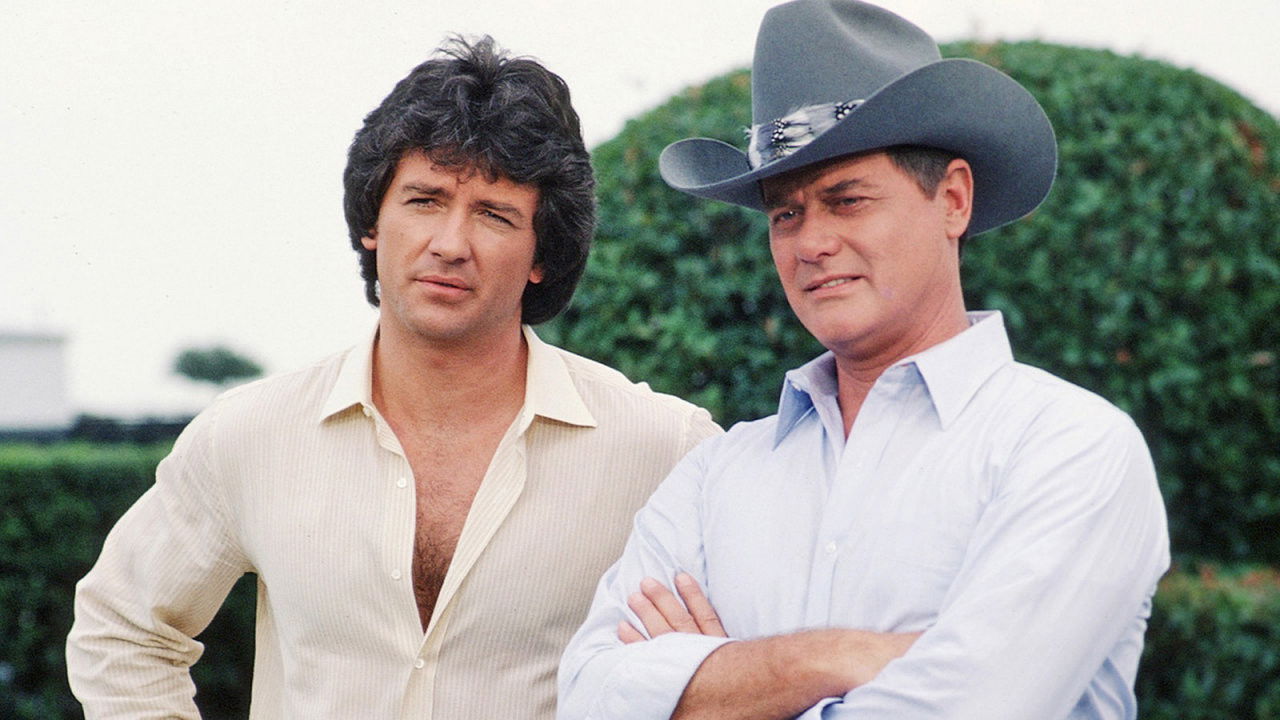
The Ending, Explained
When people talk about Dynasty, they often compare it to the kind of television that Dallas helped define. A Dallas review written today still has to reckon with the closing stretch of the series, because the final act is where the show stops being a slow character study and becomes a statement about power. The ending does not rely on a twist in the first episode. Instead, it pays off years of tension built around a family that treats loyalty as a negotiation.
For those unfamiliar, Dallas 1978 introduced viewers to a world of wealth centered on a ranch in Texas and an oil business that shaped every relationship on screen. The conclusion of the run brings the long rivalry between siblings to a head, and the question of who holds control over the family name gets answered without a sudden reset. What matters is that the ending confirms the show was always a family saga about people who cannot escape each other.
What Happens
By the time the later seasons arrive, the central household has weathered betrayals, shifting alliances, and the constant pressure of the oil industry. The famous moment where the world asked who shot J.R. belongs earlier in the timeline, but its shadow lingers into the final episodes. In the last act, the characters are forced to choose between protecting the ranch and protecting themselves.
The siblings who spent years in conflict reach a point where their rivalry can no longer be ignored. Decisions made in the boardroom echo in the home, and the show makes clear that in this version of the southern USA, money does not solve a broken family. The last scenes do not promise peace. They show a dynasty still standing, but changed, with the next generation already positioned to repeat old patterns.
The Meaning Behind the Ending
The closing chapters of Dallas are less about resolving every plot thread and more about showing that power is inherited like a debt. The family's quest for control over their Texas empire is framed as something that cannot end, because the people involved define themselves through competition. When the final confrontations settle, the message is that a dysfunctional family does not heal by winning; it simply learns to live with the score.
This is why the ending feels earned rather than abrupt. The show spent its middle seasons developing characters slowly, so the last act reads as the natural result of choices made seasons earlier. The ranch remains a symbol of what they are fighting for, but it also becomes a cage. The meaning is that legacy in Dallas is both a prize and a punishment.
Themes You Might Have Missed
Beneath the cars and the glamour, the series is a careful look at sibling rivalry as a form of identity. The brothers and sisters in this story rarely act without thinking of the other. Another quiet theme is how the oil industry functions as a character itself, driving people apart with the promise of more.
The setting of Dallas, Texas is not just a backdrop. The southern USA mentality of honoring family while undermining it appears in small scenes where a kind smile hides a business move. Viewers who focus only on the cliffhangers may miss how often the camera rests on the ranch as a place that witnesses every betrayal. The family saga is really about repetition: each victory plants the seed of the next fight.
The Verdict on Dallas
A Dallas review from a modern perspective should note that the show is a slow-burner that finds its voice in season two. With a rating of around 6.9 from a few hundred votes, it is clear the series is respected even if it is not universally loved. The blend of soap, drama, and family storytelling made it one of the most watched programs of the 1980s.
Dallas 1978 set a template that later shows echoed. If you enjoy stories about a dysfunctional family clinging to an empire, the long storylines here remain compelling. The cast, including Larry Hagman and Patrick Duffy, give the material weight, and the final act rewards patience. It is a family saga that earns its ending.
Dallas FAQ
Many new viewers ask whether they need to start at the very first episode. The early installments are slower, but they build the expert character development that makes the ending land. Fans of older television may also enjoy Guiding Light, which shares the daytime roots of serialized drama.
Another common question is what makes the show matter today. The answer is that it invented the modern mega-soap and proved a family saga could rule the airwaves. For those who like crime-adjacent TV from the same era, Houston Knights offers a different look at Texas life, though without the ranch and oil focus.
Is the famous cliffhanger the whole point? Not really. The "Who shot J.R.?" moment is iconic, but the show's strength is the long burn through seasons of rivalry and reconciliation. Dallas 1978 remains a reference point for anyone studying how television learned to tell a story over years rather than episodes.