Critical Role (2015): How Players Shape Sweeping RPG Narratives
Critical Role (2015) is a weekly actual play series where Game Masters and players collaboratively build sweeping stories across Exandria and beyond.
October 26, 2026
The Ending, Explained
Critical Role is a weekly actual play series that brings tabletop role-playing game mechanics to life through live collaboration between Game Masters and players. While many viewers search for Critical Role ending explained to decode the finale of a given story arc, the truth is that the conclusion emerges from collective creativity rather than a scripted twist. The show, tagged with the cheerful question "Is it Thursday yet?", has built a loyal following since 2015 by streaming its sessions and inviting audiences into the vast fantasy worlds of Exandria, Aramán, and beyond.
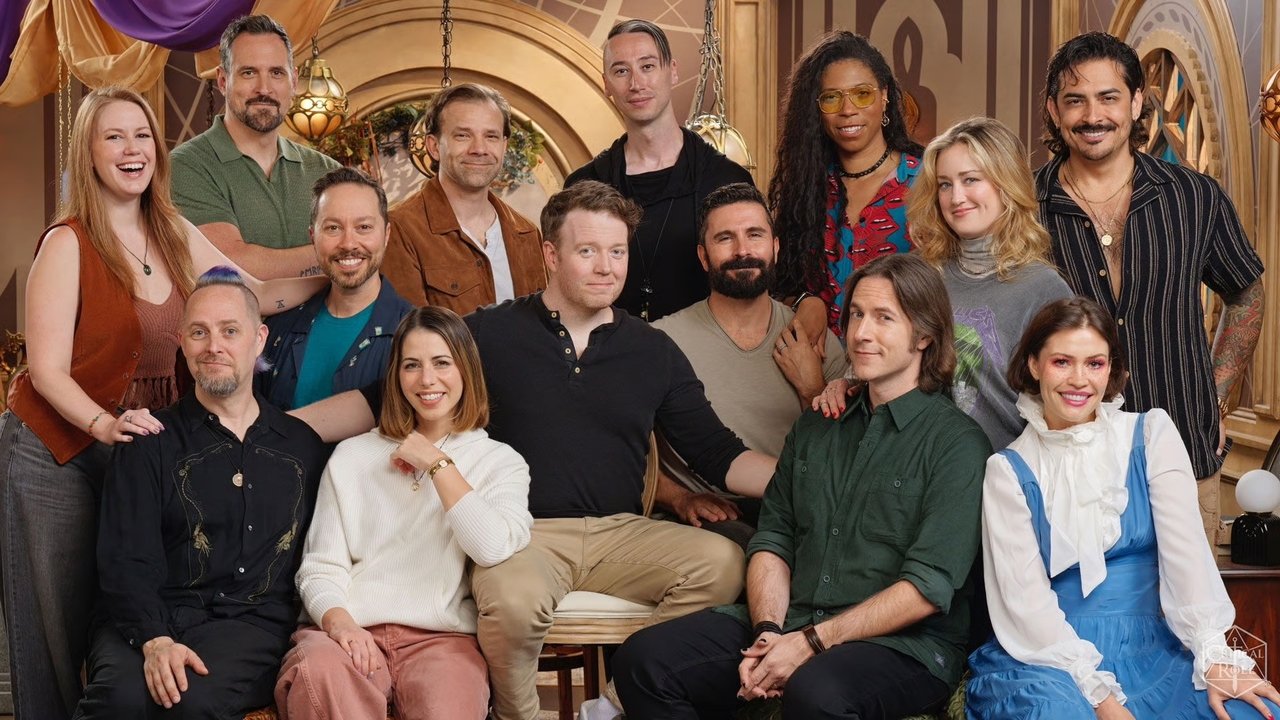
Because the format relies on dungeons and dragons rules and player choices, the final moments of any campaign are less about a hidden reveal and more about how the group's decisions resonate. The ensemble cast, including Matthew Mercer, Laura Bailey, Ashley Johnson, Brennan Lee Mulligan, Luis Carazo, Robbie Daymond, Aabria Iyengar, and Taliesin Jaffe, weave sweeping narratives that feel both spontaneous and deliberate. Their teamwork shows why a live stream can deliver drama as effectively as a written script.
The rating of 8.2 out of 10 from twenty-six voters reflects how well this approach lands. Rather than a single author dictating the end, the tabletop rpg session becomes a shared performance where every roll of the dice shapes the closing beat. That collaborative spirit is the core of the series and the reason fans return each week.
What Happens
Without spoiling the early chapters of any campaign, we can say that the later episodes focus on resolving the threads that the players have tugged throughout their journey. The collaboration between Game Masters and players reaches a peak as the tabletop rpg session moves toward its closing beats. We understand Critical Role what happens at end after watching a few seasons: the group sits together, rolls final checks, and lets the narrative land where the dice and their choices take it.
This is not a traditional television finale with a neat bow. Instead, the live stream format means that the audience witnesses the conclusion in real time, laughing and gasping alongside the performers. The crowd laughed at Critical Role actual play clips that show characters facing their last challenges with humor and heart. Those moments highlight why the show blends comedy, drama, action, and fantasy so effectively.
As the session draws to a close, the players reflect on the arcs they have built. The absence of a fixed runtime allows the story to breathe, giving each participant space to react honestly. That unscripted reaction is what makes the final act feel earned rather than manufactured.
The Meaning Behind the Ending
To grasp the significance, we pondered Critical Role ending meaning after the show and realized it is about agency. Each player controls a hero, and the Game Master guides the world; when the story closes, the ending reflects the sum of those shared decisions. The final act is a celebration of collaborative storytelling, showing that fantasy worlds like Exandria and Aramán can feel as real as any filmed set.
The meaning also ties into the show's tagline, "Is it Thursday yet?", because fans eagerly await the next session to see how loose ends are tied. Even when a campaign ends, the impact of the actual play continues through fan art, discussion, and the next adventure. The closure is meaningful because it honors the time invested by both cast and audience.
Moreover, the blending of Sci-Fi & Fantasy, Action & Adventure, Comedy, and Drama means the ending rarely sits in one tone. A serious sacrifice might be followed by a quiet joke, mirroring how real groups at a game table behave. That emotional range gives the conclusion a texture unique to the medium.
Themes You Might Have Missed
Beyond the obvious dungeons and dragons trappings, the series explores friendship, consequence, and improvisation. Newcomers smile at Critical Role explained summaries that reduce the show to a podcast-like game night, but the deeper theme is trust: the players must trust the Game Master and each other to build something larger than themselves.
Another subtle thread is the blend of genres. Critical Role is listed as Sci-Fi & Fantasy, Action & Adventure, Comedy, Drama, and that mixture appears even in quiet ending scenes where a joke can cut through a tense moment. The live stream element means themes of community and shared experience are always present, as viewers from around the world join the Thursday ritual.
The mechanic of a tabletop rpg also underscores the theme of chance. Dice results can overturn careful plans, reminding the audience that not everything is controllable. This acceptance of randomness becomes a quiet lesson woven through the final episodes.
If you enjoy collaborative storytelling, you might also like The Dungeon Run, which explores similar tabletop themes with its own comedic spin.
For a retro twist, Automan offers a different kind of adventure that fans of the genre may appreciate.
Those who like interactive narratives could try Minecraft: Story Mode as a change of pace.
Should You Press Play on Critical Role?
With a solid 8.2 rating and a format that welcomes both tabletop veterans and curious newcomers, the series is an easy recommendation for anyone who enjoys character-driven fantasy. The absence of a traditional director is not a drawback; the Game Masters fulfill that role dynamically. Because each episode is a live stream, you can start with any campaign and still feel the warmth of the table.
The cast list is a who's who of voice and stage talent, featuring Brennan Lee Mulligan, Taliesin Jaffe, Robbie Daymond, Aabria Iyengar, Luis Carazo, and others. Their chemistry is the secret ingredient. If you have ever wanted to see how a simple roll of the dice can become a legendary moment, press play and let the actual play sweep you into Exandria.
New viewers should not worry about missing the first act of an older campaign. The show's structure encourages jumping in, and the recurring tagline "Is it Thursday yet?" captures the anticipatory joy that keeps the community alive.
Critical Role FAQ
Fans often have questions about the show's structure and conclusion. Here are a few common ones.
- Is Critical Role a scripted show? No, it is an unscripted actual play where players make choices in the moment.
- How long is each session? Runtime details are not fixed, but the weekly live stream format means episodes unfold at the table's pace.
- What makes the ending special? As noted, the final act reflects collaborative resolution rather than a written twist.
- Who appears in the main cast? The ensemble includes Laura Bailey, Matthew Mercer, Ashley Johnson, and the other performers listed in the show's credits.
- Why is it called actual play? Because it documents real tabletop rpg sessions played by the cast for an audience.
The continued popularity of recap content shows that audiences love digging into the mechanics. Whether you join for the comedy, the drama, or the dungeons and dragons action, the series offers a refreshing take on fantasy storytelling that respects both players and viewers.