Crayon Shin-chan (1992): A Child's Mind in Adult Chaos
Crayon Shin-chan (1992) is an animation comedy about a chaotic five-year-old whose adult-like mind creates endless trouble.
October 24, 2026
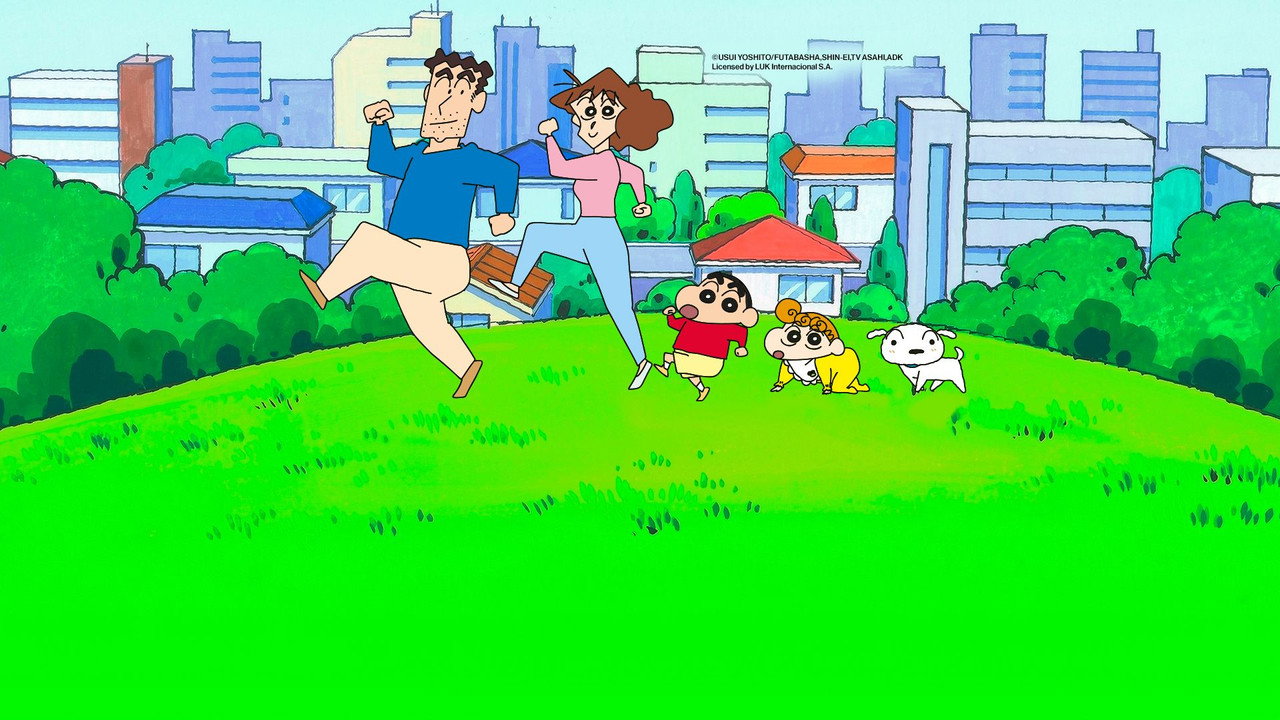
The Ending, Explained
A proper Crayon Shin-chan ending explained breakdown begins with a simple truth: this 1992 animation does not build toward a single dramatic finale in its early format. Rather, each broadcast closes with the same walking disaster returning to his carefree center. Shin-chan, the boy next door, carries the body of a child and the mind of an adult, and that mismatch fuels every closing beat.
For newcomers, the series, Crayon Shin-chan explained briefly, comes from a manga and translates into an anime comedy that loves farce. The five-year-old likes to do things his way, and the ending of any given story packet simply confirms that preference.
We will not reveal the first act of any episode, but it is safe to say that the final minutes usually show the family absorbing his chaos with amused tolerance. That cycle is the real conclusion fans discuss online.
The animation and comedy labels fit because the visual gags rely on a five-year-old whose actions defy his small frame. He is carefree, optimistic and gets excited about everything, which makes the closing scenes feel like a reset button rather than a finale.
Shin-chan, the boy next door, is a walking disaster, creating chaos wherever he goes. That description from the original synopsis explains why any ending explained must focus on his unchanging nature.
What Happens
Curious viewers often wonder what happens at the end of Crayon Shin-chan, and the answer is consistent across the show's tone. After the farcical escalations, the characters settle into a warm normal that praises Shin-chan's fearless excitement about everything.
The Crayon Shin-chan comedy moments accumulate until the last scene, where a small misunderstanding resolves without punishment. Shin-chan remains optimistic, his mother and father exchange weary but appreciative glances, and the routine continues. This structure keeps the rating of 7.7/10 across 118 votes understandable for those who value light television.
Without spoiling early plot points, we can note that the closing act rarely shifts the status quo. Instead, it mirrors the show's tagline-free promise: a child's view can wreck the room yet still be loved.
The farcical tone means the events never threaten real consequences. Instead, the final act shows the family remaining appreciative of their unique child. This pattern holds across the 1992 broadcast run.
The Meaning Behind the Ending
Our Crayon Shin-chan ending meaning essay suggests the finale is less about lesson and more about acceptance. The five-year-old's adult-like reasoning could be read as a critique of rigid adulthood, but the warm reset indicates admiration for pure spontaneity.
When the screen fades, the message is that being amused by small disasters is healthier than correcting them. This is why the anime, based on manga, feels timeless to its audience. The ending meaning rests on the bond between a chaotic kid and a family that chooses joy.
Many parents in the story respond with an appreciative sigh, showing that the farcical pain is temporary. That emotional payoff is the true significance of the final act.
Because the show is based on manga, the ending meaning carries the source material's warmth. Readers who admired the printed version will recognize the same amused resolution on screen.
Themes You Might Have Missed
Beyond the obvious laughter, the program quietly celebrates several ideas. The most clear is its manga root, which honors printed comedy traditions. Another is the theme of admiring childish courage even when it creates trouble.
- Amused tolerance from side characters
- Appreciative family dynamics after chaos
- Farcical situations that never turn mean
- Anime styling that keeps the 1992 look fresh
If you enjoy this kind of adaptive storytelling, you might also like Little Busters!, which also grew from a manga/visual novel into an animated comedy.
For a sweeter slice-of-life contrast, Shikimori's Not Just a Cutie offers a different take on youthful optimism that still values affection over strict order.
Those wanting something more supernatural can try Demon Prince Enma, though its tone is far darker than Shin-chan's fare and lacks the same gentle wrap-up.
The farcical core means you should watch for the small reactions of supporting cast. Shin-chan's voice cast, including Akiko Yajima and Keiji Fujiwara, deliver lines that heighten the amused mood without extra commentary.
Voice Work
The main cast includes Akiko Yajima, Miki Narahashi, Keiji Fujiwara, Satomi Korogi, Mari Mashiba, Chie Sato, Rokuro Naya, and Michie Tomizawa. Their performances heighten the appreciative and amused reactions that define the farcical beats.
Is Crayon Shin-chan Worth Your Time?
The recorded score of 7.7/10 from 118 votes points to a solid reception among streaming viewers. Because the show is animation and comedy, it asks only for a willingness to accept a five-year-old's logic. If you prefer tight arcs, the episodic ending may feel slight, but the Crayon Shin-chan comedy moments compensate with repeatable joy.
We highlight funny segments that show his adult-like mind, such as when he treats chores as negotiations. These beats are why the series stays on free platforms for families.
Given the short runtime per installment and the carefree premise, it is easy to sample. The absence of a heavy plot means you can start at any ending and still grasp the meaning.
As an animation and comedy hybrid, the title invites admiring looks at its simple style. The 7.7/10 score from 118 votes shows that a niche but happy audience found value in the chaos.
Crayon Shin-chan Verdict
Overall, the 1992 title remains a friendly entry in anime history. Its ending, explained without spoilers, is a circle of chaos and love. The Crayon Shin-chan ending meaning teaches that being optimistic about everything is a valid way to live.
Whether you are admiring the manga adaptation or just amused by farcical television, this blog recommends it for a relaxed evening. The final act never punishes the boy next door, and that is precisely the point.
With three internal links provided above to similar shows, your watchlist can expand beyond this classic. Return to our Crayon Shin-chan explained notes whenever you need a refresher on why a child's way wins.
Ultimately, the farcical anime remains a testament to childlike freedom. Whether you are amused by the disasters or appreciative of the family's patience, the show earns its place on a free streaming blog.