Coyote vs. Acme (2026): A Desert Predator's Day in Court
Wile E. Coyote hires a billboard lawyer to sue Acme Corporation after their products fail him in chasing the Roadrunner.
October 24, 2026
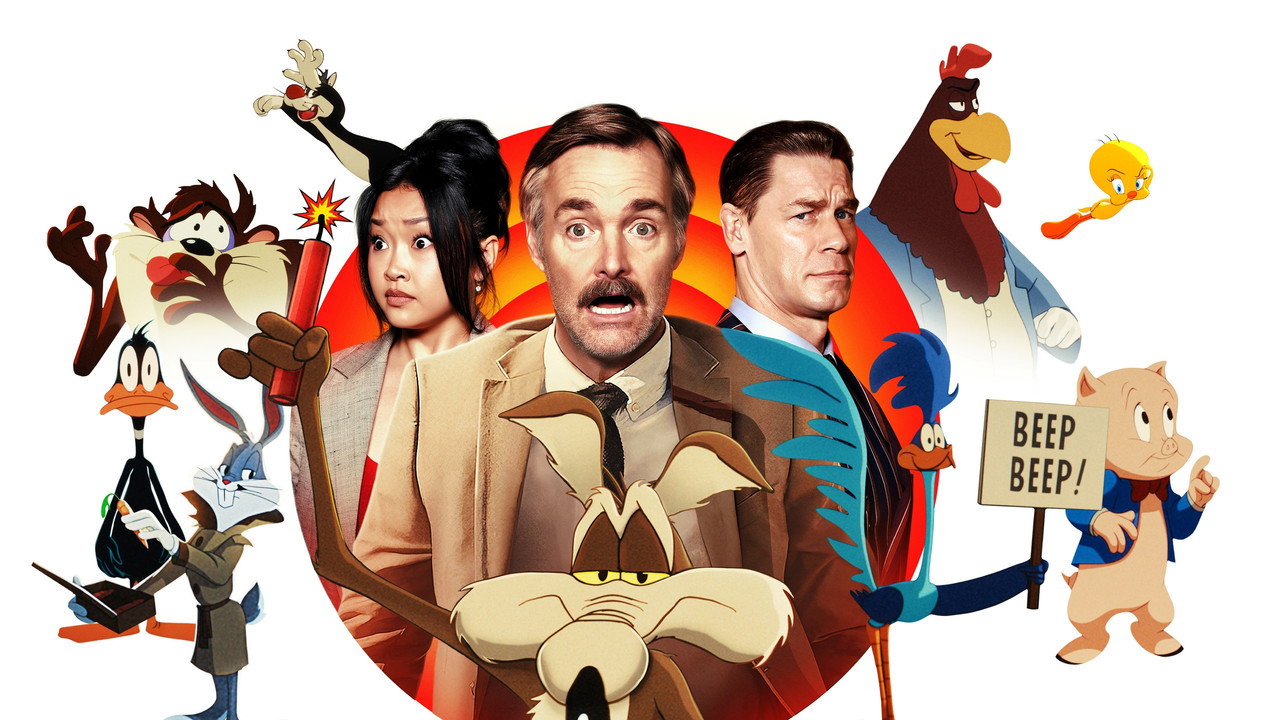
The Ending, Explained
This Coyote vs. Acme ending explained article deliberately avoids the early comedy of errors that starts the story. Instead, we look at the final courtroom showdown where Wile E. Coyote's decision to hire a billboard lawyer pays off in unexpected ways. The silent predator from the desert has always been a figure of perpetual failure, but the last act reframes his struggle. With attorney Avery, played by Will Forte, handling the verbal sparring, the coyote communicates through exaggerated gesture and presented evidence. Opposing counsel, including John Cena's character, argues for the Acme Corporation's standard defense. A judge presides over the bizarre proceeding, and the absence of the Road Runner as a witness does not stall the case as one might expect. The resolution leans into the warmth of an unlikely friendship rather than a strict legal triumph. By keeping the first act off the table, we can appreciate how the closing minutes transform a slapstick premise into something quietly heartfelt. The film's hybrid format allows the animated defendant to share the frame with live actors, making the finale feel like a bridge between two storytelling worlds. That visual union underscores the emotional payoff without needing a single word from the coyote.
What Happens
That Coyote vs. Acme ending what happens summary centers on the verdict and its immediate aftermath. The trial reaches a peak when the Acme side, represented by a booming cartoon executive and his legal eagle, attempts to prove that their products were never meant for real-world safety. The defense suggests the gadgets were tested on invincible animation characters, a point that frustrates the live-action lawyer. Meanwhile, the coyote's inability to speak is bypassed through a montage of past misfortunes shown as evidence. The judge, a befuddled figure, weighs the arguments with more concern for routine than justice. When the gavel finally falls, the outcome is less about punishing a corporation and more about personal acknowledgment. The coyote gains a companion in his lawyer, and the two share a moment that echoes the film's tagline about the movie Acme didn't want seen. Nothing in the finale relies on the early hire or the initial product failures, so readers new to the plot can still follow the emotional beats. We see the courtroom clear, but the relationship forged remains the true residue of the conflict. The absurdity of a silent desert animal suing a megacorp fades, leaving a simple picture of mutual respect.
The Meaning Behind the Ending
This Coyote vs. Acme ending meaning reveals the film's emotional core beyond the surface humor. The lawsuit could have been a sharp satire of consumer culture, yet the final act opts for a gentler message. It suggests that persistence in the face of absurd obstacles builds bonds between mismatched allies. The coyote, a classic cartoon character, and the human lawyer form a bridge between the animated and live-action worlds. Their connection mirrors the movie's own hybrid nature, mixing CGI creatures with real performers. Rather than dismantling a mega-company, the story celebrates the dignity of being heard. The closing scene implies that the value of the court case was never the potential settlement but the recognition of a silent soul's struggles. That thematic choice elevates the picture above a simple children's comedy and gives adults a reason to reflect on unseen laborers in any system. When the credits approach, the viewer understands that the coyote's pursuit was always about companionship, not capture. The Roadrunner may stay uncaught, but the ending finds a different prize.
Themes You Might Have Missed
That Coyote vs. Acme explained essay highlights subtle motifs woven through the climax. Viewers focused on sight gags might overlook the recurring image of the judge as a symbol of institutional blindness. The courtroom setting is not just a backdrop but a comment on how rigid systems treat outsiders. Another layer is the "based on magazine, newspaper or article" idea, nodding to the real-world inspiration for the screenplay. The picture also quietly examines what it means to be a cartoon character in a live-action legal framework, playing with the rules of physics that normally protect animated beings. Fans of hybrid animation should explore Planes: Fire & Rescue, which also blends drawn elements with tangible settings. Similarly, those who enjoy gentle family adventures might appreciate Nighty Knight for its playful tone. These films share a spirit of unlikely pairings that this feature embraces.
Additional themes include the absurd as a narrative tool. The lawyer's billboard origins and the coyote's stubborn pursuit create a rhythm of failure that becomes comforting. The dramatic undercurrent surfaces when the court must decide if a non-speaking creature deserves representation. This question elevates the silly premise into a fable about voice and visibility. The cast, featuring Lana Condor, Tone Bell, Martha Kelly, Luis Guzmán, P.J. Byrne, and John Early alongside Forte and Cena, populates the periphery with characters who reinforce the central bond. Their reactions during the final hearing subtly echo the audience's own surprise at the story's soft heart. The cgi-live action hybrid technique never draws attention to itself, allowing the themes of friendship and fairness to dominate the concluding minutes.
The Bottom Line on Coyote vs. Acme
This Coyote vs. Acme lawsuit breakdown shows why the film works as a streaming pick. Director Dave Green delivers a 103-minute comedy adventure family experience that earned a 7.5/10 rating from 777 votes. The tagline, "The movie ACME doesn't want you to see," plays directly into the finale's meta wink. While the opening might rely on familiar chase jokes, the ending we discussed rewards patience with sincerity. The performances of Will Forte and John Cena anchor the absurdity, and the CGI-live action hybrid holds up remarkably well compared to older efforts. If you want another light-hearted option with talking animals and mishaps, consider Trouble, a 2019 comedy that also pairs a solitary protagonist with unexpected allies. Overall, the picture stands as a neat time capsule of Hollywood animation meeting real-world law, and its final act is stronger than casual viewers expect. The rating reflects a consensus that the risky concept paid off, offering a family friendly ride with a thoughtful conclusion.
Coyote vs. Acme At a Glance
- Title: Coyote vs. Acme (2026)
- Genres: Comedy, Adventure, Family
- Director: Dave Green
- Runtime: 103 min
- Rating: 7.5/10 (777 votes)
- Tagline: The movie ACME doesn't want you to see.
- Plot: Wile E. Coyote hires a billboard lawyer to sue Acme Corporation after repeated product failures.
- Main cast: Will Forte, Lana Condor, John Cena, Tone Bell, Martha Kelly, Luis Guzmán, P.J. Byrne, John Early
- Themes: judge, lawsuit, lawyer, courtroom, unlikely friendship, coyote, live action and animation, cartoon characters, cgi-live action hybrid, absurd, dramatic