Coronation Street (1960): Britain's Longest-Running Soap
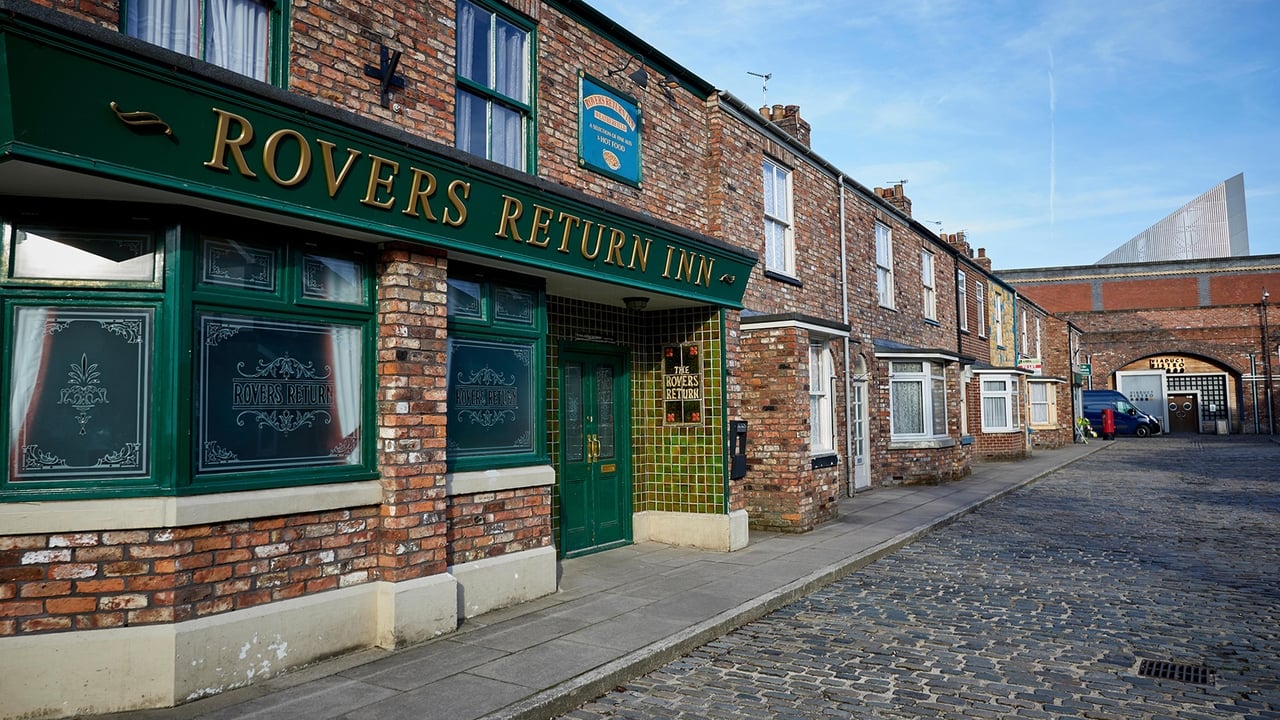
Coronation Street (1960) is Britain's longest-running soap following ordinary working-class residents at home, work, and the Rovers Return Inn.
October 18, 2026
The Ending, Explained
In this Coronation Street ending explained analysis, we examine how the programme's original storytelling ethos gradually closed its chapter. The show began as a quiet observation of ordinary life in a northern town, but the final act of that early vision tells a different story. We will not reveal the opening scenes or the first conflicts, because understanding the conclusion does not require knowing how the residents first met.
The early decade's tone was built on balanced humour and drama, with people you could imagine living next door. As the years rolled on, the gentle pace that defined the Manchester backstreets shifted. Our breakdown focuses on the later period, which many viewers feel represents the end of the show's founding spirit. That spirit grew from low expectations; few predicted the modest serial would become a cultural fixture that turned its cast into household names.
The closure of that initial approach does not mean the programme disappeared. Rather, the neighbourhood continued with a new temperament. We treat the transition as the true ending worth explaining, since it reshaped what the street meant to its audience.
Fans of vintage serials might also appreciate Dark Shadows, a 1966 gothic soap that likewise ran for years and built a devoted following.
What Happens
We answered the question what happens Coronation Street end by looking at the modern instalments. The later stretches replace warm neighbourhood chats with louder confrontations. Instead of long-standing friendships, the writing often turns to shocking crimes. This transition did not occur overnight, but it marks a clear change from the programme's humble origins.
Many Coronation Street episodes from the past thirty years involve abrupt exits and grim events. The Rovers Return Inn remains a setting, yet the conversations inside it carry less laughter. Characters who once felt like family are written out more quickly, making room for short-term tension. Some observers trace this pivot to the impact of a louder rival serial set in London, whose heated style pushed the genre toward constant escalation.
The workplace and home scenes that once centred on mutual support now frequently serve as stages for conflict. While the pub still stands, its role as a calm harbour diminishes. The shift illustrates how a format built on community can be redirected toward spectacle.
If you prefer character-driven hospital tales, Chicago Hope provides an ensemble cast dealing with daily pressures in a very different environment.
The Meaning Behind the Ending
The Coronation Street ending meaning becomes clear when we consider what the community represented. The loss of steady, likeable faces suggests that the comfort of northern England's working-class routine was sacrificed for urgency. A soap that once mirrored real life now mirrors the frantic style of transatlantic dramas.
That shift is not just about plot. It speaks to how audiences began to expect constant peaks of emotion. The final act of the classic approach shows a community pub that still stands, but the sense of permanence has eroded. The meaning rests in the contrast between a Manchester street that felt eternal and a schedule that now favours the temporary.
When we step back, the ending of the original tone signals a broader change in television habits. The residents' regular social and family interactions gave way to incidents designed for water-cooler shock. The meaning therefore lies in what we lose when gentle realism is traded for relentless momentum.
Themes You Might Have Missed
This Coronation Street explained companion sheds light on subtle motifs. The British pub is not merely a backdrop; it functions as the heart of the neighbourhood. Within its walls, regular social and family interactions shape identity more than any single storyline.
Another overlooked theme is the celebration of ordinary labour. The residents are working-class, and their daily grind is treated with respect rather than pity. Northern England's specific dialect and humour colour every exchange, making the setting a character in its own right. The soap opera format allows these small moments to accumulate into a portrait of place.
Community itself acts as the silent protagonist. While individual romances and feuds arrive and depart, the collective identity of the street persists. Even as the tone altered, the theme of neighbours relying on one another never fully vanished, though it was often overshadowed by louder beats.
For those who enjoy sweeping familial chronicles, Rich Man, Poor Man traces a household across turbulent times and may appeal to the same sentiment.
Should You Press Play on Coronation Street?
The current rating of 5.336 out of 10 from 119 votes hints at divided opinion. If you start with the newest broadcasts and feel the pacing or plots miss the mark, the older archives are worth seeking. The earliest runs earned far warmer appraisal from longtime followers who valued realism and wit in equal measure. Those early years turned unknown actors into stars, proving that stories about ordinary people could captivate a nation.
Newer viewers sometimes blame the influence of rival serials for the louder tone, citing scream-filled rivals as a catalyst. Whether or not that is fair, the result is a programme that now plays more like imported daytime fiction. Our advice is to sample a few decades before judging the entire run. The length of the series means a viewer can find a version that matches their taste, from gentle neighbourly warmth to high-stakes theatre.
Coronation Street in Short
Britain's longest-running soap portrays residents of a Manchester street through everyday trials at home, work, and the Rovers Return. Its themes of community and northern identity remain woven into the fabric even as the presentation evolves. The ending of its original calm style leaves a meaningful lesson about preservation of local colour. Whether you watch for the classic camaraderie or the modern twists, the series offers a lengthy window into British life.
Take time to explore both eras. The contrast between them is itself a story of how television reflects changing expectations. By understanding the conclusion of the show's first artistic chapter, you gain a richer view of why the street still matters to so many.