Coraline (2009): The Hidden Door to Nightmare
Coraline (2009) follows a girl who finds an idealized fake world behind a hidden door, but staying demands a terrifying sacrifice.
October 26, 2026
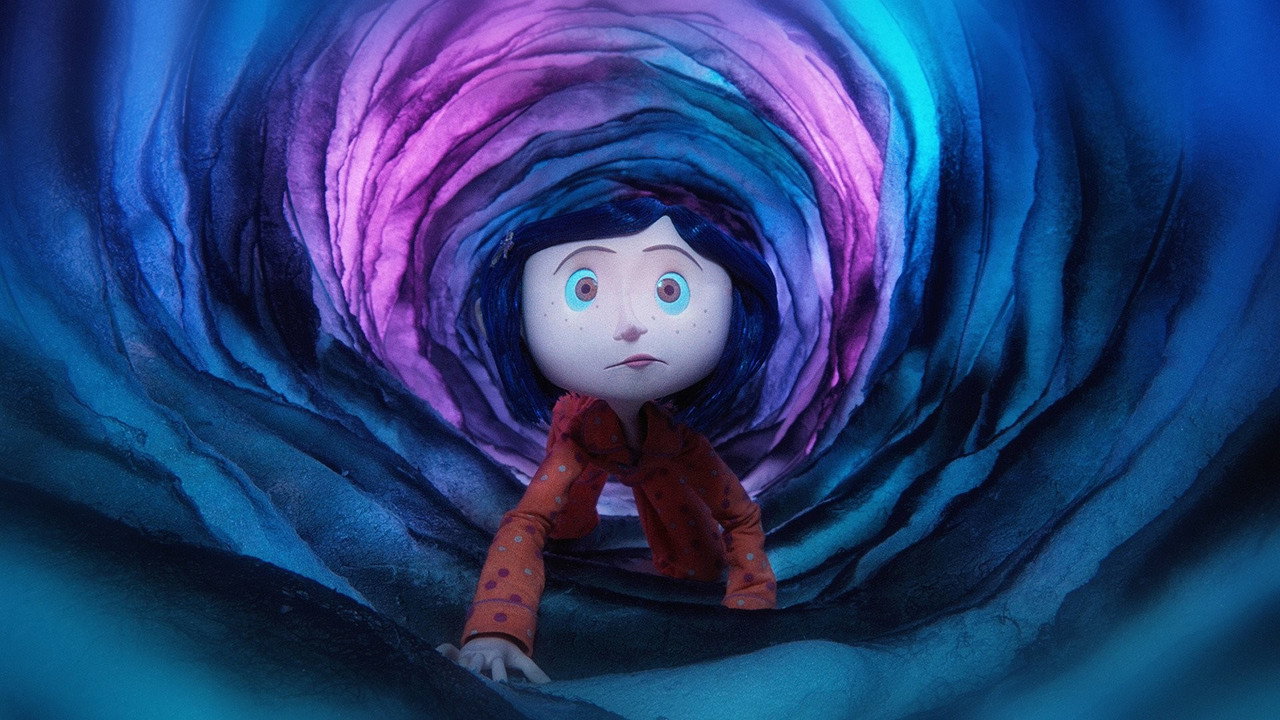
The Ending, Explained
Initially set in a quiet animated world, this 2009 work blends animation, family, fantasy, and horror. The discussion, especially Coraline ending explained, helps newcomers process the final moments. Henry Selick's direction leaves deliberate gaps for the viewer to fill, and that is a strength rather than a weakness.
Several analyses, among them Coraline explained, note that the film trusts its audience to think about consequence. Rather than handing out a tidy moral, the story shows a child facing a warped version of her own wishes. The tagline, "Be careful what you wish for," hangs over the climax like a faint echo.
For those who enjoy meticulously crafted fantasy worlds, a similar title worth streaming is Epic. Both films build parallel realms where ordinary rules bend, though the tone of each is quite different.
The runtime of one hundred minutes keeps the pacing tight, yet the stop motion craft gives every frame a tangible weight. With a rating of 7.946 out of 10 across more than nine thousand votes, the film clearly connects with viewers who like their fairy tales with teeth.
What Happens
By the time the narrative reaches its final stretch, the heroine is trapped in a replica of her home that hides a malicious core. Common questions, among them what happens at end of Coraline, get answered when we look at the showdown between the girl and the entity pretending to be her mother. The false parent demands a permanent bond that requires giving up one's sight in a literal sense.
The visual signs, among them Coraline button eyes, warn of danger long before the climax. Those sewn features appear on the faces within the parallel world, reflecting the price of staying in the fantasy. Coraline must use cleverness rather than force to turn the trap back on its maker. With the aid of friendship and quiet courage, she proposes a way to reclaim what was taken.
After a tense sequence inside the fantasy version of her home, the girl secures the secret door and locks the threat behind it. She then hides the object that could open the passage to ensure nothing can reopen it. The real world returns to its muted but safe routine, and the family begins to heal.
If you want another animated adventure about brave youngsters, consider Gordon & Paddy. That selection offers a gentler tone but still celebrates quick thinking in strange situations.
The final act never shows the boring new town from the opening, but the contrast between the secret door and the new home remains clear. A stuffed animal and other small objects gain new meaning once the true scale of the sacrifice is understood.
The Meaning Behind the Ending
The conclusion is not merely a scare; it is a rite of passage. Final thoughts, among them Coraline ending meaning, center on growth. The protagonist learns that love from flawed parents is preferable to a polished illusion. The frightening sacrifice asked of her represents the cost of denying reality, and her refusal marks the moment she chooses maturity.
We also see the weight of memory. The parallel world offers dreams that look perfect, yet the eye motif reminds us that perception is everything. The film implies that acknowledging fear is the first step toward safety, a lesson that resonates beyond the screen.
Halloween hues and the button imagery combine to show that surface beauty can hide a female villain's control. When the door is sealed, the audience understands that a new home can be imperfect and still worth protecting.
Themes You Might Have Missed
Beyond the obvious creepiness, the movie plants subtle motifs. Friendship appears as a resource the girl uses when the odds turn. Dreams and a parallel world are rendered in tactile stop motion, giving the fantasy a handmade feel that contrasts with slick digital effects.
The story is based on a novel or book, and that literary root shows in its structured symbolism. A new home and a secret door frame the journey, while Halloween aesthetics color the background. The female villain is not a cartoon witch but a perversion of maternal care, which makes her far more unsettling. Eyes are a recurring image, not just as buttons but as windows to identity.
Viewers who like quiet, dreamlike puzzles may appreciate The Institute of The Dream. Its atmosphere shares the same respect for a child's inner life that Selick's film displays.
Another layer is the use of a stuffed animal as a token of comfort that crosses between worlds. The object becomes a quiet witness to the change the protagonist undergoes during the finale.
The Bottom Line on Coraline
This 100-minute feature earns its 7.946/10 rating from more than 9645 votes for good reason. Dakota Fanning leads a voice cast that includes Teri Hatcher, Jennifer Saunders, Dawn French, Keith David, John Hodgman, Robert Bailey Jr., and Ian McShane. Each performer adds texture to a world that feels both cozy and wrong.
Director Henry Selick proves again that animation can serve horror and family drama at once. The tagline "Be careful what you wish for" is not a gimmick but the spine of the plot. For a free streaming blog audience, this title remains a top recommendation when the weather turns cold and viewers want something with bite.
Genres listed for the picture are animation, family, fantasy, and horror, and that blend is exactly why the ending satisfies. It never abandons the child's perspective, yet it respects the intelligence of older viewers who notice the buried symbols.
Coraline Highlights
- Groundbreaking stop motion animation that still looks detailed more than a decade later.
- A genuinely threatening female villain who twists comfort into control.
- Voice work from Dakota Fanning and Teri Hatcher that balances wonder and dread.
- A concluding symbol of stolen autonomy shown through the sewn buttons on copied faces.
- A conclusion that respects children's ability to handle dark themes with hope.
The mix of fantasy, horror, and family storytelling makes this a rare film that entertains across ages. Whether you came for the scare or the craft, the ending stays with you. The secret door may be shut, but the conversation around what it meant is just beginning.