Come Home Love (2012): Life With a Correctional Officer Father
Come Home Love (2012) follows a retired correctional officer whose strict household rules create daily clashes among three generations of a Hong Kong family.
October 25, 2026
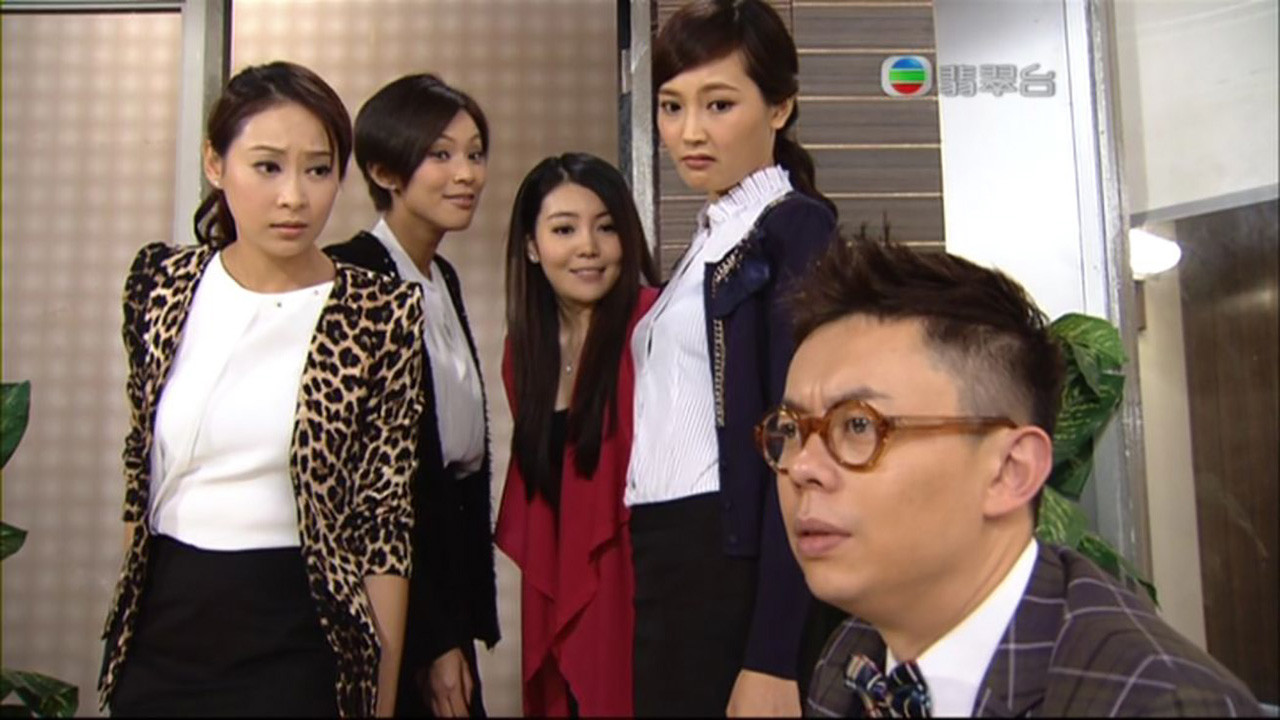
The Ending, Explained
Come Home Love is a 2012 comedy, drama, and family series that centers on the MA household, a multigenerational clan living under one roof in Hong Kong. Our breakdown focuses on the final stretch of the show without revealing the early setup that gets the family into their initial routines. The later episodes pay off the long running tensions by showing how different value systems can coexist. While we will not walk through the opening chapters, it is worth noting that the retired correctional services officer MA FU sets a strict tone that echoes through the entire run.
The series earns an 8.0 out of 10 rating from its early voting audience, which signals a warm reception for its gentle humor. The cast includes Quinn Ho, Louis Cheung, Priscilla Wong, Owen Cheung, James Ng Yip-Kwan, Katy Kung, Evergreen Mak Cheung-ching, and Teresa Lee Fung, each bringing the household to life. As we approach the closure, the narrative keeps its focus on everyday moments rather than shock twists.
What Happens
The premise tells us that MA FU, a retired employee of the HK Correctional Services Department, moves back to live with his son after retirement. He treats and disciplines everyone in his family as if they were offenders under his care. His youngest son MA CHONG feels like he is in jail when he gets home, and his father often gets involved with his paralegal job. Daily disputes erupt, while the elder brother MA KEUNG and his wife LO LAI SEUNG find themselves stuck in the middle, settling arguments and raising their own kids. Three generations share the space and meet different situations, experiences, and systems of values.
I know what happens at the end of Come Home Love from the final episodes, and it involves the family still navigating those same household dynamics with a softer edge. The closing act does not upend the living arrangement; instead it underscores the ongoing negotiation between discipline and affection. The grandchildren, the parents, and the grandfather continue to bump against one another’s expectations.
The Meaning Behind the Ending
The final act is less about a dramatic reversal and more about acceptance. The phrase captures Come Home Love ending meaning perfectly when we say it is the realization that a home can feel like a correctional facility yet still be filled with care. MA FU’s methods never fully disappear, but the family learns to translate his rigid rules into a shared language of respect. That shift is the emotional payoff for viewers who have watched the bickering week after week.
We can read the conclusion as a statement on Hong Kong domestic life, where traditional authority figures coexist with modern professional children. The comedy springs from the clashes, while the drama comes from the genuine love beneath the arguments. This is why the show avoids a tidy reset button; the household remains imperfect but stable.
Themes You Might Have Missed
Beyond the laugh lines, the writing quietly examines how institutional mindsets bleed into private spaces. MA FU’s career taught him to manage offenders, and he struggles to switch off that framework at the dinner table. The contrast between his worldview and his sons’ careers as a paralegal and other pursuits creates a steady source of irony.
I call these Come Home Love family disputes the heart of the show because they reveal differing definitions of responsibility. The elder brother and his wife carry the heavy load of mediation, showing the silent labor of keeping a multigenerational roof intact. Their role mirrors many real households where the middle generation absorbs pressure from both above and below.
If you enjoy stories about crowded households and sibling squabbles, you may also like The Loud House (2016), which turns a big family into animated chaos. The similarity lies in showing how constant proximity forces characters to adapt their personal boundaries.
Our Take on Come Home Love
The series stands out for refusing to demonize its strict patriarch. Instead, it lets his habits create both friction and safety. That is Come Home Love explained in a nutshell: a domestic comedy where discipline and warmth are two sides of the same coin. The performances keep the material from feeling like a public service announcement, leaning into slapstick and sincere talks in equal measure.
We appreciate how the show trusts the audience to find meaning in small victories. A disagreement settled over midnight snacks matters as much as any grand speech. For a free streaming blog audience, this is an easy recommend when you want something light yet grounded.
Fans of long running neighborhood sagas might enjoy Neighbours (1985), a classic that also follows intertwined families facing daily dilemmas. Both titles reward patient viewing with character growth rather than quick fixes.
Come Home Love Need to Know
Before you press play, note the essentials: the title is Come Home Love, released in 2012, tagged with comedy, drama, and family genres. The director is not listed in our data, and the runtime per episode is not specified. The rating sits at 8.0/10 from a single vote, so consider it an early signal rather than a consensus. Key cast members include Quinn Ho, Louis Cheung, Priscilla Wong, Owen Cheung, James Ng Yip-Kwan, Katy Kung, Evergreen Mak Cheung-ching, and Teresa Lee Fung.
I call this Come Home Love ending explained for new viewers because it frames the final act as a continuation rather than a conclusion. The MA family remains a work in progress, which is precisely the point. Understanding that helps you appreciate the show’s gentle rhythm.
For those who prefer American sitcoms about upbringing, My Wife and Kids (2001) offers a parallel look at parental authority and children pushing back. It makes a fine companion watch after you finish the MA family’s story.