Come Home Love: Lo and Behold (2017): Logistics Boss, Family Woes
A logistics boss's family chaos unfolds when his photographer uncle moves in and strange events point to a department store mogul's son.
October 17, 2026
The Ending, Explained
The final stretch of the series brings the household into sharper focus, and the last segment, Come Home Love: Lo and Behold ending explained, centers on how the strange occurrences find their source. We will not walk through the opening chapters, but it is safe to say that the calm of the logistics company contrasts with the chaos at home. By the close, the investigation that began with odd family incidents points clearly to a young man named Lung Ging Fung. He is the son of a department store magnate, Lung Gam Wai, and his involvement reframes the earlier laughter. The show never treats these events as dark; instead, the revelation is folded into the sitcom rhythm that defines the project.
Throughout the back half, small reactions prepare the audience for the disclosure without telegraphing it. Because the first act remains untouched here, new viewers can jump to the finale breakdown and still follow the logic. The essential thread is that a family built on self-made success must process a disruption from outside its usual circle.
Viewers who enjoy multi-generation stories might also appreciate Leave It to Beaver, a classic that similarly leans on family misunderstandings for warmth.
What Happens
The viewer, wondering what happens at the end of Come Home Love: Lo and Behold, will see the uncle Hung Sue Yan settled into the family routine after his nomadic photography days. His presence at his niece's company sparks reconnection with Ko Pak Fei, an online shop director and former flame. The strange events that started after his arrival are eventually traced to Lung Ging Fung, whose promising status masks a role in the disruptions. The finale resolves these threads by exposing the source and letting the family absorb the surprise together.
Beyond the investigative turn, the ending also settles the domestic squabbles. Hung Yeuk Shui, who has been wary of marriage, shares moments with her honor-student sister Hung Sum Yue that move from bickering to mutual support. Their father Hung Sue Gan, who once did not know whether to laugh or cry, finds a tentative peace. The eldest daughter remains overseas, but her absence is acknowledged rather than forgotten. In this way, the plot closes with the household intact and slightly wiser.
Those who like workplace adjacent comedy can try Petticoat Junction, which also mixes small-business life with lighthearted bickering.
The Meaning Behind the Ending
The final act, Come Home Love: Lo and Behold ending meaning, revolves around acceptance and the blurry line between ethical duty and personal loyalty. When the source of the disturbances is named as Lung Ging Fung, the family must weigh their feelings against social standing. This article, Come Home Love: Lo and Behold explained, suggests that the resolution is less about punishment and more about understanding motives. The heartwarming core shows that even a mogul's son can be woven into the community fabric if honesty prevails.
There is also an ethical dimension to the uncle's arc. Hung Sue Yan trades a solitary photographer's life for a stationary role in his brother's world. His reunion with Ko Pak Fei could have been played for shame, yet the script chooses forgiveness. That choice mirrors the larger message: families survive not by perfection but by repeated, small acts of tolerance. The ending meaning therefore extends beyond plot mechanics into a quiet endorsement of everyday decency.
Fans of ensemble casts may enjoy 8 Simple Rules, another show where family friction hides deep care.
Themes You Might Have Missed
Beyond the main plot, the sibling banter, especially Come Home Love: Lo and Behold funny scenes, reveals a sitcom rhythm that cushions heavier moments. Hung Yeuk Shui and Hung Sum Yue argue over trivial matters, and their father Hung Sue Gan oscillates between amusement and helplessness. The series also carries an ethical thread: how a self-made logistics owner handles the next generation's choices. These layers make the ending feel earned rather than sudden.
Another subtle motif is the contrast between nomadic and rooted living. Sue Yan's move from photographer to office worker symbolizes a decision to plant roots. The online shop run by Ko Pak Fei represents modern commerce, yet it still depends on human trust. Even the department store mogul's son, Lung Ging Fung, is shown as more than a plot device; he reflects the theme that privilege does not exempt anyone from accountability. The funny scenes thus serve a structural purpose, giving the audience room to breathe before the ethical questions land.
The heartwarming label is not mere marketing. Small gestures accumulate until the final act feels like a reunion with old friends. That tone is why the show, despite a modest rating, rewards patient viewing.
How Good Is Come Home Love: Lo and Behold, Really?
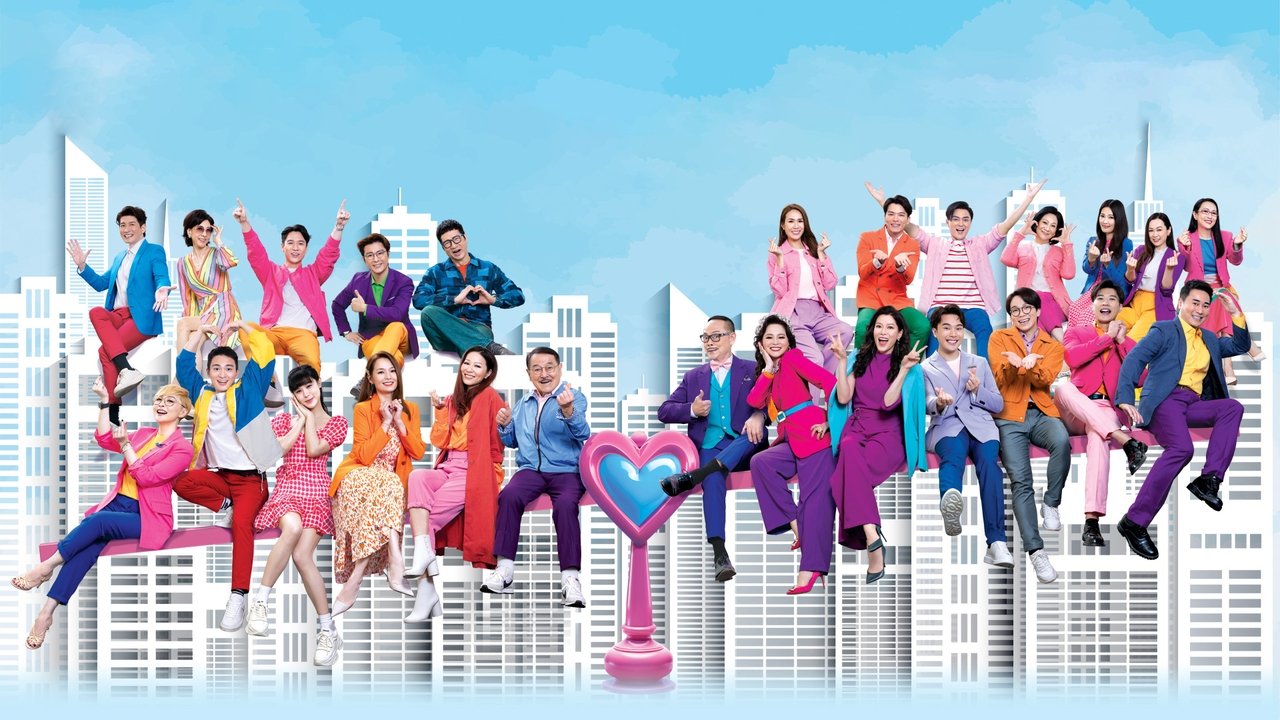
With a rating of 5.4 from 48 votes, the 2017 family comedy drama directed by Luo Zhen Yue sits in modest territory. That number, however, does not capture the show's consistent tone for viewers who prefer gentle television. The cast led by Danny Lau Dan, Pal Sinn Lap-Man, Joyce Tang Lai-Ming, Koni Lui, Stanley Cheung, Angela Tong Ying-Ying, Kalok Chow, and Gu Pui Ling brings familiar faces to the sitcom format. If you measure worth by warmth rather than intensity, the series delivers.
Its blend of family, comedy, and drama aligns with the heartwarming tag, and the ethical questions keep it from feeling weightless. The director balances broad humor with pauses that let emotional stakes register. For a free streaming blog audience, the accessibility of the plot is a strength.
Critics might note the rating reflects limited exposure rather than quality deficit. The show's reliance on ensemble timing means it improves as you recognize patterns. In that sense, its real value is replay comfort, not shocking twists.
Come Home Love: Lo and Behold FAQ
- Who directs the show? Luo Zhen Yue helms the 2017 production, balancing comedic timing with dramatic pauses.
- What is the main setting? The story orbits a logistics company and the home of Hung Sue Gan, whose daughters provide most of the conflict.
- Is the ending resolved? Yes, the strange events are traced to Lung Ging Fung, and the family absorbs the revelation in a heartwarming manner.
- Which genres define it? Family, Comedy, Drama, with a sitcom skeleton and ethical undertones.
- Does the finale include funny moments? Absolutely, the sibling arguments and former-lover encounters keep the closing light even as the investigation concludes.
The combination of these elements makes the finale satisfying for patient viewers. The funny scenes and the closing explanation together form a coherent arc that respects the audience's time. Whether you arrived for the family angle or the comedy, the ending offers a tidy bow without abandoning the show's gentle pulse.