Columbo (1971): The Detective They Underestimate at Their Peril
Columbo is a shabby detective whose quiet brilliance catches every killer off guard.
October 20, 2026
The Ending, Explained
When people search for Columbo ending explained, they usually expect a twist reveal in the final minutes. That expectation misses how the show actually works. The closing stretch of a Columbo story is rarely about discovering who committed the murder. By the time the last act arrives, the audience and the detective already know the culprit. What remains is the slow, deliberate process of proving it.
The series follows a friendly, verbose, disheveled-looking police detective who is consistently underestimated by his suspects. His apparent absentmindedness hides a shrewd mind. The final scenes show him gathering the last pieces of evidence needed for indictment, often through one more casual question that the killer answers without realizing the trap.
What Happens
To understand what happens at the end of Columbo, it helps to remember the structure. A crime occurs, usually committed by someone wealthy or respected. The suspect believes they have covered their tracks. Columbo then enters, seeming harmless and easily dismissed.
Over the course of the case, his formidable eye for detail and meticulously dedicated approach become clear only late in the storyline. The ending is the moment when the suspect understands they have been caught not by luck but by patient observation. The detective produces the evidence, often something small the killer overlooked, and the arrest follows.
If you enjoy this kind of slow-build criminal investigation, you may also like Vera, which features another investigator who notices what others miss.
The Meaning Behind the Ending
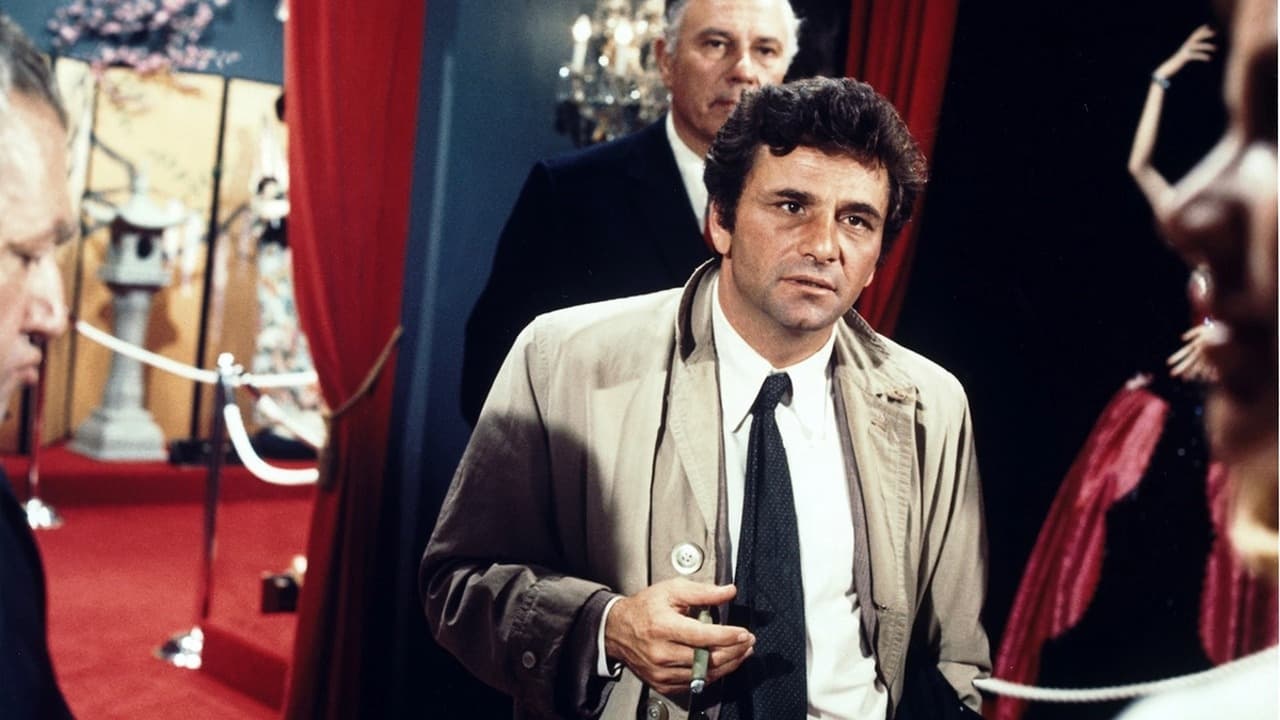
The Columbo ending meaning is tied to the gap between appearance and reality. The detective looks unprepossessing in his raincoat, driving a modest Peugeot, walking a basset hound. Suspects read these traits as weakness. The conclusion of each case reverses that reading. The person who seemed least capable is the one who secured the indictment.
This is also why a proper Columbo finale breakdown should focus on theme rather than plot surprise. The finale is not a twist; it is a confirmation. The murderer's confidence is revealed as arrogance, and Columbo's modesty is revealed as strategy. That reversal is the point.
Themes You Might Have Missed
Beyond the murder investigation itself, the show quietly studies class and ego. Many killers are people of status who assume a homicide detective from a different social world cannot match them. The series repeats this pattern to show how affectation protects criminals from suspicion longer than it should.
Another theme is persistence. The homicide investigation proceeds through small steps: a question, a return visit, a note in a notebook. Columbo explained in this light is less a character study of one man and more a demonstration of how thorough police work succeeds when shortcuts fail.
Viewers who like older procedural formats might appreciate Barnaby Jones, a contemporary series built around methodical deduction rather than action.
What We Think of Columbo
The rating sits at 8.065 out of 10 from 874 votes, which reflects steady affection rather than hype. Peter Falk's performance anchors everything. He makes the detective's chattiness feel natural, so the suspects talk too much. That dynamic is the engine of every solved case.
We think the show's strength is restraint. It does not need a shocking final image. The pleasure comes from watching an underestimated police detective slowly assemble a flawless argument. By the end, the viewer feels the same quiet satisfaction the detective hides behind polite confusion.
For those comparing TV detectives across decades, Homicide: Life on the Street offers a grittier but similarly character-driven look at investigative work.
Columbo in Short
Columbo belongs to the crime, drama, and mystery genres. Its tagline, "Oh, just one more thing...", captures the method perfectly. The detective appears to wander off topic, then lands the question that ends the case. His basset hound, raincoat, and Peugeot are not jokes; they are part of a disguise that the guilty never see through until it is too late.
In short, the series is about a homicide investigation where the outcome is never in doubt but the path is the pleasure. The ending confirms what the audience has sensed: the unimposing man in the worn coat was always the smartest person in the room. That is the whole design, and it is why the format still rewards rewatching.