Cococinel (1992): A Ladybug Sister Duo Battling Mind Control
Cococinel (1992) follows a ladybug superheroine and her sister as they fight mind-controlling villains while attending school.
October 30, 2026
The Ending, Explained
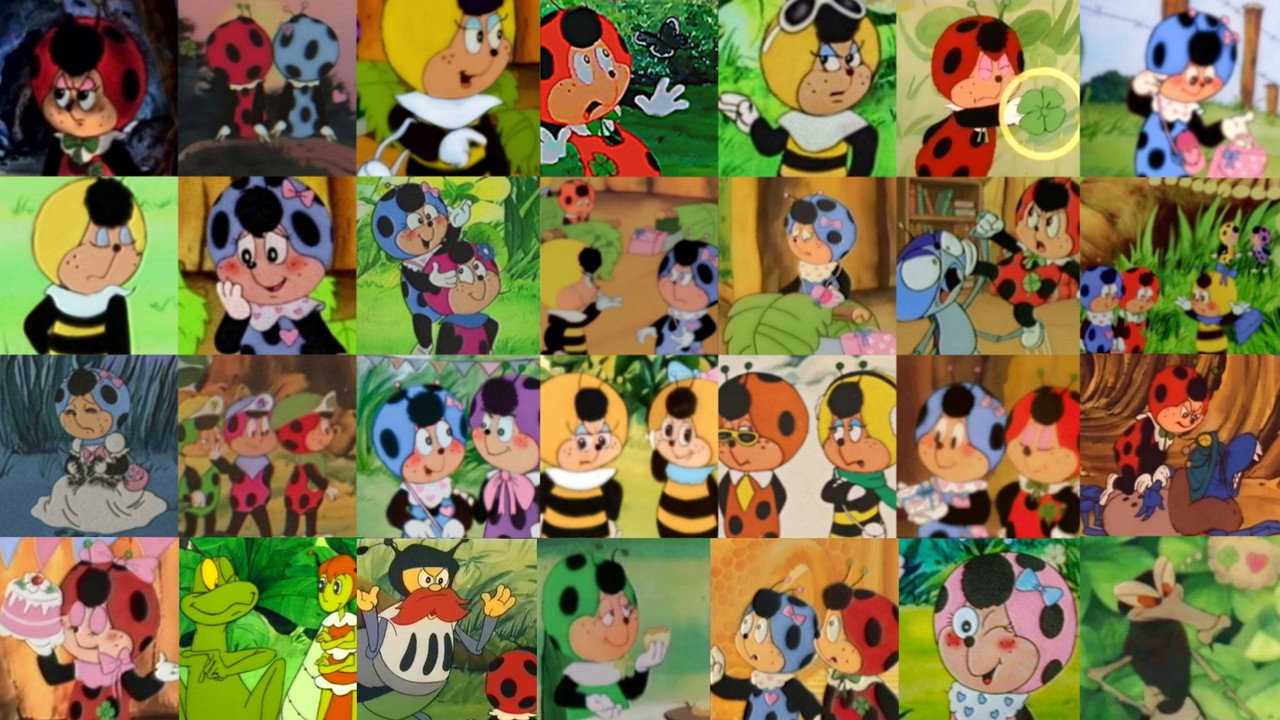
Many fans have requested a thorough Cococinel ending explained breakdown, especially since the final stretch of episodes balances action with quiet character moments. The series does not rely on a shocking twist in its closure; instead, it shows the sisters learning to live with their dual identities as students and protectors. This approach rewards patient viewing because the conclusion feels earned rather than abrupt.
From the outset of the last season, the Cococinel ladybug superhero continues to defend her community using the magical clover that started her journey. We see her cold demeanor soften as school routines intersect with superhero duties. The narrative avoids spoiling the early act by focusing on how established relationships evolve under pressure from villains like Hylobie.
If you enjoy gentle fairy-tale structures in other shows, you might also like Ben & Holly's Little Kingdom, which also blends tiny magical creatures with everyday lessons for younger audiences.
The backdrop of ecology and animal friendship remains present, yet the final chapters emphasize personal choice. Cococinel's distance from romantic entanglements contrasts with her sister's openness, painting a nuanced picture of sibling variation.
What Happens
To understand what happens at the end of Cococinel, we should look at the second season's configuration. Babicinel arrives with her own amulet, and together the siblings confront Hylobie, a villain who manipulates minds through black butterflies. The bee Levallois provides ongoing rivalry that keeps tensions high without overwhelming the milder school scenes.
Without spoiling the early setup, the concluding episodes portray Babicinel's affection for Cocometeo while Cococinel remains distant. Their ability to maintain school life alongside crime-fighting forms the practical resolution. The short film format of these later chapters, each around ten minutes, allows tight emotional beats that respect a child's attention span while still feeling complex.
For viewers who appreciate stories about headstrong youngsters, Tootuff offers a comparable mix of humor and heart, though its setting is more grounded in playground politics than magical quests.
We also observe that the magical clover and pendant are not mere props; they signal a transfer of responsibility. The heroes learn that saving the day is only part of their job, with the other part being attendance and kindness in class.
The Meaning Behind the Ending
The Cococinel ending meaning is rooted in the idea that heroism does not erase ordinary struggles. By showing the characters juggling textbooks and amulets, the writers affirm that growth comes from balance rather than grand victories alone. This message lands gently, never preached, which is a credit to the show's educational slant.
When we have the wider narrative Cococinel explained, it becomes clear that the magical items are metaphors for responsibility. The clover and sister's pendant grant power but also demand maturity, a theme that resonates with the show's young audience and with adults revisiting the series. The closure suggests that identity is built through daily actions, not just costumes.
Fans of enchanted jewelry and team dynamics should explore W.I.T.C.H., a series that similarly connects mystical objects to personal development and friendship across boundaries.
Another layer is the environment motif. Even as the final act resolves personal arcs, the characters continue to admire the natural world, reinforcing the ecological keyword without heavy-handed dialogue.
Themes You Might Have Missed
Beyond the obvious ecology messages, the program touches on friendship, anthropomorphism, and admiring the natural world. Its educational stance never feels forced because the animal characters model curiosity. The word "shocking" may apply to Hylobie's mind-control plots, yet the overall tone stays supportive and warm.
Complex emotions such as identity crises appear in the background, particularly when Babicinel navigates first love with Cocometeo. The cartoon's environment focus pairs with subtle lessons about coexistence, making it more than a simple kids' diversion. Viewers who look closely will notice that the rivalry with Levallois the bee is less about hatred and more about misunderstood competition.
Magic in this universe is treated as a tool for learning. The sisters' amulets teach them about consequence, and the show's short film rhythm lets each lesson land quickly. This structure is part of why the series feels both brisk and thoughtful.
Cococinel: What We Thought
Our impression is that this 1992 production deserves more attention than its two recorded votes suggest. With a tagline like "La bébête à bonheur," it wears its cheerful mission openly. The rating of 7.0 out of 10 feels modest given the layered storytelling present in later arcs, though we respect the small sample size.
While the first season carries a lighter charm, the sophomore run elevates the material through concise episodes and deeper interpersonal stakes. It is a short film style adventure that respects its viewers' intelligence. The combination of comedy, drama, and sci-fi fantasy elements creates a blend not often seen in children's animation of that era.
We also appreciated the voice work from the cast, including Lorette Goosse and Georgia Valmont, who give the insect heroines distinct personalities. The writing never talks down to kids, which is a rare quality.
Cococinel Summary
In summation, the show follows a ladybug who gains superheroine status via a magical clover, later joined by her sister. Together they face mind-bending villains, school pressures, and personal revelations. The cast includes Lorette Goosse, Georgia Valmont, Patrick Poeks, Michel de Warzee, Daniel Dury, Sabrina Leurquin, Sylvain Goldberg, and Catherine Conet, all contributing to a lively ensemble.
Genres span animation, comedy, kids, action, drama, and sci-fi fantasy. Though brief in runtime per episode, the narrative leaves a lasting impression about magic, animals, and environment. We hope this breakdown helps you appreciate the finale's quiet strength and encourages you to revisit a hidden gem from the early nineties.