Chihayafuru (2011): From Sister's Shadow to Karuta Ambition
Chihayafuru (2011) shows Chihaya chasing a karuta dream while hoping to meet her separated friends again.
October 24, 2026
The Ending, Explained
When a series leaves its protagonist still reaching for a dream, audiences naturally seek a thoughtful Chihayafuru ending explained that respects the journey. The final stretch of this animation drama does not tie every thread with a neat bow. Instead, it shows a young woman who has spent years honing her skills in a competitive card game, yet remains apart from the companions who once shared her ambition. We see her in high school, committed to karuta, and holding onto the hope of a future reunion. This article will break down that conclusion without revealing the earliest chapters of her life, so newcomers can still enjoy the discovery.
The production stands as an animation and drama hybrid, earning a modest 7.609 out of 10 across 69 community votes. That score reflects its niche appeal rather than any weakness in storytelling. Because the show adapts a manga, it inherits a patient cadence, letting the final act breathe. Our breakdown focuses only on the later chapters, ensuring that the first act's introductions remain untouched for first-time viewers.
What Happens
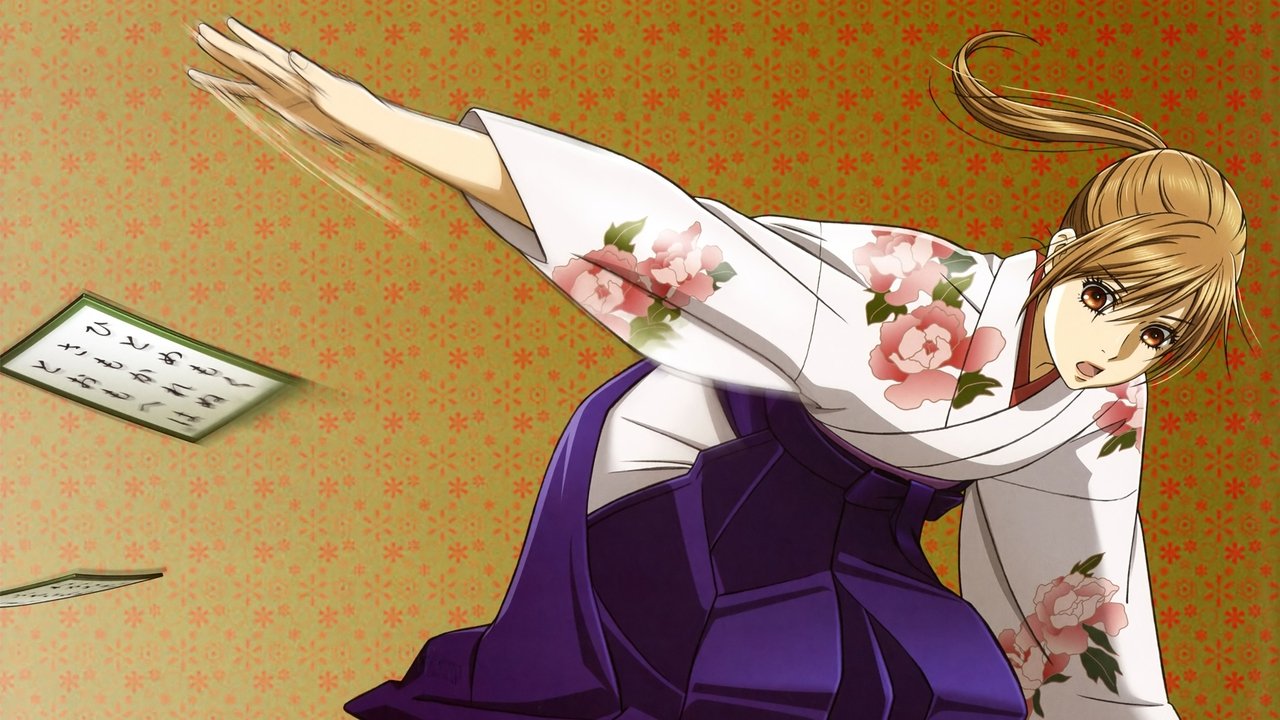
To understand the closure, we should look at what happens at end of Chihayafuru as the narrative settles. The story presents Chihaya Ayase as a high school student who continues to play karuta, a card game. She is no longer side by side with the friends who trained alongside her during earlier years; circumstance has placed distance between them. Rather than abandoning the sport, she persists, motivated by the possibility that she will eventually cross paths with those missing peers again. The screen does not deliver a dramatic tournament victory or a final match outcome; it rests on her ongoing practice and quiet determination.
Karuta, the card game at the center, demands dedication. Chihaya's continuation of this sport in high school illustrates the theme of training as a lifelong practice. Though the plot summary notes she was once separated from her karuta playing friends, the ending finds her alone but not isolated; the game connects her to a wider community. We do not witness a definitive match result, which keeps the focus on internal state rather than external trophy.
The Meaning Behind the Ending
Interpreting the Chihayafuru ending meaning asks us to consider what persistence represents in a coming-of-age tale. Chihaya's choice to keep competing in a niche card game speaks to her identity as a strong woman who defines success on her own terms. The separation from her friends is not framed as failure but as a natural part of growing up. By showing her still training in high school, the narrative honors the theme of unrequited love and distant romance indirectly, through longing for companionship as much as for victory. The conclusion suggests that maturity is not about arriving at a destination but about remaining faithful to a passion despite loneliness.
Several layers emerge when we reflect on the closing moments:
- The strong woman theme is fulfilled by her refusal to quit after separation.
- Growing up is shown as acceptance of change, not resistance to it.
- Unrequited love and distant romance color her longing for lost companions.
- The coming-of-age arc settles on self-defined purpose.
Themes You Might Have Missed
A full Chihayafuru explained overview should highlight the quieter motifs woven into the final act. The series is based on a manga and carries a slice-of-life texture, meaning small moments carry weight. Competition here is not only against opponents but against time and distance. Training becomes a metaphor for personal growth, while high school settings ground the fantastical dedication in relatable routine. Viewers who enjoy character-driven drama may also appreciate Sweet Blue Flowers, which explores female relationships with similar sensitivity. Another layered show about school-age ambition is 2.43: Seiin High School Boys Volleyball Team, where teamwork and separation shape the emotional arc.
Slice of life elements mean the ending does not need a twist to feel complete. The ordinary act of a student playing cards after class becomes profound because we know her history. Female protagonist narratives often emphasize relational bonds, and here the bond is temporarily broken yet alive in memory. The manga source provides a structure where small victories matter.
Chihayafuru: The Bottom Line
The Chihayafuru final scene leaves a lasting impression because it trusts the audience to find resolution in uncertainty. Chihaya is shown immersed in her card game, surrounded by the rhythms of high school life, yet mentally reaching toward friends she has not seen. This image encapsulates the female protagonist's resilience and the gentle romance of unfulfilled expectation. For those who want a different flavor of high school emotion, School Days offers another perspective on young love and its consequences. Overall, the ending does not shout; it whispers that dedication and hope are themselves a kind of victory.
Performances by Asami Seto, Mamoru Miyano, and Yoshimasa Hosoya lend the final scenes a tender realism. Their voices carry the hesitation and hope of youth. While the show avoids spoiling its opening, it rewards patience with a meditation on loyalty to a craft.
Chihayafuru in Short
Summarizing the experience, we have a drama about a girl who becomes a serious karuta player, faces separation, and keeps striving into her teen years. Themes of growing up, training, and quiet romance permeate the story. With a rating of 7.609 from a small voter pool, it remains a hidden gem for fans of animation that prizes character over spectacle. The voice cast includes Asami Seto, Mamoru Miyano, and Yoshimasa Hosoya, bringing depth to the coming-of-age mood. Whether you arrived for the card game or the emotional pacing, the final act rewards patience with authenticity.
Key takeaways for new viewers:
- A high school setting frames a personal quest in a card game.
- Competition is paired with emotional distance from friends.
- The conclusion values persistence over resolution.