Chicago Typewriter (2017): Reincarnated Writers Reunite
A bestselling author in a slump, a mysterious ghostwriter, and an anti-fan are reincarnations of 1930s writers under Japanese rule.
October 24, 2026
The Ending, Explained
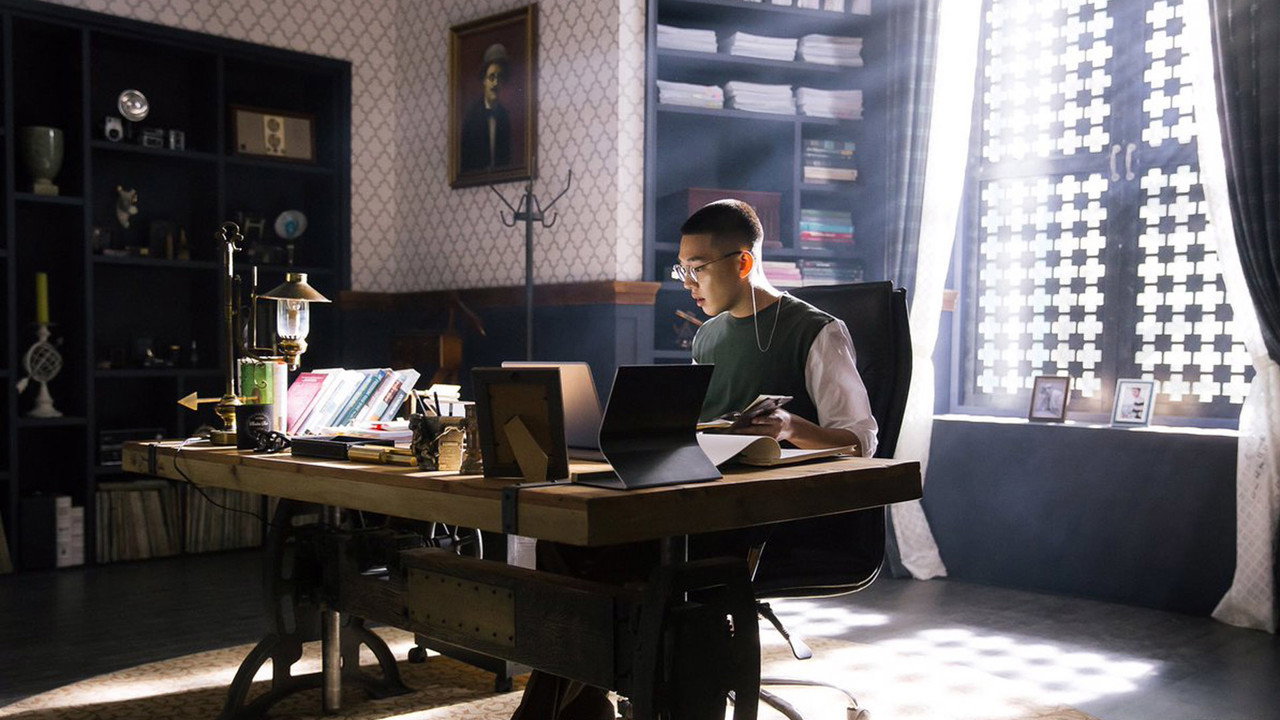
Chicago Typewriter is a 2017 South Korean television experience that blends sci-fi and fantasy with deep dramatic resonance. Directed by Kim Cheol-kyu, the series carries a modest but devoted rating of 8.0 out of 10 from forty-eight votes, and its tagline promises "The miracle of love that began with an old typewriter." Without walking through the early setup, we can safely say that the story revolves around three modern figures: a bestselling author battling a creative block, a secretive ghostwriter, and a devoted anti-fan. These people are linked to a circle of writers who lived under Japanese rule in the 1930s, and their bonded souls resurface across decades. The closing stretch, Chicago Typewriter ending explained, brings the reincarnated writers full circle. By the final act, the show stops hinting and starts confirming how the past shapes the present.
The last episodes focus on emotional closure rather than twist reveals. Viewers who have followed the supernatural thread will see that the old typewriter itself acts as a bridge between eras. The miracle mentioned in the tagline is not a literal spell but a quiet reunion of spirits who once fought with words during a period of occupation and rebellion. Because the first act remains unspoiled here, we will only note that the conclusion honors the sacrifices of the earlier lifetime while giving the current characters a chance to choose a softer fate.
What Happens
The narrative builds toward a calm but powerful finale. The epilogue, what happens at the end of Chicago Typewriter, offers a quiet resolution for the three connected lives. The bestselling writer, the ghostwriter, and the anti-fan each confront the echoes of their 1930s counterparts. Flashbacks that have peppered the runtime gain new context, showing that friendship and bromance across the centuries were always the anchor. The tragic past of the Japanese occupation of Korea is not erased, but its weight is lifted through acceptance and the enduring power of writing.
In practical terms, the ending does not rely on a convoluted time paradox. Instead, the characters acknowledge who they were and who they have become. The supernatural elements settle into a gentle reality where love and loyalty outlast political oppression. A viewer expecting a bombastic climax may be surprised by the restrained tone, yet the payoff feels earned because the series spent its middle stretch developing the bond between the reincarnated souls.
The Meaning Behind the Ending
Beyond the surface, the finish carries thematic weight. The symbolism, Chicago Typewriter ending meaning, points to healing after a tragic past. The old typewriter is a token of resistance from the 1930s, when words were a form of rebellion against occupiers. In the present, it becomes a tool for reconciliation. The miracle of love referenced in the tagline is less about romance alone and more about the friendship that survives reincarnation, loss, and separation.
We can read the final act as a statement that writers carry responsibility. The 1930s authors used their craft to oppose injustice; their modern incarnations rediscover that purpose through personal struggle. The ending suggests that creativity blocked by slump or fear can be unlocked when one remembers the larger community. That is why the show, though formatted as a fantasy drama, feels grounded in historical memory.
Themes You Might Have Missed
A second viewing reveals layered motifs. The narrative device, Chicago Typewriter time travel, works through souls returning rather than machines. This subtle approach means the supernatural never overshadows the human story. Reincarnation is treated with restraint, allowing friendship, romance, and bromance to develop naturally in the present day while flashbacks fill in the missing pieces of the tragic past.
Another overlooked thread is rebellion. The occupation era backdrop is not just set dressing; it informs the characters' stubbornness and their need to protect one another. The theme of writer identity also runs deep: each central figure grapples with what it means to put words into the world. Even the anti-fan, positioned as an adversary early on, is eventually revealed as part of the same spiritual cohort. The show trusts its audience to piece together these connections before the finale makes them explicit.
Fans of character-driven supernatural romances may also enjoy other titles on our platform. If you like stories of unexpected connections, The Wallflower offers a different but equally charming take on personal transformation.
Is Chicago Typewriter Worth Your Time?
The series earns its 8.0 rating by balancing genre elements with sincere emotion. Viewers who prefer straightforward historical drama might find the reincarnation premise unusual, but those open to sci-fi and fantasy will appreciate how the show weaves the Japanese occupation of Korea into a personal tale. The cast, including Yoo Ah-in, Im Soo-jung, Go Kyung-pyo, Kwak Si-yang, Jo Woo-jin, Oh Na-ra, Yang Jin-sung, and Jeon Soo-kyung, brings texture to the dual timelines.
Because the ending prioritizes meaning over spectacle, the show feels complete rather than rushed. If you value stories where romance and bromance coexist with a meditation on resistance, this is a strong candidate for a weekend binge. The modest vote count suggests it remains a hidden gem rather than a mainstream hit, which often means a fresher experience for newcomers.
For those who enjoy mysterious identities, A Familiar Stranger is a 2022 release that shares a reflective tone and a focus on concealed connections.
Chicago Typewriter Cheat Sheet
The series, Chicago Typewriter explained, blends romance and supernatural lore with a historical core. Below is a quick reference for new viewers:
- Director: Kim Cheol-kyu
- Genres: Sci-Fi & Fantasy, Drama
- Rating: 8.0/10 (48 votes)
- Tagline: The miracle of love that began with an old typewriter
- Central cast: Yoo Ah-in, Im Soo-jung, Go Kyung-pyo, Kwak Si-yang, Jo Woo-jin, Oh Na-ra, Yang Jin-sung, Jeon Soo-kyung
- Core themes: reincarnation, friendship, supernatural, romance, flashback, rebellion, bromance, writer, tragic past, japanese occupation of korea
For a broader sci-fi backdrop, Colony explores resistance themes that echo the occupation era depicted here.
Whether you arrived curious about the finale or the premise, the show stands as a thoughtful meditation on how words outlive the people who write them. The old typewriter may be a simple object, but in this story it carries the weight of decades and the hope of reunion.