Chicago Med (2015): An Emotional Thrill Ride Through the ER
Chicago Med (2015) is a medical drama that follows courageous doctors navigating daily chaos and fiery relationships in a Chicago emergency room.
October 21, 2026
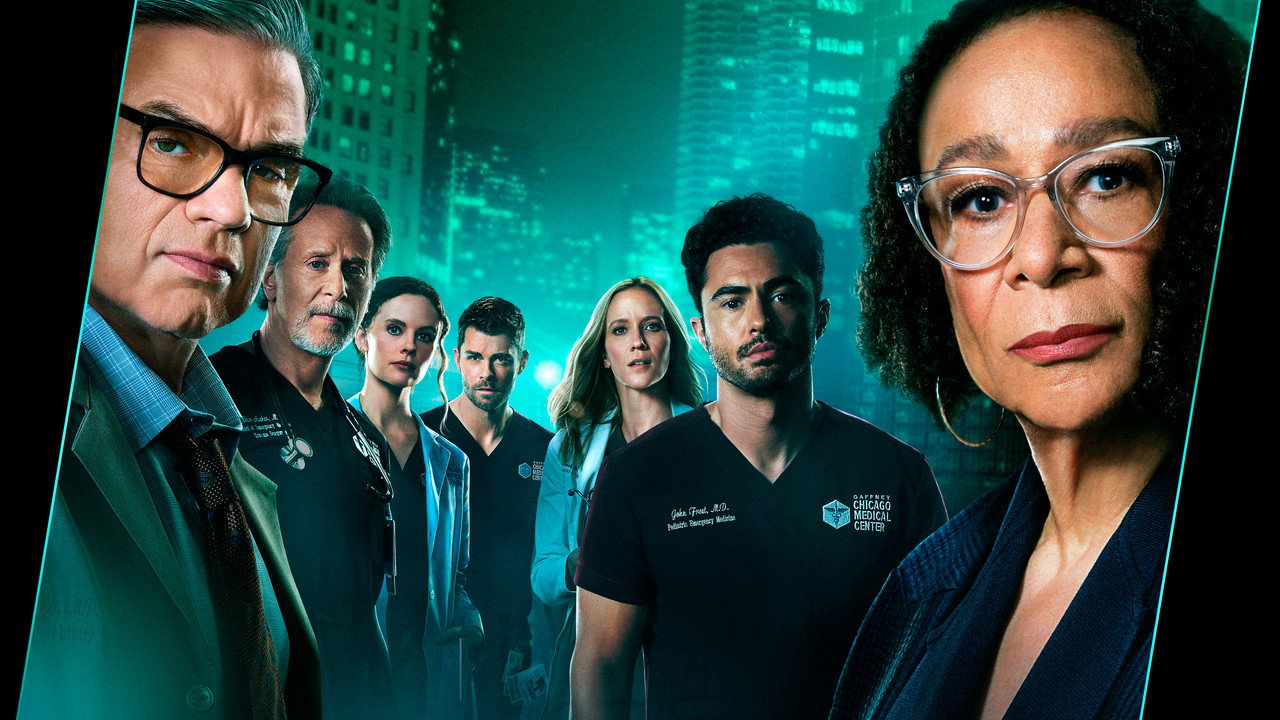
The Ending, Explained
The closing chapters of this medical drama invite a closer look at how the ensemble concludes their shifts. The drama, Chicago Med 2015, depicts a Chicago hospital where doctors and nurses face daily turmoil. Across its run, the show earned a strong audience score of 8.256 out of 10 from over twelve hundred voters, reflecting how many viewers connected with the pulse-pounding pandemonium of the ER. Without revealing the early setup, we can say the final act pays off the tagline "Welcome home" by showing the facility as the anchor for every character. The emotional thrill ride through the day-to-day chaos never loses momentum, and the courageous team of doctors who hold it together remains the heart of the story.
Those who enjoy a connected television universe might also appreciate The Knick, a period medical series that similarly explores the pressures inside a hospital. While the settings differ, both programs highlight the emotional toll on caregivers and the weight of impossible decisions. Watching the older institution contrast with the modern Chicago setting can deepen one's appreciation for how far emergency medicine has evolved.
As we move toward the finale, the writing emphasizes fiery relationships forged under stress. The courageous team of doctors and nurses never loses sight of the patients arriving from across Illinois. This approach makes the last episodes feel like a reunion rather than a shutdown. The series balances high-intensity procedures with personal lives, yet it never forgets that the emergency room is a place where strangers become family within minutes. The final stretch reinforces that the hospital is more than a building; it is a living entity sustained by the people inside it.
What Happens
To understand the climax, we should consider the scene where the climax, what happens at the end of Chicago Med, gathers the main cast into a unified response to a high-intensity situation. The concluding storyline brings Steven Weber, Jessy Schram, Luke Mitchell, Sarah Ramos, Darren Barnet, S. Epatha Merkerson, and Oliver Platt into a shared moment of crisis. Their roles as nurses and physicians blend as the emergency room faces one more wave of topical events-inspired cases. The show avoids neat resolutions for every patient, instead highlighting the bonds that keep the unit functioning when the city outside grows louder.
The spin-off, Chicago Med explained, works best when viewed as a character study rather than a strict procedural. In the final hours, the doctors tackle unique new scenarios that test their moral compass. They will forge fiery relationships in the pulse-pounding pandemonium of the emergency room, just as the premise promised. The absence of a conventional twist does not weaken the impact; rather, it allows the audience to sit with the realization that survival is its own victory. The day-to-day chaos of the city's most explosive hospital finds a calm center in the staff's unwavering presence.
Fans of ensemble hospital tales may want to stream New Amsterdam, which also follows a group of medical professionals navigating systemic challenges. Both shows share a belief that the workplace can become a family. Where the Illinois setting of our featured drama grounds the story in Midwest reality, the other program uses a different metropolitan canvas to paint similar strokes of resilience. Either way, the focus stays on human endurance.
The Meaning Behind the Ending
The theme, Chicago Med ending meaning, reflects the idea that home is not a building but the people who sustain each other. By the final scene, the tagline "Welcome home" echoes as the staff realizes the chaotic ER is where they belong. The ending does not rely on a reveal; it rests on the emotional truth that the team has become each other's constant in a city as vast as Chicago, Illinois. The courageous doctors who hold it together prove that a medical drama can be hopeful without ignoring the cost of care.
Through the last act, the series underscores the resilience of frontline workers. The doctors and nurses do not suddenly change; they simply affirm the choices they have made across countless shifts. That quiet confirmation is the real payoff for longtime viewers. When the camera lingers on the emergency room after the last patient is seen, the message is clear: the pulse-pounding pandemonium is not an enemy but a rhythm. The hospital remains a place of refuge for those who work within it, and the topical events that inspired cases throughout the run fade into background noise against the strength of community.
Themes You Might Have Missed
Beyond the obvious medical emergencies, the program weaves smaller motifs. The word "nurse" appears not just as a job title but as a symbol of steadiness when the room spins out of control. Likewise, the setting of Chicago, Illinois, serves as more than a backdrop; it represents a community that feeds the hospital with endless stories. The label "spin off" might suggest a lesser sibling, yet this drama stands on its own emotional weight. Themes of doctor loyalty and hospital politics intertwine without overshadowing the human moments.
Another layer is the friction between personal lives and professional duty. The fiery relationships mentioned in the premise are not only romantic; they include mentorships and rivalries that shape patient care. When the final act arrives, those connections explain why the group holds together despite the pandemonium. The emotional thrill ride through the day-to-day chaos becomes a meditation on trust. A doctor's decision is only as strong as the nurse who implements it, and the show honors that partnership in its closing beats.
Viewers who crave more contemporary medical settings can try Doctor Odyssey, a recent series that also drops its cast into high-stakes health crises. The link between such shows is the focus on human endurance. While the newer title brings a different tone, the core idea that a hospital can be a home persists. Streaming one after the other creates a satisfying marathon of caregiver stories.
Chicago Med: Our Final Verdict
Our breakdown leaves little doubt about the show's place among streaming favorites. The article subject, Chicago Med ending explained, becomes clear when you accept that closure comes from continuity rather than conclusion. With a rating near 8.3 from a dedicated voter base, the program proves that day-to-day chaos can be compelling when the characters feel real. The final act does not abandon the formula that worked; it distills it into a pure expression of the tagline "Welcome home."
We recommend the series for anyone who values performances from veterans like S. Epatha Merkerson and Oliver Platt. Their presence adds nuance to the moral dilemmas that define the ER. The show's ability to forge fiery relationships in pulse-pounding pandemonium makes the final episode a satisfying return to the hospital's open doors. New viewers arriving via the 2015 release will find a complete emotional arc that respects their time. The courageous team of doctors who hold it together ensures that no one leaves the table feeling shortchanged.
Chicago Med Cheat Sheet
For quick reference, note these points: the title is Chicago Med (2015); the genre is drama with medical tones; the tagline is "Welcome home"; the main ensemble includes Steven Weber, Jessy Schram, Luke Mitchell, Sarah Ramos, Darren Barnet, S. Epatha Merkerson, and Oliver Platt; the plot centers on an emotional thrill ride through a city's most explosive hospital. Themes cover nurse, doctor, hospital, Chicago, Illinois, spin off, and medical drama. The audience score stands at 8.256/10 across 1284 votes. The series tackles unique new cases inspired by topical events and builds fiery relationships in the pulse-pounding pandemonium of the emergency room.
Whether you arrive for the cases inspired by topical events or stay for the courageous team of doctors, the experience is a steady stream of emotion. The final act, as we have discussed, honors the idea that the ER is a home worth defending. From the first shift to the last, the program remains a compelling portrait of modern caregiving in the Midwest.