Chicago Fire (2012): Courageous Heroes of Firehouse 51
An edge-of-your-seat drama following the brave firefighters, paramedics, and rescue squad of Chicago Firehouse 51 as they face danger to save lives.
October 18, 2026
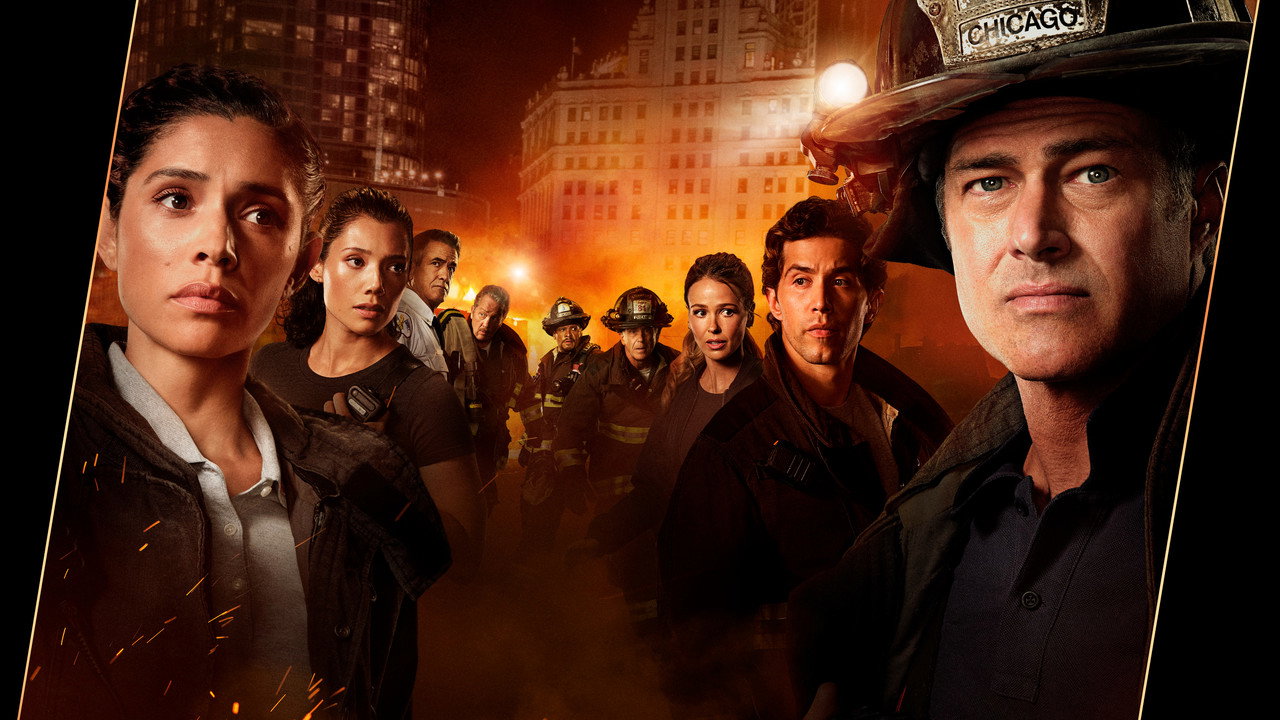
The Ending, Explained
When audiences look for a clear summary, Chicago Fire explained begins with the simple premise of brave workers at a busy rescue station. The show paints an edge-of-your-seat portrait of everyday heroes who run toward danger while others flee. Set in the Illinois city that gives the program its name, the drama follows the firefighters, rescue squad, and paramedics attached to a specific group of professionals. The tagline "Welcome home" hints at the comfort found among colleagues who become family.
The Chicago Fire ending explained in this article covers the later chapters rather than the opening episodes. Without revealing the first act, we can say that the series evolves from straightforward emergency response tales into a deeper study of personal bonds. The final stretch of seasons rebalances the narrative, placing equal weight on the private lives of the crew and their public duties. This shift does not diminish the danger; instead, it frames each alarm within a human context.
For viewers who enjoy workplace tension mixed with legal drama, The Good Fight presents a similarly engrossing ensemble of professionals facing ethical crossroads.
What Happens
Many fans pause at the later timeline and ask what happens Chicago Fire ending during the years after the initial run. The answer lies in a gradual change of spotlight. Earlier storytelling kept the cameras mostly on extinguishers, ladders, and medical saves. As the program matured, writers devoted more minutes to romances, friendships, and household struggles. Characters like Hermann and his supportive spouse Cindy anchored the early tone with strong principles, while later pairs such as Brett and Casey (often called Brettsey by fans) showed a healthier two-way partnership that survived temporary separations.
Some relationship arcs drew mixed reactions. The connection between Kidd and Severide felt, to a portion of the audience, written to appeal to a narrow viewership, whereas the bond between Mouch and Trudy always landed as lighthearted relief. A significant loss occurs when Otis dies; the event carries weight for a few episodes, though some felt his prior role had been underused. Cruz and Chloe brought warmth in the middle era. After the ninth season, external changes like an actor departure prompted a skip ahead by some viewers, and the thirteenth season introduced a fresh chief, new paramedics, and a previously unseen brother for Severide, signaling a restart tone.
- The early seasons highlight fireground action and community sacrifice.
- The middle seasons deepen character relationships and personal growth.
- The later seasons reorganize the house with new faces and refreshed dynamics.
The Meaning Behind the Ending
Beyond plot mechanics, the Chicago Fire ending meaning resides in the enduring idea of belonging. The constant through-line is that the station is more than a workplace; it is a refuge. When the final acts emphasize personal commitments alongside emergency calls, the message becomes clear: heroism is sustained by the people who wait for you at the base. The bittersweet exits and new arrivals illustrate that a house can keep its soul even as its occupants change.
If you appreciate tense narratives about pursuit and survival, Stalker delivers a darker corollary to the protective themes found here.
Themes You Might Have Missed
While watching the alarms and rescues, it is easy to overlook subtle motifs. The Chicago Fire house 51 crew operates within a framework of public service that touches crime investigation when accidents reveal foul play. The paramedic side of the operation underscores how medical skill saves lives minutes after the flames are beaten. Illinois geography roots the stories in a real urban landscape, and the fire brigade ethos teaches discipline without erasing individuality.
Another layer is the contrast between stress and reward. The courageous men and women forge headfirst into danger, yet the exhilaration of a saved life balances the trauma. This duality is the quiet lesson of the entire run. For those who want a courtroom-adjacent perspective on public duty, Presumed Innocent mirrors the moral weight carried by civil servants.
Our Take on Chicago Fire
With a rating near eight point four out of ten from thousands of votes, the series earns its loyal following. We find the ensemble led by performers like Taylor Kinney, David Eigenberg, Christian Stolte, and Miranda Rae Mayo creates a believable shift rhythm. The show’s greatest strength is its ability to make ordinary tasks feel monumental. Even when the writing leans toward soap opera in places, the core respect for the profession never wavers.
The first three seasons deliver the most concentrated firefighting spectacle, while the stretch from roughly season four to six offers some of the most satisfying relationship writing, especially for fans of equal partnerships. The later reboot-like atmosphere of season thirteen may divide longtime viewers, but it also opens the door for newcomers who want a fresh entry point.
Chicago Fire Highlights
Certain moments stand out across the long broadcast. The episode titled A Coffin That Small moved many with its depiction of sacrifice and community grief. Hermann’s unwavering stance during tough calls, backed by Cindy’s steady presence, remains a template for integrity. Mouch and Trudy’s scattered scenes are reliable bright spots. Brettsey’s mutual care in the middle seasons proves that the show can write romance without one-sided strain. Cruz and Chloe’s arc adds gentle optimism.
- The foundational rescue footage that establishes the daily risk.
- The character-driven mid-period that balances love and duty.
- The revised lineup in later seasons that resets the family feel.
Overall, the program invites us to consider what it means to answer the call. Whether you start at the beginning or jump in at a later shift, the heartbeat of the station stays constant: service, survival, and the welcome home that waits at the end of every run.