Cheers (1982)
The story about a blue-collar Boston bar run by former sports star Sam Malone and the quirky and wonderful people who worked and drank there.
October 25, 2026
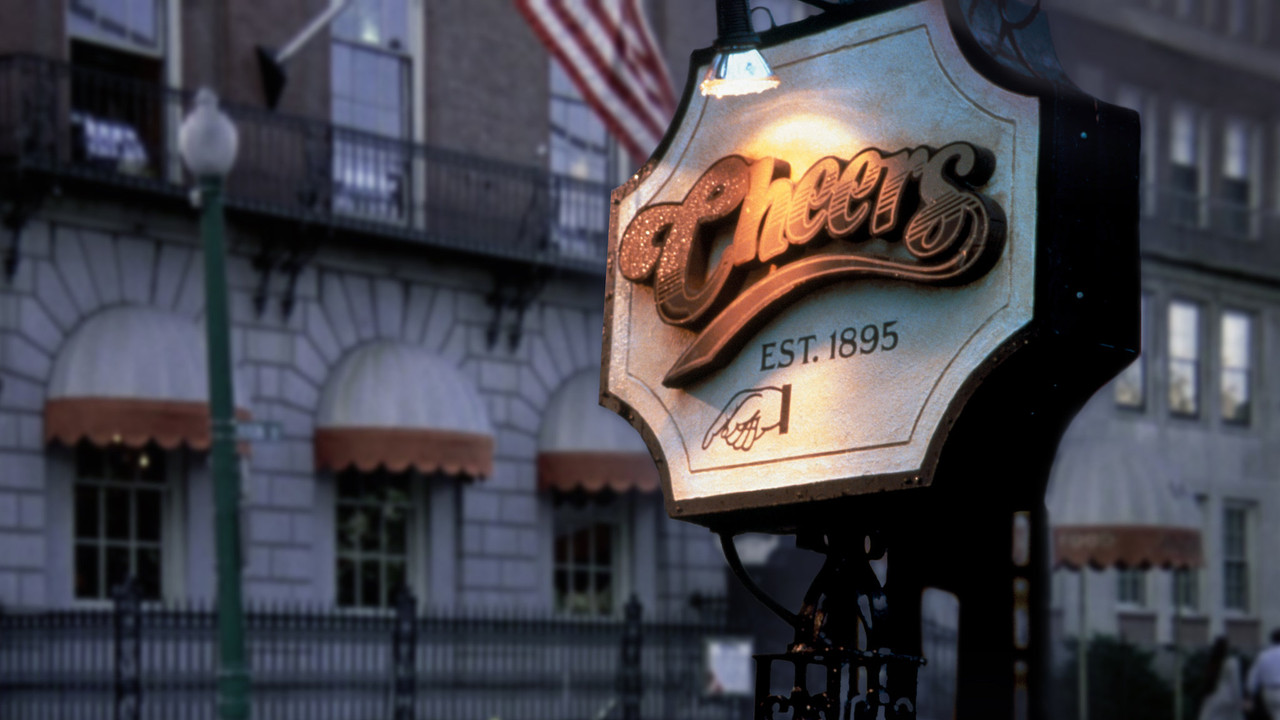
The Ending, Explained
When a beloved sitcom closes its run, viewers often want a clear walkthrough of the final moments without sitting through every prior chapter. Our The Honeymooners readers sometimes ask how a classic bar comedy finishes, and that curiosity is natural. The Cheers ending explained approach does not require revealing the early episodes, because the show builds its identity around a constant location rather than a shifting plot. Set in a blue-collar Boston bar, the series follows former sports star Sam Malone as he runs the place alongside a roster of quirky regulars and employees. By the final act, the essential rhythm remains the same: people gather, talk, and find comfort in familiarity. That simple structure is why the conclusion feels both inevitable and satisfying without relying on twists planted in the first act. The camera work and timing may have matured, but the heart stays put.
To frame Cheers explained for newcomers, it is best to think of the program as a workplace comedy built around a bartender and his patrons. The tagline promises a spot where everybody knows your name, and that promise is the backbone of every installment. The ending does not discard that idea; it reinforces it. Knowing the broad premise is enough to appreciate the closure, because the narrative never depended on hidden secrets from the opening chapters. A viewer who understands the bar setting can grasp the finale's emotional weight immediately.
A Note on Structure
Unlike serial dramas, this comedy treats each episode as a visit to the same room. That format means the ending functions as a prolonged goodbye to a space rather than a resolution of a mystery. The celebratory keyword fits here: the show celebrates ordinary life.
What Happens
Understanding what happens at the end of Cheers starts with recognizing that the bar itself is the true protagonist. The former athlete turned bartender continues to preside over the room, and the wonderful people who worked and drank there return to their stools and shifts. A postal worker, among other colorful characters, shares in the final gathering. The camera lingers on the ordinary magic of a Massachusetts neighborhood joint where social barriers drop. No drastic reboot of the format occurs; instead, the regulars toast to the bonds they have formed. This gentle resolution honors the show's celebratory tone without upending the established dynamics.
The final stretch also reminds us that the ensemble is larger than any single star. Ted Danson leads as Sam, but Kirstie Alley, Rhea Perlman, George Wendt, John Ratzenberger, Woody Harrelson, and Kelsey Grammer all contribute to the closing ensemble beat. Their presence confirms that the narrative was always about the group, not just the man behind the bar. The last call is less a plot event and more a communal sigh of contentment. The lighting and laughter suggest a party that never truly ends.
Why the First Act Stays Unspoiled
Because the premise is stable, learning the ending does not ruin earlier scenes. The viewer can start at any point and still feel the warmth. That is a hallmark of the sitcom genre and a reason the series remains approachable on streaming platforms.
The Meaning Behind the Ending
Digging into the Cheers ending meaning reveals a meditation on belonging. The bar operates as a refuge from a noisy world, and the conclusion simply confirms that such refuges matter. A Cheers ending breakdown shows that the writers leaned on repetition as a thematic device: the same jokes, the same faces, the same Boston warmth. That repetition is not lazy; it is the point. When the series fades, it leaves viewers with the assurance that some spaces stay constant even as life moves on. The meaning is found in continuity.
Fans of ensemble finales might also enjoy The Jeffersons, a sitcom that likewise celebrated moving up while keeping family close. Both shows understand that a comedy's last episode should feel like a reunion rather than a farewell. The shared laughter across decades proves the format's durability.
Reading the Final Tone
The tone is celebratory rather than melancholy. Even as characters evolve, the bar remains a constant invitation. That choice reflects the show's roots in workplace comedy and its love for Boston's everyday rhythm.
Themes You Might Have Missed
Beyond the obvious barroom laughs, the program quietly explores the texture of blue-collar Boston life. The bartender figure is central, but the presence of a postal worker and other townsfolk roots the humor in everyday labor. As a workplace comedy, it finds drama in shift changes and casual conversations. The celebratory mood is not about parties; it is about the small victory of being recognized. Massachusetts becomes a character through accents, attitudes, and the undeniable chill outside the pub door.
Another layer is the idea of second acts. Sam Malone was a former sports star, suggesting a man reinventing himself after glory fades. The quirky staff mirror that theme: everyone at the bar is recovering from or building toward something. If you appreciate comedies that weave setting into character, The Mary Tyler Moore Show offers a similar blend of workplace warmth and independent spirit. Both programs value the ensemble over the individual.
Community as a Character
The regulars form a makeshift family. Themes of boston, bartender, and postal worker intersect to paint a mosaic of local life. This is why the ending resonates: it validates the quiet heroism of showing up.
Should You Press Play on Cheers?
With a rating of 7.57 out of 10 across 722 votes, the series holds a solid reputation among streaming audiences. It is an easy press-play for anyone who enjoys character-driven comedy rather than serialized mystery. The lack of a complex mythology means you can jump in late and still grasp the ending, which we have outlined above. Ted Danson's charm anchors the room, while the supporting cast ensures no scene feels thin. If you want a show where the destination matters less than the company, this is a smart choice.
Because the tone stays celebratory and the setting is a single bar, the watch experience feels like a visit with old friends. The comedic timing of veterans like Rhea Perlman and John Ratzenberger adds reliability, and later additions such as Woody Harrelson and Kelsey Grammer keep the dynamic fresh. There is a reason the tagline became cultural shorthand for acceptance. The show's consistency makes it a dependable background companion or a focused binge.
Cheers Key Details
Here is a quick reference for the essentials:
- Title: Cheers (1982)
- Genres: Comedy, sitcom, workplace comedy
- Tagline: Where everybody knows your name.
- Rating: 7.57/10 from 722 votes
- Setting: Blue-collar Boston bar in Massachusetts
- Central figure: Former sports star Sam Malone, a bartender
- Notable regulars and staff: postal worker, plus quirky drinkers and workers
- Main cast: Ted Danson, Kirstie Alley, Rhea Perlman, George Wendt, John Ratzenberger, Woody Harrelson, Kelsey Grammer
- Themes: boston, bartender, postal worker, bar, celebratory, community
The show's strength lies in its simple premise and the actors who breathe life into it. Whether you arrived for a specific actor or the promise of a friendly neighborhood spot, the ending delivers exactly what the opening implied. The bar doors may close on screen, but the invitation lingers for anyone ready to stream.