CentoVetrine (2001): Love and power struggles in Turin's mall
CentoVetrine (2001) is a soap drama following love and power struggles among characters tied to an imaginary Turin shopping center.
October 22, 2026
The Ending, Explained
CentoVetrine is an Italian television soap that first aired in 2001, built around an imaginary shopping gallery in the heart of Turin. For viewers just discovering the serial, CentoVetrine explained comes down to a simple premise: the camera follows the people who work inside the center or share family bonds with those employees. Our CentoVetrine ending explained discussion will stay focused on the final stretch of the story, so there is no need to worry about early plot reveals.
The show belongs to the soap and drama categories, and its structure mirrors the rhythm of daily life in a commercial space. While we cannot detail every twist from the premiere, we can say that the closing chapter pays off the long term relationships established among the cast members such as Roberto Alpi, Elisabetta Coraini, and Marianna De Micheli. The final act brings the interlocking personal and professional conflicts into sharper view.
Because the program is a soap, the timeline of the imaginary CentroVetrine location stretches across many episodes, allowing minor characters to grow. The closing segment does not discard these developments; rather, it threads them together so that the audience feels the weight of accumulated history. This approach is common in the genre, yet here it is anchored by the specific backdrop of a Northern Italian retail hub.
What Happens
To understand what happens at end of CentoVetrine, it helps to remember that the narrative never centers on a single hero. Instead, the last episodes gather the various love and passion plotlines alongside the struggles for power that have simmered through the run. The dynastic quarrels among prominent families connected to the shopping center reach a decisive stage, allowing the audience to see where alliances permanently settle.
Without spoiling the opening acts, we can note that the conclusion emphasizes resolution over shock. The characters portrayed by Michele D'Anca, Alessandro Mario, and Sergio Troiano find their trajectories either stabilized or irrevocably altered by the choices made near the finale. The imaginary CentroVetrine location remains the constant stage where these farewells and triumphs play out.
The final episodes also remind us that the shopping center is not just a workplace but a social nucleus. Decisions made in the last act ripple outward to friends, rivals, and relatives portrayed by the extensive cast. While we avoid detailing the premiere, it is fair to say that the conclusion rewards viewers who have tracked the slow evolution of these bonds.
The Meaning Behind the Ending
The CentoVetrine ending meaning is less about a surprise revelation and more about the cost of maintaining power within a tight community. Throughout the telefilm, the characters balance affection for one another against the urge to control the retail empire that surrounds them. The final chapter suggests that lasting peace requires sacrificing some personal ambition for the sake of shared stability.
In many ways, the closure reflects the dual nature of the telefilm as both a romance and a power fantasy. The CentoVetrine ending meaning can be read through the lens of compromise: no single faction claims total victory, and the love that survives does so because it adapts to the demands of the shared environment.
This interpretation aligns with the soap tradition of weighing public success against private happiness. The show's modest rating of 6.7 out of 10 from a small voting pool indicates that its restrained closure may not satisfy viewers seeking high spectacle, yet it fits the intimate scale of the source material.
Themes You Might Have Missed
Beyond the obvious corporate intrigue, the subtle CentoVetrine love stories act as the emotional backbone of the entire production. Romance in the series is rarely tidy; it intertwines with rivalry and inheritance, meaning a quiet glance in the mall corridor can carry as much weight as a boardroom confrontation. Jgor Barbazza and Luca Biagini contribute to this tapestry of affection and tension.
Attention to class dynamics also deserves note. The imaginary mall creates a cross section of society where managers, shopkeepers, and visiting relatives cross paths. This microcosm amplifies the stakes of every disagreement, turning a scheduling conflict into a test of loyalty.
Another layer involves the idea of a manufactured space becoming a hometown. The fictional shopping center in central Turin functions almost as a character, shaping how the ensemble relates. If you appreciate period ensemble dramas that weave similar communal bonds, you might enjoy Road to Avonlea, which also traces family and neighborhood threads across many episodes.
CentoVetrine: What We Thought
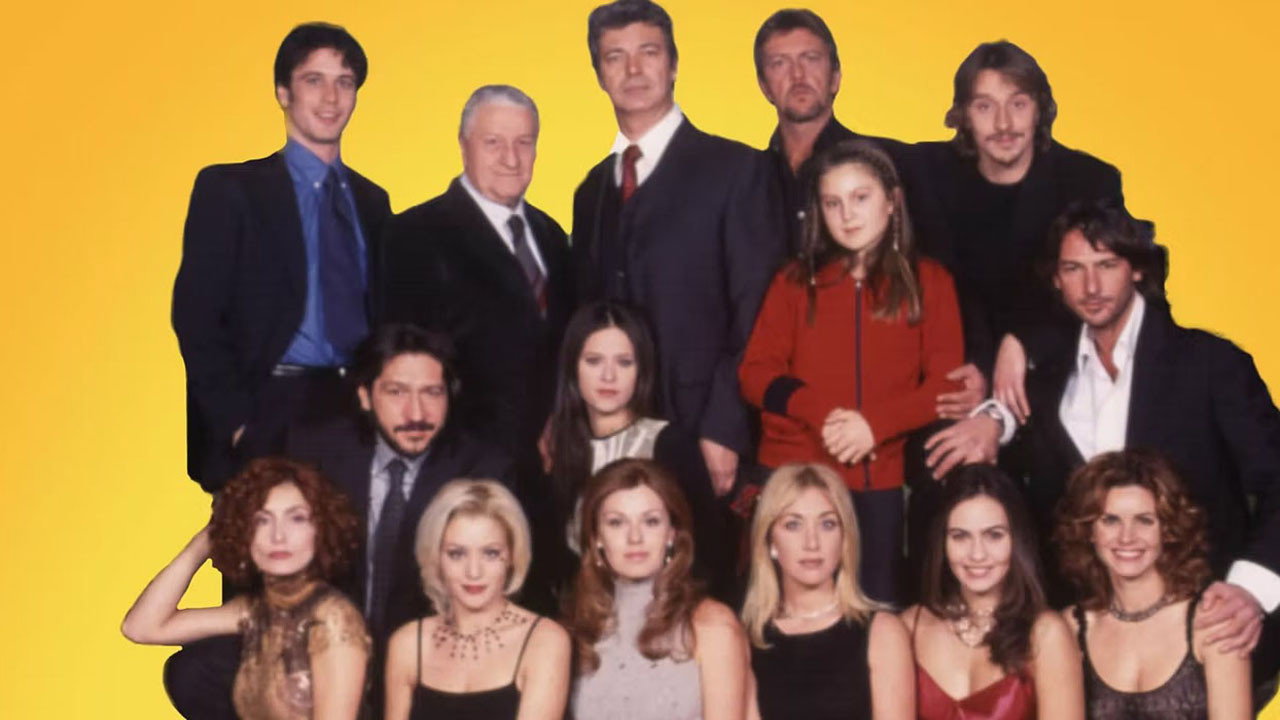
Approaching the series from a breakdown perspective, we found that its strength lies in the sheer number of perspectives presented. With a cast list that includes Roberto Alpi, Elisabetta Coraini, Marianna De Micheli, Michele D'Anca, Alessandro Mario, Sergio Troiano, Jgor Barbazza, and Luca Biagini, the writing distributes focus evenly. The result is a mosaic rather than a singular arc.
The limited number of recorded votes means the rating should be taken as a snapshot rather than a consensus. Still, the structure of the show invites repeat viewing, especially for those who enjoy watching relationships develop across a broad canvas. The ensemble approach ensures that even side characters get meaningful closing moments.
For audiences who prefer character driven television about relatives and everyday stakes, the show makes a natural companion to Parenthood, a later ensemble piece that also examines how familial duty intersects with personal growth. Both titles reward patient viewing even if they lack blockbuster pacing.
CentoVetrine Quick Facts
Before the reference list, it is worth restating that the series never leaves the confines of its central setting. The fictional Turin shopping gallery acts as the anchor for every subplot mentioned above.
The following bullet points summarize the essential data for quick reference:
- Title: CentoVetrine (2001)
- Genres: Soap, Drama
- Setting: Imaginary shopping center in central Turin
- Rating: 6.7/10 based on 3 votes
- Main cast: Roberto Alpi, Elisabetta Coraini, Marianna De Micheli, Michele D'Anca, Alessandro Mario, Sergio Troiano, Jgor Barbazza, Luca Biagini
Viewers curious about the long lineage of the soap format can explore Guiding Light, a landmark serial that pioneered many of the conventions seen in this Italian production.