Carrie (2026): A Telekinetic Teen's Tragic Rise
Carrie (2026) follows a grieving teen whose telekinetic powers awaken amid viral bullying and the cruelty of social media.
October 15, 2026
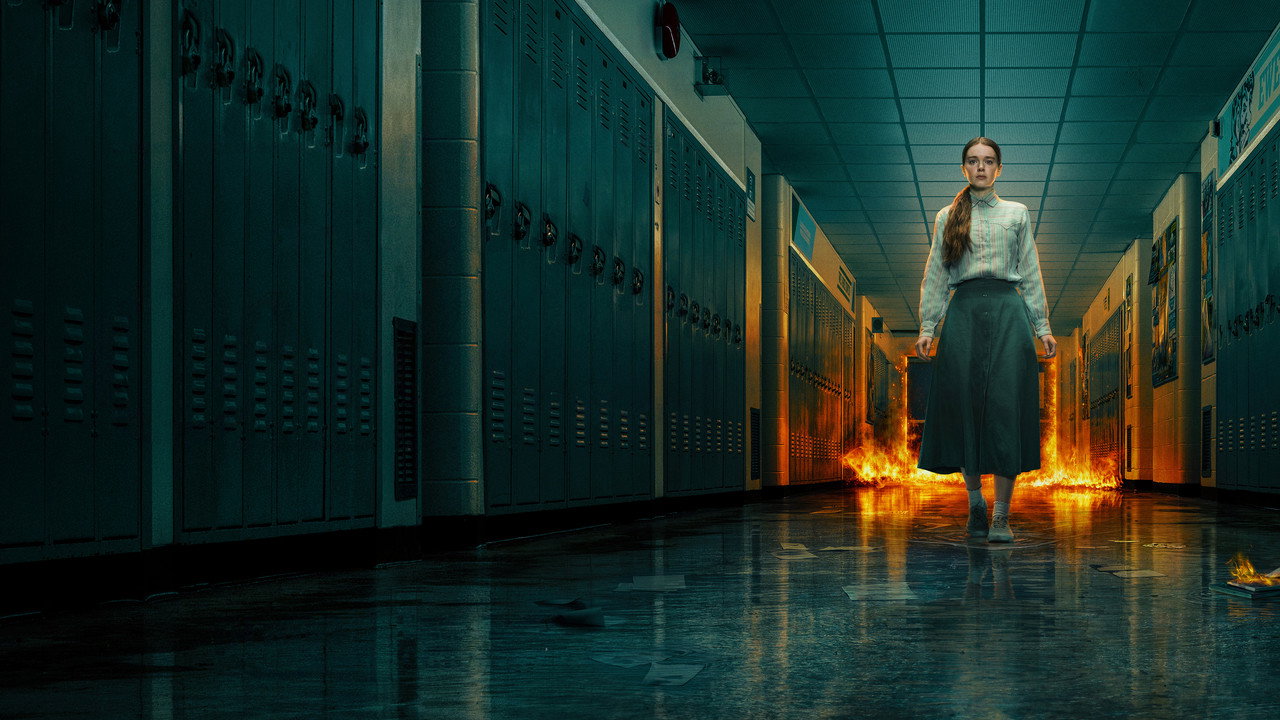
The Ending, Explained
When a story spends so much time building a quiet sense of dread, the finale carries the weight of every earlier glance and whisper. This Carrie ending explained breakdown stays away from the opening episodes on purpose, because the first act of this 2026 miniseries works best when you know nothing about the incident that pulls Carrie into the harsh light of public school life. A complete Carrie explained viewpoint reveals how isolation builds until the supernatural element stops being a metaphor and becomes a force. The adaptation, drawn from the well known novel, keeps its cards close until the final stretch, where the true shape of the social scandal comes into focus.
We are not here to recap the bullying that starts the fire. Instead, we look at how the last chapters reframe everything that came before. The community that turned on a teenage girl now faces the consequence of its own cruelty. What matters is not the exact trigger but the emotional logic that carries the narrative from silence to explosion. In that sense, the closing movement is less about shocking visuals and more about the resolution of a psychic wound.
What Happens
The final episodes shift the ground under the audience. Fans ask what happens at the end of Carrie every day after the climactic sequence, and the answer is both simpler and stranger than rumor suggests. The Carrie 2026 telekinesis sequences impress because they are tied directly to her emotional state rather than deployed as random spectacle. As the pressure of the social media age peaks, the school becomes a stage where private humiliation turns public, and the mysterious powers answer in kind.
Without detailing the early bullying scandal, we can say that the ending brings the abusive home life and the external punishment into a single collision. Her mother, painted as a zealot in the themes, plays a crucial role in the final act. The miniseries does not shy from showing the cost of rage. For viewers who enjoyed the high school pressure cooker of 13 Reasons Why, this finale will feel like a darker mirror held up to the same generational wounds.
The Meaning Behind the Ending
The Carrie ending meaning debate continues among viewers because the conclusion refuses to offer easy comfort. It suggests that power awakened in adolescence is inseparable from the pain that summoned it. The finale is not a victory lap; it is a reckoning. Carrie’s journey from social outcast to someone capable of reshaping her environment speaks to the terror of being seen only when you become dangerous.
The isolation within the family and the hallways alike defines the closing message. The death of her father left a vacuum filled by control and anger. When the telekinetic gift rises, it is the only language left that the world listens to. That is why the last scenes feel less like revenge and more like a tragic communication. If you appreciate sprawling supernatural stakes, The Wheel of Time offers another take on young people carrying burdens far beyond their years.
Themes You Might Have Missed
Beneath the obvious high school cruelty, the series threads smaller motifs. The tagline "She just wanted a friend. They gave her a fight." encapsulates the reversal at the core. Watch for the repeated imagery of phones recording instead of hands helping; the social scandal is less about one event and more about a culture that feeds on exposure. The abusive mother is not a cartoon villain but a product of her own frightened belief system, a zealot who sees sin in normal growing up.
Another quiet theme is the difference between supernatural talent and ordinary teenage anger. The show treats telekinesis as an extension of feeling, not a superpower won in a lab. The genres listed — Mystery, Drama, Sci-Fi & Fantasy — reflect this blend. Even the minor cast members, from Samantha Sloyan to Josie Totah, ground the fantasy in recognizable human behavior. This balance is what separates the adaptation from typical genre fare.
Our Take on Carrie
We found the 2026 version ambitious in how it trusts the audience to sit with discomfort. Summer H. Howell carries the lead role with a stillness that makes the eventual storm more powerful. The decision to keep the first act offscreen in this article was deliberate; the early mystery is too good to spoil. While not every subplot lands with equal weight, the final act compensates by meaning something. For those who like supernatural mysteries rooted in real social anxiety, Spectros is a worthy companion watch.
The rating of 8.458/10 across 253 votes signals that early viewers connect with the tone. It is a story about a teenage girl forced into an unforgiving ecosystem, and it respects her enough not to explain away the pain. We recommend watching without distractions so the ending can land.
Carrie Key Details
- Title: Carrie (2026)
- Genres: Mystery, Drama, Sci-Fi & Fantasy
- Rating: 8.458/10 (253 votes)
- Tagline: She just wanted a friend. They gave her a fight.
- Main cast: Summer H. Howell, Samantha Sloyan, Siena Agudong, Alison Thornton, Joel Oulette, Josie Totah, Arthur Conti, Thalia Dudek
- Themes: based on novel or book, telekinesis, supernatural, high school, death of father, teenage girl, miniseries, social outcast, zealot, angry, abusive mother, social scandal
- Plot note: After her father's sudden death, Carrie faces public high school, viral bullying, and awakening telekinetic powers.