Campus Drivers (2026): A Romance That Reopens Old Wounds
A breakdown of Campus Drivers (2026): what the ending means, the themes you might have missed, and why the final scene lingers.
November 11, 2026
The Ending, Explained
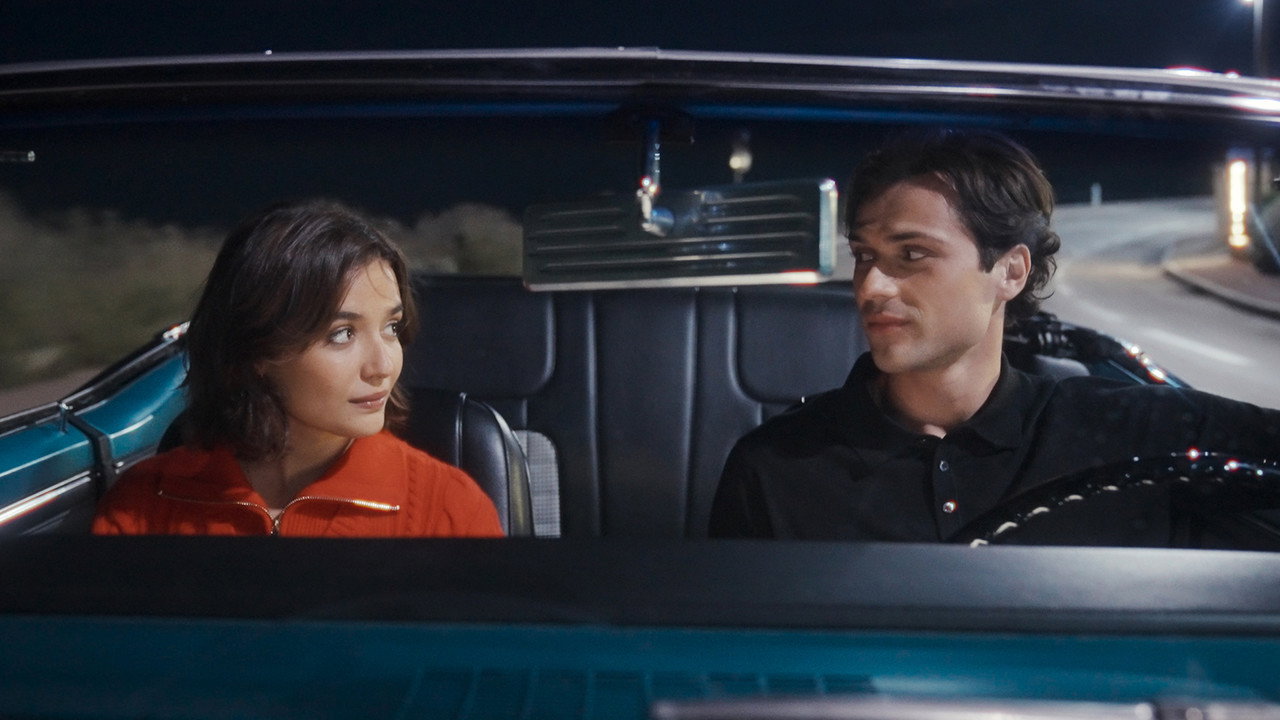
Few recent dramas have left viewers as eager to unpack the final scenes as this French campus romance. If you have just finished watching and you are searching for a Campus Drivers ending explained breakdown, you are in the right place. The film closes on a note that is quietly hopeful rather than loudly triumphant, and that choice is exactly why it lingers. Instead of tying every thread into a neat bow, director Tom Goris lets the last act breathe, allowing the emotional consequences of the story to settle before the credits roll.
This piece walks through the closing stretch of the film and what it all means. It avoids spoiling the first act so that newcomers can still discover the setup for themselves, while giving those who have already watched a chance to think more deeply about the final scenes.
What Happens
By the time the story reaches its final movement, the central relationships have been pushed to their breaking point. Lois arrived in Belrose alongside Max, the man she believed was the love of her life, and that certainty has been tested in ways she never anticipated. Lane, the mind behind the campus app everyone relies on, built his reputation on never letting anyone get close. The two were never supposed to intersect, yet the encounter that unfolds reshapes both of them and forces old wounds back to the surface.
In the closing act, the film focuses on the consequences of those reopened wounds. The question the story keeps returning to is not whether love appears, but whether the people involved are willing to trust it when it does. The resolution honors that uncertainty. Rather than declaring that everything is fixed, the final scenes suggest that the characters have finally stopped running from what they feel. For a story built on forced proximity and roommates to lovers tension, that quiet honesty lands harder than any grand gesture could.
Viewers who enjoy slow-burn relationship dramas with a European setting may also appreciate One Day, which shares a similarly patient approach to watching two people find their way toward each other over time.
The Meaning Behind the Ending
So what does the final act actually signify? The Campus Drivers ending meaning rests on the distinction between attachment and commitment. Lane has spent the entire film avoiding the former, convinced that keeping people at a distance is the same as staying safe. The ending challenges that belief directly. Love, the film argues, is not a risk to be managed but a choice to be made, and choosing it requires admitting that you have something to lose.
For Lois, the resolution is about reclaiming her own sense of direction. She came to Belrose anchored to Max, and the journey she takes is toward standing on her own. The closing scenes do not hand her a perfect romance so much as a clearer understanding of what she wants. That is a subtler victory, and a more honest one. Those wondering what happens at the end of Campus Drivers should look past the surface question of who ends up with whom and focus instead on what each character has learned about themselves.
The film also uses its setting deliberately. The south of France backdrop, the car culture, and the constant hum of the campus app all reinforce a world in motion, where people are always driving somewhere but rarely sure of the destination. The ending slows that motion down and asks the characters to decide where they actually want to go.
Themes You Might Have Missed
Beyond the central romance, several themes run quietly through the story, and the final act brings them into focus.
- Old wounds and forgiveness. The ex-boyfriend ex-girlfriend relationship dynamic is not just background noise; it shapes how the characters protect themselves and why they hesitate to open up.
- Identity beyond a relationship. Both leads are defined by roles they have outgrown, and the ending is about stepping outside those labels.
- Risk as a form of trust. The racing imagery mirrors the emotional stakes, since every leap of faith requires the same willingness to lose control.
- The lure of the crowd. A campus full of connections can still leave someone isolated, and the film treats solitude as a real force in its characters' lives.
If the intimate, character-first storytelling here resonates, Normal People offers a similarly raw look at two people navigating attraction, distance, and self-discovery.
Our Rating for Campus Drivers
With a rating of 8.261 out of 10 from early viewers across 23 votes, the film has clearly connected with its audience. That score reflects a drama that trusts its characters and resists easy answers. The performances from the cast, including Carmen Kassovitz, Baptiste Masseline, Prune Pauchet, Esteban Vial, and Madior Fall, give the quieter moments real weight, and Goris keeps the pacing steady even as the emotional temperature rises.
The Campus Drivers film ending will not satisfy everyone, particularly those who want every question answered outright. But for viewers who value ambiguity and emotional honesty, the final act is the strongest part of the story. It rewards patience and leaves just enough open to keep you thinking after the screen goes dark.
Anyone craving another layered romance with a bittersweet edge might also enjoy From Scratch, which shares a commitment to grounded, heartfelt storytelling.
Campus Drivers Recap
To bring it all together, here is the short version. Lois and Max arrive in Belrose as a couple, but her path crosses Lane's, the guarded creator of the campus's most popular app. Their unexpected encounter opens old wounds and forces everyone to reconsider what they truly want. By the end, the film has moved its characters from avoidance toward acceptance, suggesting that love is worth the uncertainty it brings.
When people ask about the Campus Drivers explained question and what the conclusion is really getting at, the answer is that the ending is less about a plot twist and more about emotional growth. The final act matters because it shows people choosing vulnerability over safety, and that is the real journey the film has been building toward from the start.