Camera Café (2003): Coworkers watched by a coffee machine
A static camera atop the office coffee machine watches co-workers' daily misadventures in this 2003 comedy.
October 25, 2026
The Ending, Explained
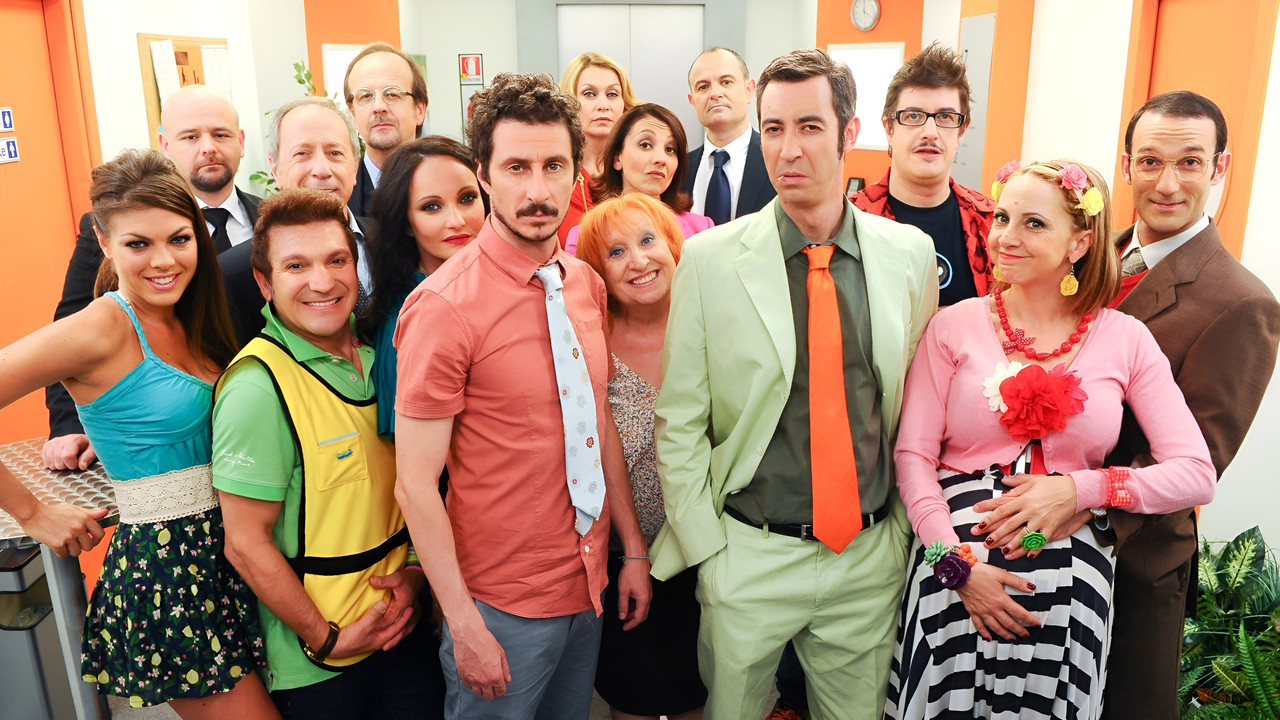
Camera Café arrived in 2003 as a comedy built around a single static viewpoint. The lens sits on top of the coffee-machine inside the relax area, and from that high corner it watches a group of co-workers move through their daily routines. A short Camera Café explained note can help new viewers understand the setup, because the show rarely pauses to introduce anyone with a traditional monologue. Instead, the audience learns the office hierarchy through spilled sugar and unfinished sentences.
When we reach the final episode, the structure does not change. The Camera Café ending explained segment focuses on the gentle rhythm of co-workers winding down, showing that the series prefers observation over resolution. There is no need for a manufactured cliffhanger when the format already feels like a closed loop. The last act simply lets the camera keep rolling while the team enjoys one more break together.
Fans of workplace humor might enjoy Less than Perfect, a series that also thrives on office banter and the small humiliations of desk life.
Because the program is essentially a sitcom of moments, the conclusion feels circular. The same faces that greeted the morning near the espresso maker are the ones who linger by the machine at the end. This circular feeling is the point: the cafe is a constant, the people rotate through its light, and the camera never blinks.
What Happens
The plot summary is deceptively simple. The adventures and mis-adventures of a group of co-workers are shown by a camera on top of the coffee-machine in the relax area. In our recap, the what happens end Camera Café summary is brief but clear: the same lens keeps rolling as the team shares one more ordinary day. We purposely avoid the first act, but the closing minutes show the device still perched above the cups, implying that tomorrow will look much like today.
Many Camera Café comedy scenes appear in the recap, each built on awkward pauses and quick glances rather than scripted set pieces. A character might reach for a biscuit at the wrong moment, or a manager might pretend not to see the mess on the counter. These beats are small, yet they accumulate into a portrait of a workplace that functions despite itself.
If you like this style, Just Shoot Me! delivers a similar magazine-office energy, with sharp exchanges that bounce around a shared space.
The final stretch does not invent new locations. It stays by the coffee station, where the most honest conversations happen when nobody is supposed to be working. That choice gives the ending a sense of intimacy, as if the viewer is the last person left in the break room.
The Meaning Behind the Ending
The Camera Café ending meaning analysis shows how the final act underscores the value of mundane connection. By keeping the camera on the relax area, the story suggests that closure is not about big events but about the comfort of familiar faces. The significance of the last episode's quiet tone is that it validates the ordinary: a good day at work is just a day where the machine works and a friend steals your chair.
This is the sort of conclusion that rewards patient watching. The show never shouts, so its ending whispers. When the credits finally appear, the audience understands that the true subject was never a single joke but the rhythm of people sharing a confined space.
For a different take on workplace families, Who's the Boss? remains a classic sitcom to stream, showing how a home office can become its own kind of cafe.
We can also read the ending as a comment on visibility. The camera above the coffee-machine is a silent witness, and by the final scene it has become part of the furniture. The meaning behind the ending is that being seen in our lazy, unguarded moments is what makes a group into a team.
Themes You Might Have Missed
Beyond the laugh track, the series quietly celebrates the cafe as a neutral ground. The themes of cafe and sitcom blend so that every trip for coffee becomes a tiny ritual. We can see this in the way the cast interacts without grand plots, letting the setting do the heavy lifting.
Another subtle thread is the observation of power dynamics through small talk. The Camera Café explained note from earlier ties into this, as the format itself is a comment on surveillance and intimacy. When a boss and a junior stand side by side waiting for the brew, the hierarchy temporarily flattens.
The show also toys with the idea of the audience as a colleague. Because the camera never moves, we are pinned to the same spot on the wall, forced to notice the same details the characters ignore. That constraint is a theme in itself: limited perspective breeds a different kind of empathy.
Finally, the tagline "A new daily pleasure" is not just marketing. It is a thematic statement that repetition can be soothing. The missed connections and minor squabbles near the machine are pleas because they are predictable, and the ending leans into that comfort.
Our Rating for Camera Café
With a score of 6.9 out of 10 from 63 votes, the show sits as a modest but pleasant watch. The rating suggests a cult rather than a blockbuster, which fits the lightweight tone. We think the number reflects its niche charm rather than broad ambition.
It is a good background sitcom for those who enjoy slice-of-life humor. The ensemble, including Luca Bizzarri, Paolo Kessisoglu, Alessandro Sampaoli, Renato Liprandi, Paolo Bufalino, Riccardo Magherini, Massimo Costa, and Margherita Fumero, works as a unit rather than a set of stars. That collective energy is why the score does not sink lower despite the minimal premise.
The tagline "A new daily pleasure" fits the experience: you will not remember every plot, but you will recall the warmth of the relax area. For a free streaming blog audience, that is often exactly what a lazy evening needs.
Camera Café Essentials
- Title: Camera Café (2003)
- Genre: Comedy, Sitcom
- Tagline: A new daily pleasure
- Main cast: Luca Bizzarri, Paolo Kessisoglu, Alessandro Sampaoli, Renato Liprandi, Paolo Bufalino, Riccardo Magherini, Massimo Costa, Margherita Fumero
- Plot: A camera atop the coffee-machine in the relax area records co-worker antics.
- Rating: 6.9/10 (63 votes)
The combination of these elements makes the show easy to dip into. Whether you start at the first episode or jump to the finale, the Camera Café comedy scenes remain consistent in style. The fixed camera becomes a character, and the essentials listed above are all you need before pressing play.
We hope this breakdown gave you a clearer sense of the finale without ruining the early jokes. The beauty of the series is that it asks so little and offers a steady smile in return. Keep the coffee warm and the conversation light.