Breaking Bad (2008): From Classroom to Meth Lab
Breaking Bad (2008) follows a diagnosed chemistry teacher who risks everything to fund his family through drug crime.
October 18, 2026
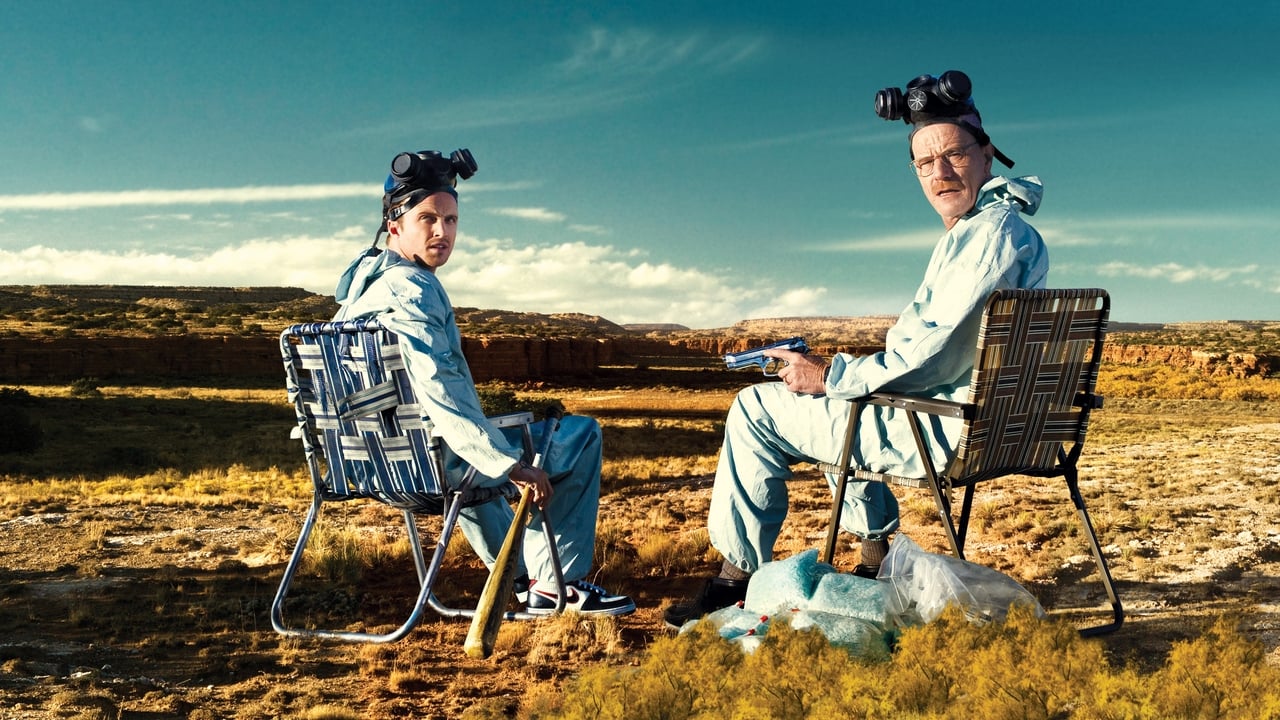
The Ending, Explained
When a quiet New Mexico chemistry teacher hears the words Stage III cancer and a two year prognosis, the floor drops out from under his ordinary life. That premise seeds the entire run of this crime drama, and Breaking Bad explained without fuss is the story of a man who trades the safety of a classroom for the chaos of a meth lab. The rated 8.955 out of 10 from over eighteen thousand votes signals how deeply audiences connected with this slow burn. What makes the closing chapters fascinating is the way they refuse to hand the viewer a tidy redemption.
We will not walk through the early episodes where Walter White first reacts to his diagnosis. Instead, our focus stays on the back half and the closing stretch. The show's tagline "Change the equation" speaks to a shift in moral calculus that the final act makes undeniable. By the time the curtain falls, the line between desperate father and outright psychopath has been blurred beyond repair. The genius of the writing lies in showing how a terminal illness can act as a catalyst for a person to shed social restraint.
Throughout the later segments, the comfortable boundaries of a normal household give way to the pressures of an outlaw existence. The danger is not only from rival criminals but from the slow erosion of the protagonist's own humanity. A viewer who skips the setup still gains a clear picture of a tragedy built from fear and pride.
What Happens
The later chapters follow the fallout of a decision made under fear of terminal illness. A man who began with the goal of securing his family's financial future at any cost becomes entangled with criminals who cannot function without his particular talent. Viewers often wonder Breaking Bad end what happens to the people closest to him, and the narrative answers through consequence rather than comfort. The absence of a clean resolution is intentional.
Without detailing the opening moves, we can say the outlaw identity he wears grows heavier. The dark comedy that threads through the series sharpens into tragedy as the meth lab empire extracts its price. Those who stayed for the long haul saw a regular citizen transform into a figure no neighbor would recognize. The machinery of drug production becomes a character itself, demanding loyalty and punishing hesitation.
As the net tightens, the supporting players portrayed by actors such as Dean Norris and Betsy Brandt reflect the collateral damage of one man's campaign. The final stretch does not offer a reset button. Instead it presents the logical endpoint of a path chosen when death felt imminent.
The Meaning Behind the Ending
The Breaking Bad ending meaning is less about a single event and more about the permanent marks left by criminal choices. A diagnosis of cancer sparked a fearless streak, but that streak mutated into narcissism. The final act asks whether any amount of money can undo the role of drug dealer he embraced. The answer the show lands on is mournful.
Earlier we considered how Breaking Bad ending explained the slide from teacher to outlaw. The conclusion reinforces that tragedy was baked into the premise from the moment he entered the dangerous world of drugs. His terminal illness did not excuse the path; it illuminated the human capacity for self justification. When a person believes the clock is short, the usual rules lose their weight, and the series treats that truth with unflinching calm.
We can read the last act as a meditation on the cost of pretending to be indispensable. The psychopath label may feel harsh, yet the behaviors displayed align with a self centered survival mode. The family he wanted to protect becomes distant, a goal referenced more than a reality felt.
Themes You Might Have Missed
Beneath the surface crime story sits a layered set of motifs. The following elements deserve a second look:
- New Mexico as a backdrop where isolation feeds poor decisions
- Drug dealer life as a warped mirror of corporate ambition
- Narcissism that grows once a person believes they are indispensable
- Psychopath tendencies creeping in under pressure
- Terminal illness reframed as a permission slip for extremes
- Outlaw status replacing citizen identity
- Dark comedy easing the audience through grim turns
- Cancer as the clock that drives every risk
- Tragedy as the only logical destination
- Drugs and the criminal network that orbits a meth lab
Each of these threads tightens in the final episodes. The location is not just scenery; the dry expanses of the southwest mirror an inner emptiness. The humor never undermines the stakes, it simply makes the descent watchable.
If you enjoy slow burns about criminals who think they are smarter than the room, you might appreciate Hannibal, a series that also studies the blurred line between intellect and monstrosity. Both shows trust the viewer to sit with discomfort.
Our Take on Breaking Bad
The Breaking Bad series finale lands as a somber punctuation on a story fueled by fear and pride. We found the performance of Bryan Cranston central to making the transformation believable, with Aaron Paul and Anna Gunn adding the emotional stakes. The writing never lets the dark comedy fully erase the tragedy, which keeps the ending honest. A show that began with a medical sentence ends with a moral one.
For viewers who want a different flavor of outlaw narrative, Queen of the South offers a parallel dive into the drug trade seen from another angle. Similarly, Too Old to Die Young explores criminals and mortality with a similar patient gaze. These companions can extend the mood after the credits roll on the finale.
Our overall impression is that the program earns its high rating by respecting complexity. Walter White is never a simple villain nor a pure victim. The criminal world he joins is populated by flawed people, and the meth lab becomes the furnace where his old self is burned away.
Breaking Bad in Short
This 2008 drama crime hybrid earned its 8.955 rating through a fearless look at a man corroded by his own choices. The cast including RJ Mitte, Dean Norris, Betsy Brandt, Bob Odenkirk, and Jonathan Banks rounds out a world where the meth lab is both workplace and tomb. The tagline "Change the equation" perfectly captures Walter White's journey from New Mexico teacher to criminal mastermind. Whether you arrive for the breakdown or stay for the tragedy, the show remains a benchmark for television that treats its audience as adults.
Breaking Bad explained in a single breath is a terminal illness that unleashes a dormant psychopath, but the real weight is in the silence after the chaos. The finale confirms that an outlaw built on narcissism cannot return to the person he was before the diagnosis. With a legacy that still draws new viewers to streaming platforms, the series stands as a careful study of how far a frightened mind will travel when it decides the rules no longer apply.