Bonanza (1959): Defending the Family Ranch Together
Ben Cartwright and his sons face High-Sierra adventures as they run, defend their ranch, and help the surrounding community.
October 25, 2026
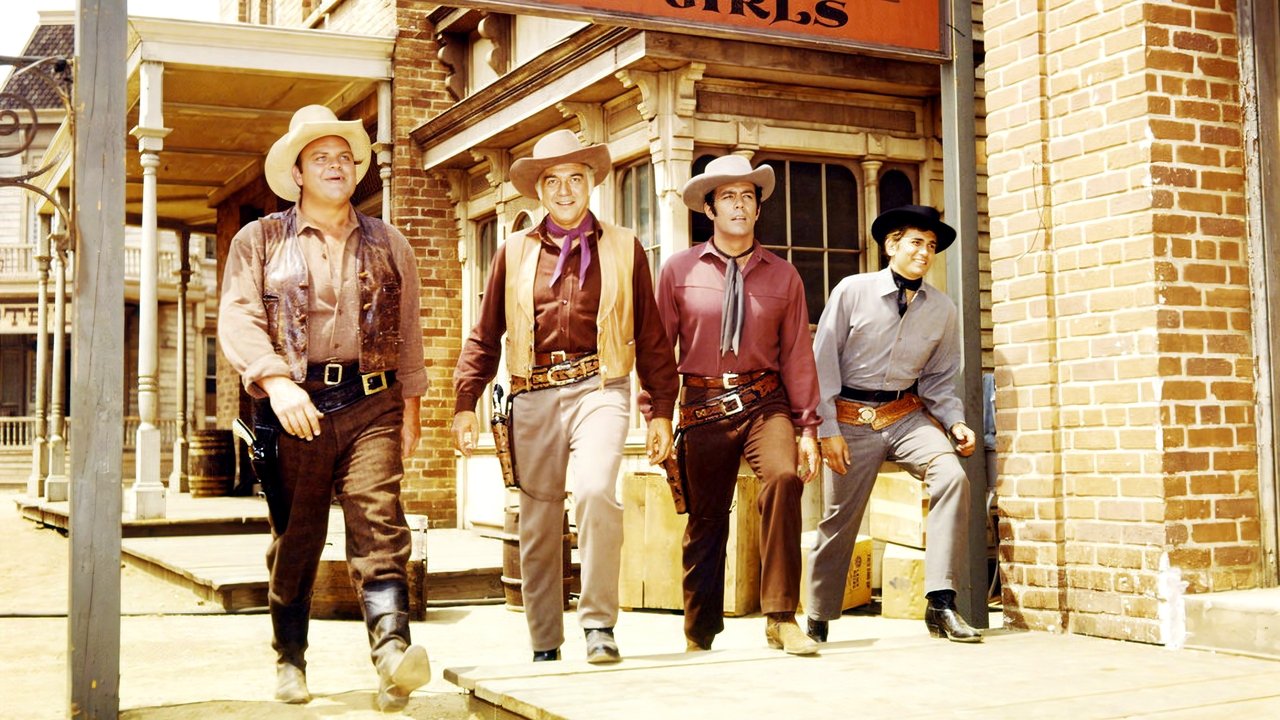
The Ending, Explained
Our Bonanza ending explained reflection looks at how the Cartwright clan wraps up its High-Sierra journey. While we avoid the earliest episodes, the later chapters show Ben and his sons still rooted in the values of their Nevada ranch. The series, tagged as America's Favorite TV Western, leaves viewers with a sense of continuity rather than closure. That gentle resolution fits a program built around family loyalty in the wild west of the 19th century.
The program earns a rating of 7.538 out of 10 from 503 votes, suggesting that its concluding tones resonate with a broad audience. Lorne Greene leads as the patriarch, with Michael Landon, David Canary, Tim Matheson, and Mitch Vogel rounding out the family unit. Their dynamic exemplifies the single father raising cowboy sons amid the challenges of early America. Each actor brings a distinct shading to the inspirational template without breaking the show's warm tone.
Across the run, the High-Sierra adventures of Ben Cartwright and his sons as they run and defend their ranch while helping the surrounding community form the backbone of the narrative. In the final act, those adventures do not suddenly shift gear. Instead, the familiar pattern of hard work, neighborly aid, and open-range conflict simply matures. The ranch remains a living entity, not a backdrop, and the community ties deepen.
Because the story never alienates its core viewers, the ending feels like a homecoming. The genres listed—Western, Action & Adventure, Drama, Family—all converge in these moments. A listener might hear the clang of a forge or the gallop of horses and still feel the maternal absence softened by brotherly care. That balance is why the tagline sticks.
What Happens
We summarize Bonanza ending what happens and note the significance of the final act's focus on community. The Cartwrights continue to run and defend their land while assisting surrounding settlers. This aligns with the plot's core: High-Sierra adventures of Ben Cartwright and his sons as they protect the ranch and help neighbors. No hidden reversal waits in the last reel; the drama stays true to its established promise.
We watched Bonanza 1959 western and loved the way the action blends with familial drama. The setting of early America comes alive through ranch chores, horseback rides, and the occasional confrontation that tests the brothers' loyalty. No abrupt twist undermines the established warmth; instead, the story affirms the inspirational path the family walks. The cowboy code becomes a lesson passed from the single father to his growing boys.
Defending the Nevada property requires both rifle skill and quiet negotiation. The sons, played by the ensemble including Michael Landon and David Canary, share duties that reflect their individual temperaments. One might scout the ridge while another mends a fence, yet all answer to Ben's steady guidance. Such division of labor underscores the family as a small republic in the wild west.
Helping the surrounding community often means mediating disputes or lending supplies. The final chapters highlight this service as the true wealth of the Cartwright name. In a 19th century frontier where isolation could spell disaster, the ranch operates as a beacon. That practical generosity is the engine of the plot's later momentum.
The Meaning Behind the Ending
They discussed Bonanza ending meaning and highlighted the inspirational tone of legacy. The final stretch emphasizes that a ranch is more than property; it is a symbol of togetherness in a harsh wild west. Ben Cartwright's role as a single father gains deeper weight as his sons step into their own as defenders of the homestead. The closing messages reward patience and affection over brute force.
We read Bonanza explained and enjoyed the portrayal of a close-knit group facing the 19th century frontier. The show's genres—Western, Action & Adventure, Drama, Family—merge in these last moments to suggest that courage and compassion are interchangeable. The tagline, America's Favorite TV Western, feels earned when the community rallies around the Cartwrights. A viewer new to the series can grasp this without seeing episode one.
Meaning also resides in the landscape. Nevada's high country is not just scenic; it is a character that teaches endurance. The family's continuous interaction with that environment models a sustainable bond with early America. By the conclusion, the lesson is clear: survival is communal, not solitary, even for a cowboy.
The rating of 7.538/10 across 503 votes indicates that this meaning lands. Audiences appreciate a finale that does not betray its premise. Lorne Greene's patriarch and his on-screen sons leave a template for later family-centered westerns. The inspirational current flows from the first campfire to the last.
Themes You Might Have Missed
Several quiet motifs surface in the later narrative. The theme of nevada isolation contrasts with the open-door policy the family keeps for strangers. A viewer might overlook how the cowboy lifestyle serves as a classroom for younger members like those played by Tim Matheson and Mitch Vogel. The instructional nature of ranch life mirrors early america self-reliance. Even small tasks carry moral weight.
Fans of ranch sagas may also appreciate The Rifleman (1958), another classic that mirrors the cowboy spirit of the era. Its lone-parent framework resonates with the same inspirational beat found in Bonanza. The parallel shows how durable the single-father western formula remains.
For those who like family dramas, Little Women (1978) offers a different but equally inspirational view of kinship across generations. While set outside the wild west, its emotional core echoes the Cartwright bond. The shared emphasis on mutual support bridges genre gaps.
If you enjoy stories about a single father, A Daughter Just Like You (2015) explores similar emotional bonds that define Bonanza's household. The modern tale reminds us why the older series remains relevant. Themes of family and guidance translate across centuries.
Another missed thread is the blend of action and domestic calm. The show never lets gunfire overshadow a shared meal. That rhythm mirrors the 19th century reality where danger and routine coexisted. Recognizing this balance enriches the final act's quiet confidence.
Bonanza: The Bottom Line
The lasting impression of this 19th century saga is its refusal to abandon the human element. With a rating of 7.538/10 by 503 voters, the show confirms that audiences value a blend of action and heart. The Cartwrights' defense of their Nevada ranch becomes a metaphor for protecting what matters most. The ending does not lecture; it simply embodies the tagline.
Whether you approach it as a Western, Action & Adventure, Drama, or Family entry, the final act delivers a satisfying echo of the opening promise. The cast's chemistry, especially among Lorne Greene, Michael Landon, David Canary, Tim Matheson, and Mitch Vogel, cements the program's place in television history. Its inspirational footprint can still be traced in how we tell frontier stories.
Bonanza stands as a rare series where the conclusion feels like a continuation rather than a full stop. The High-Sierra adventures leave a gentle mark, reminding us that a single father and his cowboy sons can define an era. That is the true bottom line for viewers discovering the show on streaming platforms today.
Bonanza Fast Facts
- Title: Bonanza (1959)
- Genres: Western, Action & Adventure, Drama, Family
- Rating: 7.538/10 (503 votes)
- Tagline: America's Favorite TV Western
- Plot: The High-Sierra adventures of Ben Cartwright and his sons as they run and defend their ranch while helping the surrounding community.
- Main cast: Lorne Greene, Michael Landon, David Canary, Tim Matheson, Mitch Vogel
- Themes: nevada, ranch, family, single father, cowboy, wild west, 19th century, early america, inspirational