Bleach (2004): How a Ghost-Seer Found His True Calling
Ichigo Kurosaki gains spiritual power from a Soul Reaper and finds his calling to protect the living and the dead in Bleach (2004).
October 18, 2026
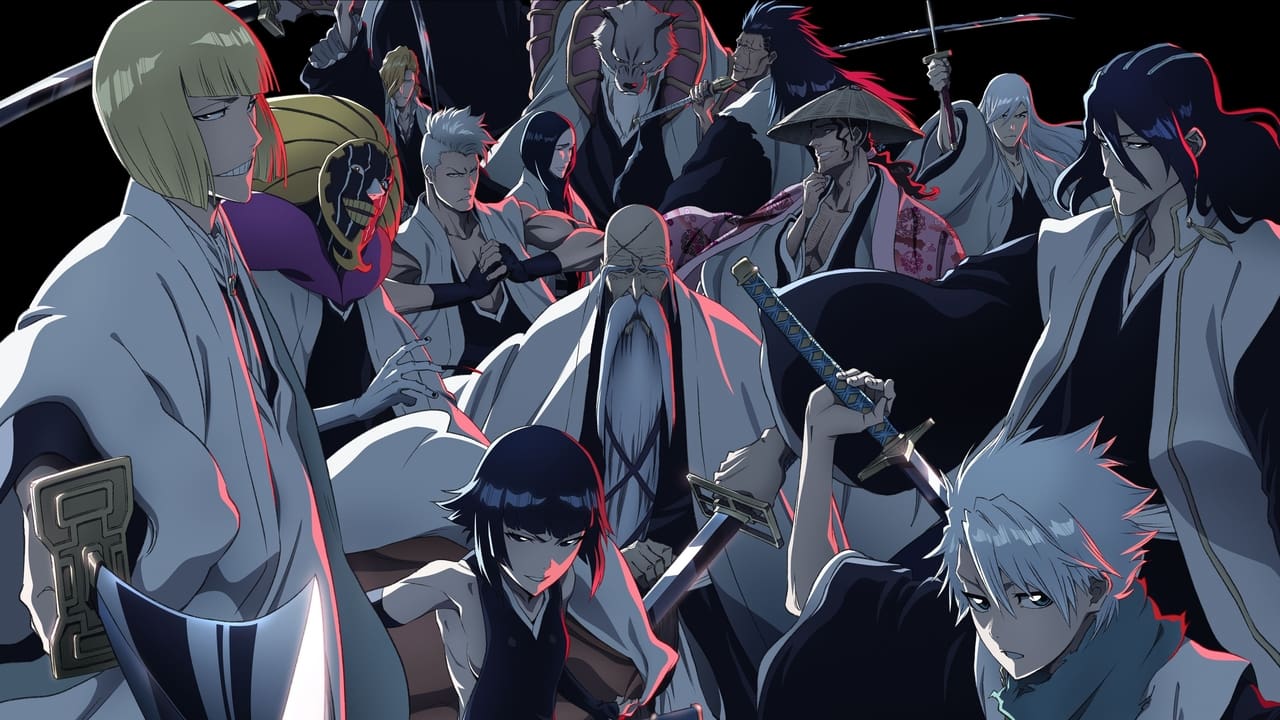
The Ending, Explained
Many viewers reach the final stretch of this long-running animation and wonder about the resolution. When we consider the Bleach ending explained, it is less a sudden twist and more a quiet confirmation of a journey that began with an ordinary teen aware of ghosts. The high school student who once merely saw spirits has become a defender across realms. Without recounting the early meetings that grant him power, we can focus on how the last episodes frame his duty. Ichigo Kurosaki stands with his blade ready, not because he seeks glory, but because the balance between the living and the departed depends on him. This closure feels earned through countless training sequences and swordplay that test his resolve.
The conclusion does not rely on shocking revelations about the fantasy world. Instead, it underscores the value of the relationships built along the way. Rukia, the Soul Reaper who introduced him to a larger conflict, remains a steady presence as the fights reach their peak. The supporting cast, voiced by actors such as Hiroki Yasumoto and Yuki Matsuoka, each get moments that highlight their own growth. By the final scene, the viewer understands that protecting the living and the dead from evil is not a temporary job but a lifelong path.
We can compare this kind of spiritual guardian tale to Noragami, which also follows a supernatural figure learning human connections. Both shows use friendship as the anchor for massive fantasy world conflicts, and both center on a young protagonist who must balance normal life with extraordinary obligations.
What Happens
The concluding acts center on sustained confrontation with hostile entities. For those curious about Bleach ending what happens, the narrative shows Ichigo fully accepting his role as a Soul Reaper surrogate. He uses his katana to cut down remaining threats, and the bond with allies solidifies. The final battles are not just about physical strikes; they reveal how much the once ordinary teenager has matured. The story tightens its focus on the cost of protection.
In these later episodes, the training that built his skills pays off as precise sword techniques turn the tide. The supernatural elements never overshadow the personal stakes. Each victory against a corrupted spirit is paired with a moment of reflection. Ichigo's school life does not vanish; rather, it grounds him when the fantasy world grows overwhelming. The ending sequence leaves the audience with a sense that the fight continues, but the hero is finally equipped to handle it.
The Meaning Behind the Ending
Looking deeper, the Bleach ending meaning is rooted in self-discovery and responsibility. Ichigo's true calling—to protect the living and the dead from evil—is not handed to him as a final reward but acknowledged as a permanent identity. The series suggests that power from spiritual energy is meaningless without the will to guard others. Death is presented not as an end but as a transition that still requires someone to keep peace. This thematic weight elevates the show beyond simple action.
The finale also speaks to the importance of mentorship and friendship. Rukia's initial appearance in his life, which we avoid detailing to preserve early surprises, sets up a dynamic where both characters teach each other. By the close, the line between student and teacher blurs. The blade he wields becomes a symbol of inherited trust. Such layers make the last act rewarding for patient viewers who have followed the swordplay and emotional beats.
Fans of character-driven supernatural animation may also enjoy Natsume's Book of Friends, where a young person navigates a world of spirits with empathy rather than only a sword. That series similarly balances high school normality with unseen dangers.
Themes You Might Have Missed
Beyond the obvious swordplay and high school setting, subtle ideas weave through the episodes. The presence of Bleach Hollows evil spirits serves as a metaphor for uncontrolled grief and anger that can consume a person. Training sequences illustrate the discipline required to master one's inner shadows. Friendship is portrayed as the counterforce to isolation, and the fantasy world mirrors our own struggles with loss. Even the blade itself symbolizes a boundary between order and chaos.
Another layer is the treatment of death. Rather than a frightening full stop, passing away opens a doorway to new duties. The show respects the manga source by keeping these motifs consistent. Small moments—a shared meal, a quiet talk after battle—reinforce that the supernatural adventure is really about human connection. The katana may shine, but the writing about companionship leaves the deeper mark.
Another show that explores similar supernatural friendship bonds is Mob Psycho 100, which blends comedy with earnest messages about personal growth. Viewers who like Bleach's mix of action and heart will find familiar comfort there.
Our Rating for Bleach
Based on the collected votes and our own viewing, the series earns strong praise. The 8.4 out of 10 score from over two thousand ratings reflects its lasting appeal. Bleach explained in broad strokes is a shonen adaptation that respects its manga roots while delivering kinetic animation. The voice cast, including Masakazu Morita and Fumiko Orikasa, brings emotional nuance to a fantastical plot. We recommend it to anyone who enjoys action mixed with heartfelt coming-of-age moments.
The combination of genres—action, adventure, animation, sci-fi, and fantasy—creates a wide net for audiences. The final act refocuses on what matters. The high school student at the center never loses his relatable doubts, even as he wields immense spiritual energy. That balance is why the rating stays high.
Bleach Scorecard
- Story: 8/10 – A clear hero arc with rich lore.
- Animation: 8/10 – Fluid sword fights and spirit effects.
- Characters: 9/10 – Ichigo and friends feel real despite the fantasy world.
- Themes: 8/10 – Death, friendship, and training handled with care.
- Overall: 8.4/10 – Matches the audience rating.
The blend of supernatural high school life and blade-based combat makes this a standout in the genre. Whether you arrive for the katana clashes or stay for the emotional core, the finale delivers a satisfying close. With a strong ensemble and a meaningful conclusion, Bleach remains a recommended watch on our free streaming platform.