Blade Runner 2099 (2026): A City Reborn, Identities Erased
Blade Runner 2099 ending explained: the finale's big questions, hidden themes, and whether this sci-fi drama is worth your time.
November 28, 2026
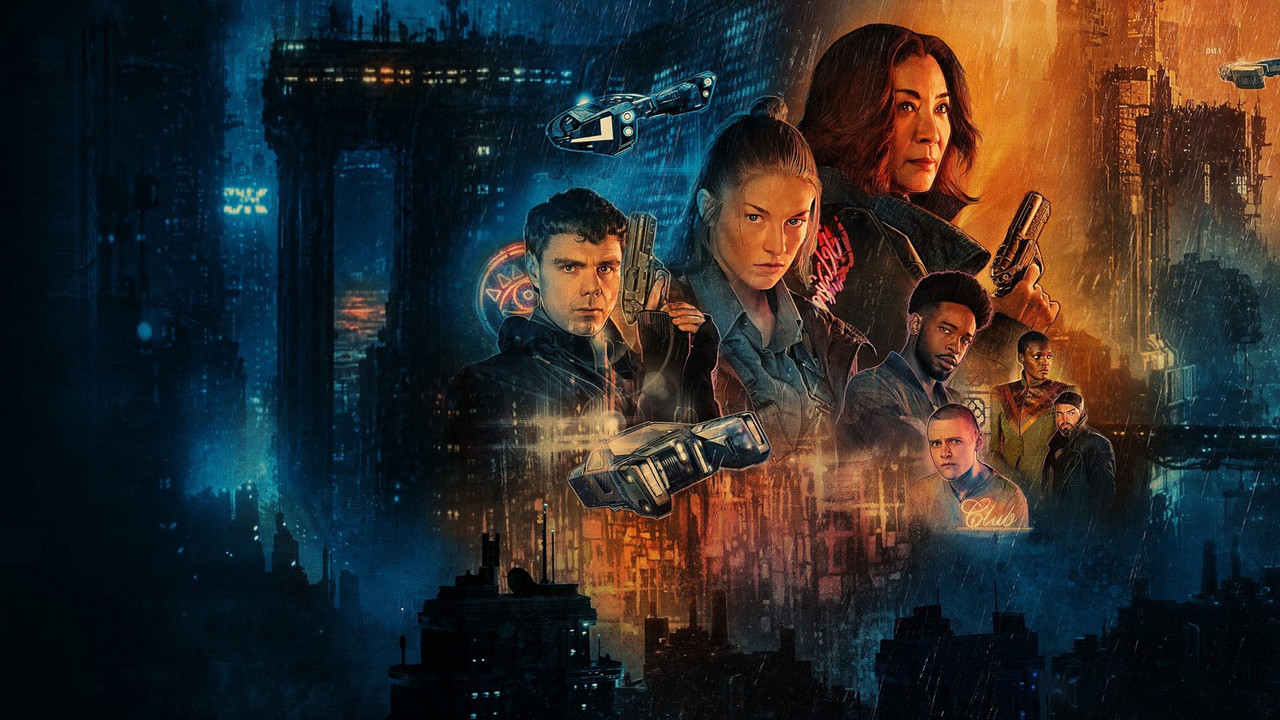
The Ending, Explained
Let's get one thing out of the way first: yes, the finale of this limited series is going to leave you with questions, and a lot of viewers have been searching for a proper Blade Runner 2099 ending explained breakdown since the credits rolled. That's understandable. The show doesn't hand you a neat bow. It leaves you with a mood, a question about identity, and a city that keeps humming along no matter who gets hurt in the process. So let's walk through the final act carefully, without touching the opening hours, and unpack why the conclusion lands the way it does.
What Happens
The last stretch of the series brings Cora and Olwen to the end of their uneasy partnership. Cora has spent the season wearing someone else's life like a coat, and by the finale the seams are showing. The runaway they've been tracking turns out to be carrying something more dangerous than a weapon — a truth about the city itself, one that the powers running Los Angeles have worked very hard to bury. When that truth finally surfaces, it doesn't detonate the way a viewer might expect. Instead it spreads quietly, like water through a crack.
Olwen's clock is the emotional engine of the final hour. A Replicant days from the end of her lifespan doesn't get to make long-term plans, and the show uses that pressure beautifully. The pair's last confrontation forces each of them to choose what they're willing to lose — Cora her last safe identity, Olwen whatever time she has left. If you're wondering what happens at the end of Blade Runner 2099, the short answer is that nobody walks away clean, and the resolution is less about a winner than about who chooses to stop running.
The final scene itself is quiet rather than explosive. Cora stands in a reborn Los Angeles that was never rebuilt for people like her, and the camera holds on that contradiction. It's a closing image that echoes the franchise's oldest obsessions — memory, ownership, and what it means to be real — without ever spelling them out. Viewers who prefer their science fiction closed off and tidy may find it frustrating. Viewers who like to sit with ambiguity will find it rewarding.
If you enjoy stories about people trapped inside identities that aren't entirely their own, Orphan Black: Echoes handles similar territory with a very different tone and is worth a look after you finish here.
The Meaning Behind the Ending
The Blade Runner 2099 ending meaning comes down to authorship. Who gets to decide what a person is worth? The city in this series has been reborn, but not by, or for, humanity — and the finale makes clear that the people running it treat lives, human and Replicant alike, as interchangeable parts. Cora's arc is a long argument against that idea. She spends the whole season pretending to be someone else, and the ending is the moment she refuses to be a function of anyone's plan.
Olwen's fate carries the other half of the message. A dying Replicant who chooses her own final act is the show's answer to the question the films have asked since the beginning: what gives a life value? Not longevity. Not the paperwork that says you're property. Choice. The finale is careful never to say this out loud, which is why some viewers find it pretentious and others find it moving. The series trusts you to do the work.
The Blade Runner 2099 final scene also quietly reframes the whole season as a story about fugitives — not just Cora, but everyone living in a city that was never meant to shelter them. That's where the political edge of the show sharpens. Running isn't cowardice here. It's the only honest response to a system designed to own you.
Fans of slow-burn character drama wrapped inside a genre shell should also give Ballard a try, which shares this series' taste for bruised, morally complicated protagonists.
Themes You Might Have Missed
With the plot out of the way, it's easier to see how tightly the season's ideas are woven. A few worth pulling on:
- Impersonation as survival. Cora doesn't lie about who she is for fun. Identity theft is the only shelter the city offers, which says everything about how the place treats outsiders.
- Mortality as motivation. Olwen's approaching death doesn't make her reckless. It makes her decisive, and the show treats that as a kind of strength rather than tragedy.
- The city as a character. Los Angeles has been reborn, but the series is careful to show who the rebirth actually serves. The skyline looks great. The people beneath it are disposable.
- Institutional rot. The LAPD presence in the story is never presented as protection. It's management.
- The novel underneath. The series draws on a printed source, and that literary DNA shows in how much of the meaning lives in what isn't said.
Once you've noticed how often the show frames running, hiding, and dying as forms of choice, the ending stops feeling vague and starts feeling deliberate. Blade Runner 2099 explained in a single sentence might be: everyone in this world is owned by something until they decide they aren't.
Is Blade Runner 2099 Worth Your Time?
This is a divisive one, and it currently sits at a middling score, which feels about right. Visually it's gorgeous — the cyberpunk atmosphere, the score, and the production design all do justice to the franchise's legacy. Hunter Schafer turns in a convincing lead performance, and the supporting cast does solid work around her. Where opinions split is the villains, and some viewers find the antagonist casting distracting rather than menacing. If you need your villains to feel genuinely cold and unsettling, that's a fair complaint.
The bigger issue is pace. This is a miniseries that takes its time, and it occasionally mistakes withholding for depth. But if you're the kind of viewer who likes a story to keep working on you after the credits, there's real substance here. Look at FOREVER if you want another character-driven genre piece that rewards patience in similar ways.
Our advice: go in expecting atmosphere and moral ambiguity rather than action. If you want the world explained to you, this will disappoint. If you want to sit in it, it won't.
Blade Runner 2099 Fast Facts
- Release: 2026
- Format: Limited series (miniseries)
- Genres: Sci-Fi & Fantasy, Drama
- Setting: Los Angeles, fifty years after the events of the previous film
- Lead cast: Michelle Yeoh, Hunter Schafer, Dimitri Abold, Lewis Gribben
- Tagline: "Welcome to a future we no longer control."
- Audience score: Roughly 5.4 out of 10 at the time of writing
- Based on: A published novel
Whether the finale lands for you will depend on how comfortable you are with a story that answers its questions thematically instead of literally. That's the trade-off this series makes, and honestly, it's the most interesting thing about it.