BLACK TORCH (2026): A Ninja and His Feline Partner
A clear breakdown of the BLACK TORCH ending, its themes, and the bond between Jiro and Rago.
November 14, 2026
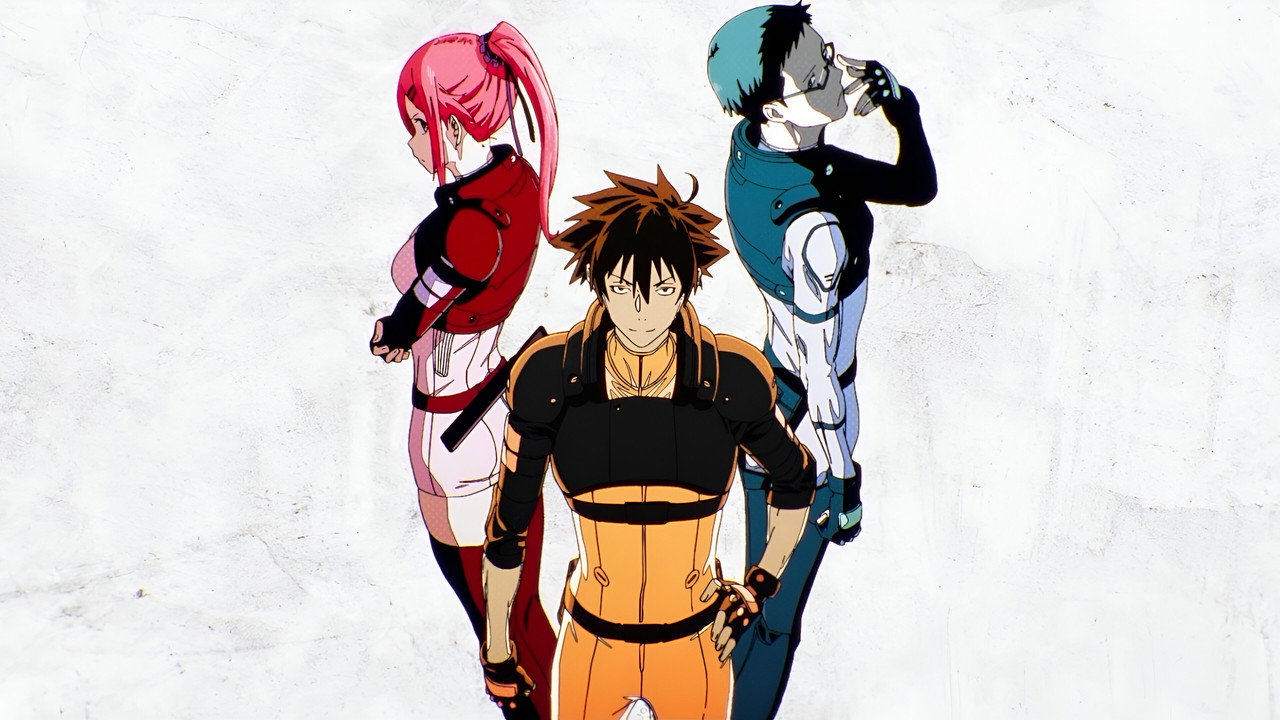
The Ending, Explained
Not every animated adventure needs a world-ending threat to feel important, and the finale of this 2026 release proves that point well. If you have been following Jiro and Rago through their strange partnership, you are probably hunting for a clear BLACK TORCH ending explained breakdown that sorts out what the last act actually accomplishes. The good news is that the conclusion is less about shock reveals and more about what the characters choose to do with the power they have been guarding all along. The final stretch pulls the threads of friendship, duty and sacrifice into a single knot, and it asks whether a weapon can ever be something more than a weapon.
Before diving deeper, it helps to frame the whole story in plain terms, because BLACK TORCH explained simply is the tale of a high schooler with hidden ninja training and a very unusual gift. Jiro Azuma can speak with animals, and that ability leads him to an injured cat named Rago. That cat turns out to be the legendary Black Star of Doom, a being whose power draws dangerous attention. The Bureau of Espionage steps in, and together they face swarms of mononoke eager to seize what Rago carries inside him.
What Happens
To describe the closing sequence without giving away the opening, the final act finds Jiro and Rago cornered by forces that have been circling them since the beginning. The mononoke are not a mindless mob; they are driven by a hunger for the Star's power, and the pressure builds until the Bureau's plans and Jiro's personal loyalty pull in different directions. Jiro must decide whether Rago is a comrade to protect or a danger to contain, and the answer he lands on shapes everything that follows.
Friendships formed earlier in the series get tested here. The people who stood beside Jiro when he was treated as an outcast now have to trust his judgment, and that trust is not automatic. Revenge and rescue collide as well, because some characters want payback while others want to save whoever is still reachable. If you are wondering what happens at the end of BLACK TORCH, the short answer is that the showdown resolves around protecting Rago rather than destroying him, and the Bureau's role shifts from containment to something closer to guardianship.
Viewers who enjoy supernatural team-ups with a martial arts edge may also want to try Akuma Kun, which shares a similar interest in spirits, secrets and young protagonists caught between worlds. The tone is different, but the fascination with the unseen is familiar.
The final confrontation itself leans on the training Jiro has carried since childhood. His shinobi background stops being a quirky detail and becomes the thing that lets him stand his ground. Rago, meanwhile, is not a passive prize to be rescued; the cat's own nature matters to how the night ends. That balance between protector and protected is what gives the last act its weight.
The Meaning Behind the Ending
So what should you take away from the resolution? The BLACK TORCH ending meaning sits in the idea that power is defined by the hands that hold it. Rago is called the Black Star of Doom, a title that sounds like a verdict, yet the story keeps insisting that a name is not a destiny. Jiro's choice to treat Rago as a friend rather than a threat is the emotional heart of the finale, and it reframes the whole conflict as a question of trust instead of combat strength.
There is also a quieter point about belonging. Jiro begins as an outcast, someone whose abilities set him apart and whose heritage makes him useful but never quite normal. By the end, the people around him accept the version of him that talks to animals and fights like a shinobi, and that acceptance is presented as a victory in its own right. The BLACK TORCH Rago ending therefore carries two resolutions at once: the immediate danger passes, and the lonelier, longer struggle of being understood finally eases.
The finale does not pretend that everything is settled. Secret organizations rarely disband after one good night, and the supernatural world does not run out of troublemakers. The story closes on a note of guarded hope rather than total peace, which suits a series built around a secret bureau and endless swarms of hostile spirits.
Themes You Might Have Missed
Underneath the action, the series keeps returning to a handful of ideas that the ending brings into focus.
- Friendship as armor. Jiro's connection to Rago and to his allies repeatedly matters more than raw power, and the finale rewards that investment.
- The burden of legacy. Being descended from ninjas gives Jiro tools, but it also gives him expectations he never asked for.
- Institutions versus individuals. The Bureau of Espionage represents order, and the story asks what happens when order and loyalty disagree.
- Names and reputation. Rago is labeled a doom-bringer, and the plot constantly challenges that label.
- Revenge versus rescue. Characters who want payback and characters who want to save people pull against each other, and the final act favors rescue.
The outcast theme deserves extra attention because it links the personal and the plot-level stakes. Jiro is an outsider among his peers, and Rago is an outsider among spirits and humans alike. Their partnership works because each recognizes the other's isolation. That is a familiar beat in supernatural adventure stories, and fans of misfit ensembles may find the same appeal in Ayakashi Triangle, where unusual abilities and spirit trouble keep the characters on the margins of ordinary life.
The Verdict on BLACK TORCH
At 8.1 out of 10 from a modest pool of voters, this is a title that has clearly connected with the people who found it, and the ending supports that goodwill. The conclusion favors character over spectacle, and it resists the temptation to undo its own emotional stakes with a cheap reversal. The animal-communication hook could have been a gimmick, but the finale treats it as a genuine bridge between Jiro and Rago, which is why the last act lands.
Is it flawless? The pacing of the closing stretch assumes you have been paying attention to the Bureau's internal tensions, and viewers who came only for fight choreography may find the resolution talkier than expected. Still, the payoff is coherent, the themes hold together, and the final image leaves room for more without demanding it. Anyone who enjoys martial arts, secret organizations and spirit mythology will find plenty to appreciate, and those craving a moodier team dynamic might also sample PERSONA5 the Animation for its own take on gifted outsiders banding together.
BLACK TORCH Highlights
The cast is a major reason the finale works. Ryota Suzuki anchors Jiro with a mix of teenage uncertainty and trained discipline, while Yoji Ueda brings weight to Rago's dual identity as a wounded cat and a legendary being. Sayaka Senbongi, Junya Enoki, Junichi Suwabe, Reina Ueda, Toshiyuki Morikawa and Nobuhiko Okamoto round out an ensemble that gives the Bureau and its adversaries real presence.
The animation leans into the physicality of shinobi combat and the strangeness of the mononoke, and the action direction keeps the supernatural elements readable rather than chaotic. The blend of genres — animation, mystery, action and science fantasy — could have been a mess, but the series keeps its focus on the bond between a boy and the cat he refuses to abandon.
Above all, the final act remembers that the best endings are about people, not power levels. Jiro's choice to stand by Rago is the answer the whole story was building toward, and it is an answer worth the wait.