Binnelanders (2005): Life and Drama at a Pretoria Clinic
A South African Afrikaans soap opera following the trials of staff and patients at the fictional Binneland Kliniek hospital in Pretoria.
October 17, 2026
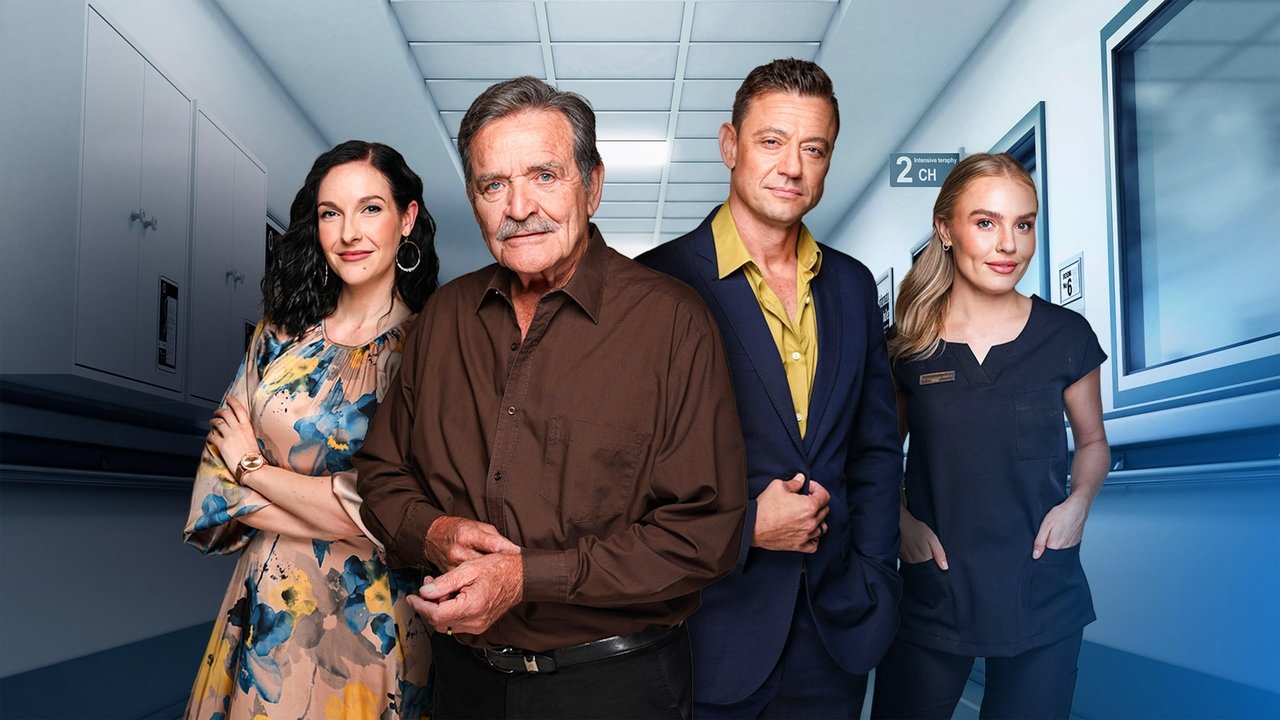
The Ending, Explained
Many fans searching for a concise Binnelanders ending explained will find that the series does not follow a traditional closed narrative. As a South African Afrikaans soap opera, it thrives on continuous storytelling centered on Binneland Kliniek, a fictional private hospital in Pretoria. The trials, trauma, and tribulations of the staff and patients form a tapestry that rarely ties itself into a single bow. Instead, the programme invites viewers to sit with discomfort and routine, much like real hospital corridors where one crisis replaces another.
Because the show is fundamentally a Binnelanders hospital drama, its final chapters (or the idea of an ending) reflect the same recurring struggles rather than a definitive conclusion. The ensemble cast, including Hans Strydom and Germandt Geldenhuys, carries the emotional weight through interpersonal conflicts that never fully dissolve. We deliberately avoid detailing the opening acts, as the strength of the later material can be appreciated without prior spoilers.
The production’s commitment to Afrikaans language and local colour gives the closure—or lack thereof—a specific cultural resonance. While some may expect a neat resolution, the format suggests that the clinic’s story is bigger than any single character arc. This perspective helps newcomers reframe what an ending might mean in a soap context.
If you enjoy classic ensemble formats, you might also appreciate Soap, which similarly balances comedy and melodrama across a large household.
What Happens
To grasp the Binnelanders end what happens, we must look at the overarching movement of the show rather than an isolated finale. The narrative follows the day-to-day and often high-stakes realities inside the hospital. Patients arrive with crises, staff members face personal demons, and the community around Pretoria reacts to each event. The rhythm of admission and discharge becomes its own kind of plot.
The Binnelanders ending meaning is tied to how these arcs intersect. While we avoid spoiling the early acts, it is safe to say that the later segments emphasize resilience. Characters like Je-ani Swiegelaar and Gerald Steyn embody the constant negotiation between professional duty and private pain. Their presence illustrates that the hospital is as much about the people working there as the ones being treated.
A full Binnelanders explained walkthrough would note that the soap’s structure relies on overlapping storylines. Marlee van der Merwe, Roberto Kyle, Antoinette Modise, and Megan Troskie each contribute threads that weave in and out of focus. The absence of a rigid timeline means the audience learns to value moments over milestones.
For those who like long-running medical settings, Casualty offers a British counterpart that also delves into emergency room dynamics week after week.
The Meaning Behind the Ending
Understanding the Binnelanders ending meaning requires accepting that a soap’s conclusion is frequently about tone rather than plot resolution. The fictional Binneland Kliniek becomes a microcosm for broader human experience, and the final act underscores the persistence of care amid chaos. There is a quiet dignity in the way the series refuses to pretend that healing is ever complete.
The show’s modest rating of 5.5 out of 10 from 112 votes reflects a divisive but committed audience. Some viewers crave the slow burn of Afrikaans storytelling, while others expect faster payoff. The ending, in spirit, honors the hospital’s eternal rotation of newcomers and departures, suggesting that every farewell is temporary.
This thematic stance distinguishes the programme from many imported soaps. By rooting itself in Pretoria’s imagined clinic, it speaks to local identity without sacrificing universal emotion. The significance of the final act lies in its repetition of hope against exhaustion.
Another show that mirrors this perpetual motion is Days of Our Lives, a serial that has kept fans guessing for decades without a true final curtain.
Themes You Might Have Missed
Beyond the surface, the Binnelanders hospital drama weaves in themes of language identity and community. The Afrikaans heritage is not just a backdrop; it shapes dialogue, conflict, and the moral framework of the clinic. The soap genre allows these elements to breathe across episodes, letting subtle cultural cues accumulate.
When we revisit Binnelanders ending explained through a thematic lens, we notice that trauma is presented as communal rather than individual. The trials of Marlee van der Merwe’s character or Roberto Kyle’s role ripple outward to affect the entire staff. This collective suffering is a quiet thesis of the series, reminding us that a hospital wall cannot contain pain.
Additionally, the drama tag is earned through relentless emotional escalation. Whether it is Antoinette Modise or Megan Troskie facing a tough shift, the writing insists that every victory is temporary. Themes of loyalty, burnout, and tender friendship surface repeatedly, rewarding patient viewing. Such layers are easy to miss if one expects a conventional mystery.
How Good Is Binnelanders, Really?
Objectively, the show sits at a modest 5.5 rating, but that number barely captures its cultural footprint. As a Binnelanders explained piece would note, quality in soap television is often subjective and tied to representation. For Afrikaans audiences, seeing their language and local settings on screen carries weight that aggregated scores miss. The performances anchor the material with sincerity.
The Binnelanders end what happens in terms of viewer satisfaction depends on expectation. Those approaching it like a finite miniseries may feel lost; those treating it as comfort television will find consistency. The hospital’s fictional nature never undermines the sincerity of performances from Hans Strydom, Germandt Geldenhuys, and the wider cast.
We should also acknowledge that the ensemble commits fully to the material, elevating routine scenes into something memorable. While the pacing may frustrate binge-watchers, the steady accumulation of small moments builds a world. In that sense, the show’s goodness is measured in attachment rather than perfection.
Binnelanders Scorecard
Let’s break down the essentials for quick reference:
- Genre: Soap, Drama
- Setting: Binneland Kliniek, Pretoria
- Language: Afrikaans
- Cast highlights: Hans Strydom, Germandt Geldenhuys, Je-ani Swiegelaar
- Rating: 5.5/10 (112 votes)
Ultimately, the meaning behind the finale rests on acceptance of life’s unfinished business. The show’s legacy is its steady portrayal of a hospital where every ending is just another beginning. If you ever need a recap of the clinic’s cycles, remember that its doors never truly close, and the staff remain eternally on call.