Bhabiji Ghar Par Hain (2015): Comedy of Neighborly Crushes
Bhabiji Ghar Par Hain (2015) is a Hindi sitcom following two neighboring couples whose husbands secretly admire each other's wives, causing comedic chaos.
October 25, 2026
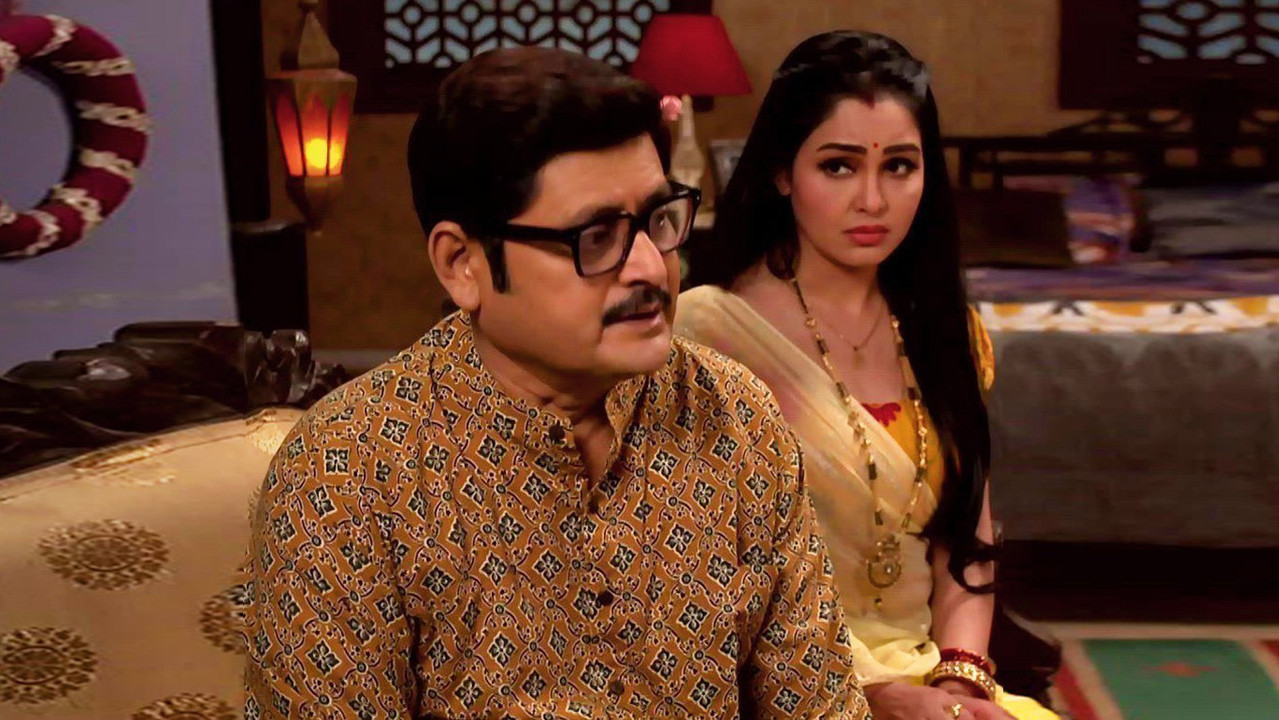
The Ending, Explained
When a long-running sitcom closes its chapter, viewers naturally crave a clear summary of the finale. Our companion article, Bhabiji Ghar Par Hain ending explained, looks at the final act without spoiling the early household setup. The series, which premiered in 2015 on And TV and later found a home on ZEE5, was produced by Binaifer Kohli and directed by Rajan Waghdhare. It follows two neighboring couples whose lives intertwine through silly ambition and daily misunderstanding. Blending comedy, drama, family warmth, and a soap-like rhythm, the program builds a world where the front door of one home is always within earshot of the other.
The earlier sitcom inspires the tone, and Bhabiji Ghar Par Hain explained shows that lineage from the 1990s show Shrimaan Shrimati. We see a familiar template: a dissatisfied husband looking over the fence at another man's wife. This structure powers the comedy across every episode, and the closing beats honor that tradition rather than breaking it. Because the show carries soap elements, the ending does not deliver a neat moral but instead a gentle pause in an ongoing conversation between neighbors.
What Happens
The narrative centers on Vibhuti Narayan Mishra, an unemployed former insurance agent, and his wife Anita, a confident modern woman who runs grooming classes. Next door lives Manmohan Tiwari, a successful undergarment businessman, with his simple and naive spouse Angoori. The husbands grow restless in their marriages and secretly admire each other's better halves, sparking constant schemes to impress the neighbor's wife. Their plans never escalate beyond the domestic sphere, yet they create enough noise for a multi-camera audience.
The show closes its run, and end of Bhabiji Ghar Par Hain leaves the couples trapped in the same comedic loop. Their plotting creates chaotic situations mostly confined to the two homes. The main cast, including Aasif Sheikh, Rohitashv Gour, Shilpa Shinde, Saumya Tandon, Shubhangi Atre Poorey, Neha Pendse, Saanand Verma, and Soma Rathod, keep the energy high through these repeated misunderstandings. Each performer leans into the exaggerated traits of their character, making the familiar beats feel fresh week after week.
The husbands keep scheming, and Bhabiji Ghar Par Hain funny moments capture their futile efforts to win affection across the wall. Whether it is a botched gift or a misunderstood invitation, the laughter comes from the gap between intention and result. The final stretch does not reboot the premise but gently repeats it, allowing regular viewers to say goodbye without losing the show's identity. A quick list of the core pairings helps clarify the setup:
- Vibhuti and Anita Mishra – the unemployed dreamer and his modern, grooming-class owner wife.
- Manmohan and Angoori Tiwari – the wealthy undergarment seller and his naive, traditional spouse.
- The neighboring homes – the literal stage where admiration and jealousy play out.
The Meaning Behind the Ending
A sitcom finale often worries fans who expect resolution, yet this show finds strength in stasis. The finale stays chaotic, and Bhabiji Ghar Par Hain ending meaning reveals the core theme of enduring neighborly envy. The men never truly abandon their crushes, and the wives never lose their distinct personalities, which suggests that marriage and proximity are perpetual sources of humor. By keeping the status quo, the writers acknowledge that the joke is the constant wanting, not the getting.
By refusing to mend the husbands' dissatisfaction, the writers confirm that the engine of the plot is the unfulfilled desire itself. The end does not punish the schemers nor reward them; it simply lets the audience watch the curtain fall on a familiar stage. That choice respects the soap-like routine while still delivering a closing chord. The significance of the final act is therefore not in change but in recognition of a pattern that viewers have grown to love.
Fans of this neighborly humor may also like The Beautiful Neighbor, which also plays with adjacent households and quiet obsession. Both titles use closeness as a catalyst for comedy rather than conflict.
Themes You Might Have Missed
Beneath the slapstick lies a soft commentary on class and modernity. Anita represents a self-made, educated woman, while Angoori embodies traditional simplicity. The husbands' admiration crosses both social lines, showing that discontent ignores status. The word neighbor becomes a keyword for the entire premise, as the two homes mirror each other in unexpected ways. Several motifs recur if you watch closely:
- The husband as a restless observer of another household.
- The sitcom convention of repeated failure without lasting consequence.
- The bhabiji figure as an idealized presence just out of reach.
- The blend of family soap with broad physical humor.
Another subtle thread is the role of the husband as both clown and dreamer. The sitcom format lets them fail weekly without consequence, a pattern that echoes older television families. Viewers who enjoy household comedies can explore The Jeffersons, a classic that also built humor from moving upward while staying rooted in domestic life. The comparison shows how the neighbor dynamic travels across cultures and decades.
For those interested in ensemble warmth, A Different World offers a contrasting setting yet shares the comfort of steady character beats. Both programs remind us that strong casting outweighs complex plots, a lesson this sitcom applies from its first scene to its last.
Our Take on Bhabiji Ghar Par Hain
The show earns its rating of 5.6 out of 10 from a small pool of eight votes, but critical reception has been kinder, praising the engaging storyline and light touch. We find the pacing accessible and the performances committed. The husbands' constant attempts to impress the other wife generate reliable giggles, and the domestic settings keep the scale intimate. For a streaming blog audience, the show is a low-risk pick that suits background viewing or focused binging alike.
The earlier episodes set the board, and Bhabiji Ghar Par Hain funny moments remain the show's brightest asset throughout. Even when the situations repeat, the cast's timing prevents fatigue. The comedic conflicts rarely leave the living rooms, which actually strengthens the cozy feeling. Our take is that the series knows exactly what it is and never pretends to be more, a virtue in the crowded sitcom landscape.
Bhabiji Ghar Par Hain Verdict
Ultimately, the series stands as a friendly, family-oriented sitcom that borrows from the past while carving its own rhythm. The closure, Bhabiji Ghar Par Hain ending meaning, reflects on marriage and neighborly envy without heavy sermonizing. If you want a show that laughs at the grass being greener next door, this fits perfectly. Its mixture of drama and soap texture gives it a unique shelf next to pure laugh-track comedies.
With genres spanning comedy, drama, family, and soap, it offers something for group viewing. The end of the broadcast run does not diminish the rewatch value, and the available episodes on ZEE5 keep the humor accessible. Our verdict is a cheerful yes for viewers seeking undemanding fun, especially those who enjoy stories where the neighbor's wife remains a permanent muse. The show's legacy is a reminder that sometimes the best ending is simply one more knock on the adjacent door.