Beware Boiúna (2026): Medical Mission vs Ancient Amazon Predator
A medical mission in the Amazon faces a colossal ancient predator in a desperate fight for survival.
November 8, 2026
The Ending, Explained
Our companion piece, Beware Boiúna ending explained, starts where the trailers stop and keeps the first act under wraps. The film from director Mike P. Nelson runs a tight 104 minutes, but its final stretch is where the real conversation begins. Without diving into how the group landed in the Brazilian wilderness, we can say that the last section pivots from tense hiding to open confrontation.
This article, Beware Boiúna explained, instead looks at how the last twenty minutes reframe the entire ordeal. The tagline promises "Witness terror on a gigantic scale," and the closing scenes deliver exactly that through a creature feature lens. Viewers who stuck around for the credits will notice that the narrative refuses to grant a clean victory.
The production carries a modest 6.2 out of 10 rating from 42 votes at the time of writing, suggesting that audiences are split on its blunt approach. Still, the ending invites dissection because it steps away from typical monster movie closure. Nature, not the heroes, gets the final word.
What Happens
We detail what happens Beware Boiúna end in the following summary, carefully avoiding the early character setups. By the time the jungle predator has thinned the ranks, the remaining survivors are forced into the open water and dense foliage. The colossal ancient serpent does not hunt like a typical animal; it reshapes the environment, turning the rainforest into a deadly battleground where every sound can be a death sentence.
The climax places the few left alive on a fragile raft and a mud-slick shore. A desperate fight for survival unfolds as the giant snake circles, guided by instincts older than the river itself. There is no secret weapon or sudden rescue; the conclusion simply lets the wilderness decide who lives and dies. That bleak calculus is the core of the finale.
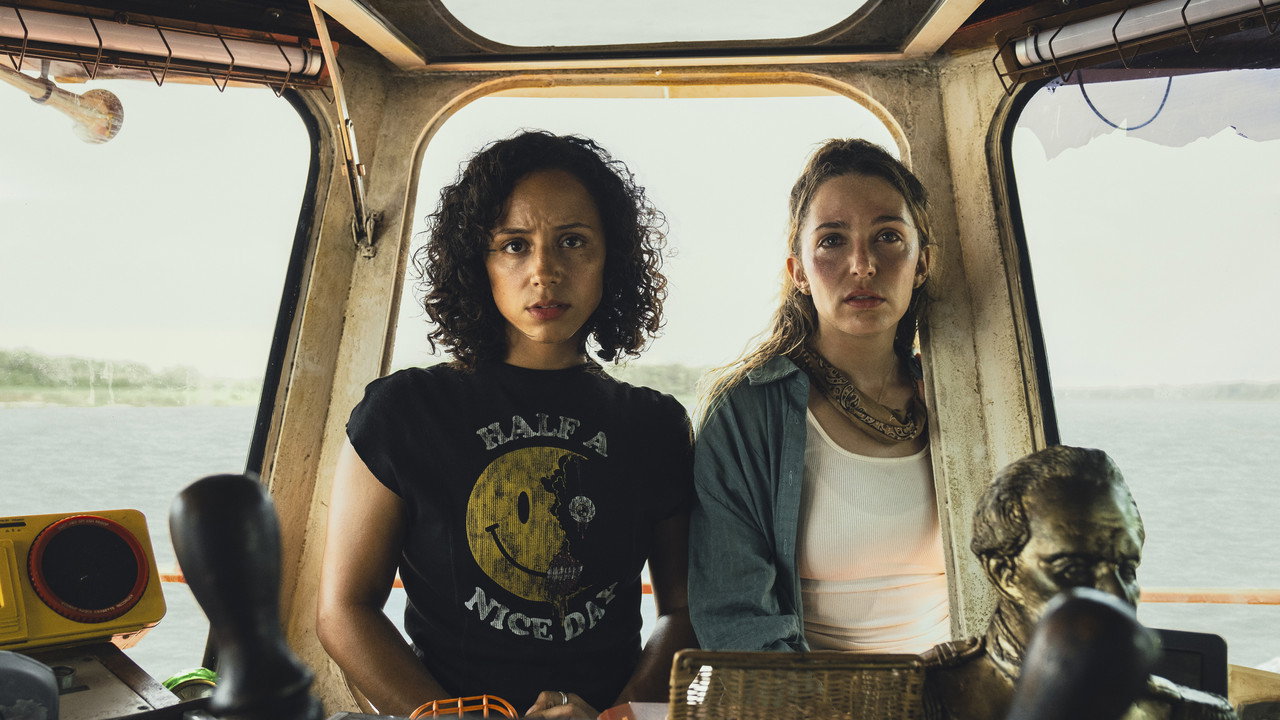
Kiana Madeira and Jessica Rothe, part of the ensemble that includes Will Close and Logan Marshall-Green, share a quiet moment that the camera lingers on before the last strike. The editing here abandons the jerky movements of the middle act and settles into wide, observational shots. This visual shift signals that the characters are no longer controlling their fate.
The Meaning Behind the Ending
The final image, Beware Boiúna ending meaning, leaves audiences with a question about who the true victim is. On one level, the conclusion speaks to the fragility of human life when confronted by a force that predates civilization. The Amazon rainforest is not a backdrop but an active participant, and the creature is its executioner.
Brazilian folklore weaves through the subtext, with the Boiúna figure representing a guardian of the dark waters. The movie uses that myth not as a lecture but as a justification for the carnage. When the credits roll, the message is clear: humanitarian intentions or personal bravery mean nothing against an awakened elder predator.
Survival horror often rewards cleverness, yet this story punishes the very notion that people can outthink the wild. The ending meaning therefore sits closer to eco-fatalism than to triumph. It is a creature feature that denies the creature feature payoff.
Themes You Might Have Missed
The looming threat, Beware Boiúna jungle predator, is rooted in Brazilian folklore about a serpent that guards the rainforest. Beyond the obvious animal attack spectacle, the script touches on humanitarian work and the arrogance of outsiders who believe they can navigate the Amazon untouched.
Survival itself becomes a theme rather than a guarantee. The label survival horror fits because the film strips away tools and communication, leaving only instinct. Another layered idea is the contrast between modern medical science and ancient creature lore; the two never reconcile, and that dissonance fuels the final act.
Animal horror tropes are present, but the runtime of 104 minutes keeps the pacing aggressive. Fans of giant snake movies will note that the design avoids supernatural glow, favoring a visceral, scaled enormity. The rainforest setting is shot with oppressive greens and browns, reinforcing the idea that every leaf hides a threat.
If you enjoy massive creature attacks, you might also like River of Blood, which also drops people into hostile terrain where the local wildlife fights back. The tone is similarly unforgiving.
The Bottom Line on Beware Boiúna
Mike P. Nelson's picture is a blunt instrument. The sound mix leans on repeated loud stings that stretch single moments into elongated jump scares, and the handheld camera jitter can fatigue viewers seeking calm. Yet the final act's willingness to let nature win makes the experience memorable for genre fans.
For those who want a deeper dive into water-based menace, Into the Deep offers another take on humans trapped with a lethal force below the surface. Both films share a commitment to practical-feeling scale.
The cast, including Juan Pablo Shuk and Jaime Newball, commit to the panic even when the script hands them flimsy motivations. That performance energy carries scenes that might otherwise collapse under the weight of the monster's slime-covered rampage. The rating of 6.2 suggests a polarizing but watchable ride.
Ultimately, the movie stands as a creature feature that values atmosphere over logic. If you can forgive the loud audio cues and the dubious choices made by characters in the midsection, the ending will give you plenty to discuss.
Beware Boiúna FAQ
Is the snake based on real mythology? The film draws from Brazilian folklore about a giant river serpent, though it takes liberties for horror pacing. The Boiúna name anchors the creature in local legend.
Does the film spoil easily? We have kept our breakdown free of first act details. The Beware Boiúna jungle predator appears early in the story, but its full scale is a finale reveal. That structure protects the initial mystery.
Where does it fit among action horrors? Think of it as a cousin to jungle hunt movies such as Predator, but with a natural beast instead of a sci-fi foe. The emphasis on survival and environment links the two.
What should viewers take away? The closing moments argue that the Amazon is not a playground. Any attempt to impose human order on it meets resistance of gigantic scale, literally and figuratively.
How long is the movie? The runtime is 104 minutes, tight enough that the final confrontation does not overstay its welcome even when the noise level peaks.