Better Call Saul (2015): Jimmy's transformation into Saul
Better Call Saul (2015) follows small-time lawyer Jimmy McGill's slow turn into the criminal attorney Saul Goodman, with Mike Ehrmantraut by his side.
October 22, 2026
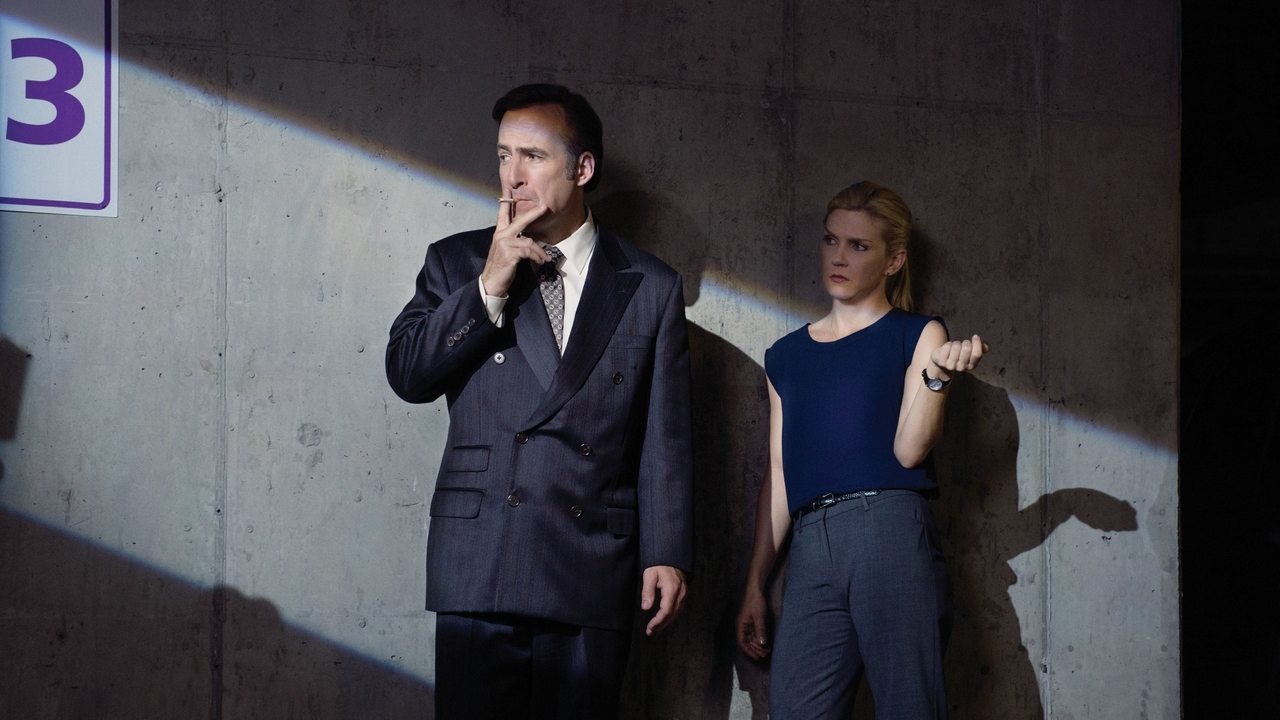
The Ending, Explained
When a long running crime drama finally closes its chapter, viewers often look for clarity. The final stretch of this neo-western legal saga delivers a quiet yet devastating resolution. Our Better Call Saul ending explained breakdown focuses on the last acts, where Jimmy McGill fully embraces the persona he once only flirted with. We avoid detailing the early episodes, because the first act’s charms speak for themselves; instead we examine how the conclusion pays off the slow moral slide that has been building through every season.
The series, a spin off set in New Mexico, traces a small-time lawyer’s path toward becoming the crooked lawyer known as Saul Goodman. By the finale, the transformation is complete, but not celebratory. The closing scenes mirror the show’s tagline about putting the “criminal” in “criminal lawyer,” yet they do so with a heavy heart. Fans of the earlier universe should also revisit Breaking Bad, which provides the inevitable backdrop for this prequel’s tone and reminds us of the world Jimmy is stepping into.
Visually, the ending uses careful framing seen throughout. Wide New Mexico shots contrast cramped rooms, showing Jimmy’s shrinking world. The pacing is a statement, not a flaw, trusting the audience to sit with discomfort.
What Happens
To understand what happens at the end of Better Call Saul, one must watch a man who has spent years hustling to make ends meet finally accept the consequences of his fabrications. The narrative does not rely on sudden twists; it shows a series of small decisions that compound. In the final episodes, Jimmy stands before authority and chooses a name that seals his fate. The Better Call Saul timeline places these moments six years before he encounters Walter White, yet the weight of his prior choices makes the timing feel earned rather than rushed.
Mike Ehrmantraut, the weary fixer, remains a contrast throughout, carrying his own accepted burdens. Kim Wexler’s parallel journey intersects with Jimmy’s in ways that avoid the usual romance clichés, showing two people entangled by ambition and guilt. The show’s deliberate pacing means the last hour is less about action and more about reckoning. There is dark comedy in the absurdity of legal loopholes, but the dominant note is tragedy.
Without spoiling the opening chapters, the final act brings brother against brother tension to a muted close. Family ties collapse under ego and survival. The closure is a confession, not a shootout, defining the wrap-up’s quiet tone. Viewers who expected fireworks may be surprised by how restrained the climax feels.
The Meaning Behind the Ending
The Better Call Saul ending meaning centers on identity and responsibility. Jimmy’s shift from idealistic brother to seasoned operator is not a leap but a drift, fueled by family relationships strained by brother against brother rivalry and a thirst for recognition. When the full arc is Better Call Saul explained, we see that the finale is less a punishment than a confession. The man who becomes Saul Goodman does not lose himself by accident; he builds that self piece by piece.
This is a story about moral conflict where every victory extracts a price. The New Mexico setting, with its blinding light and wide skies, becomes a character that underscores isolation. The ending suggests that reinvention is possible but never free. A viewer who appreciates grounded crime stories might also enjoy Mr Inbetween, a series that similarly balances tenderness with calculated violence and leaves room for reflection.
The finale is a neo-western tragedy where self-invention meets legal machinery, producing sorrow. Jimmy’s fate ties to those he used, asking if we can outrun our pretenses. The last scenes offer a quietly devastating answer about personal accountability.
Themes You Might Have Missed
Beyond the obvious lawyer drama, the show quietly explores romance as a partnership of equals rather than a subplot. Kim’s own contradictions reveal how good intentions erode when paired with risky schemes. The neo-western aesthetic blends frontier loneliness with modern corruption, making the courtroom feel like a saloon. Family relationships, especially the brother against brother tension, echo classic tragedy while staying grounded in petty human needs.
Dark comedy surfaces in the absurd procedural details, yet the underlying tragedy never lifts. The series also functions as a prequel that enriches a larger canon without imitating it. For those who like stylized criminal worlds, The Penguin offers another take on a crooked lawyer’s city, though its tone is more theatrical. Here, the focus stays on personal decay rather than spectacle.
Other motifs include the cost of ego and the search for destiny in a profession built on loopholes. The rating of 8.717/10 from thousands of votes reflects how audiences connected with this intimate scale. Bob Odenkirk leads a cast that includes Jonathan Banks, Rhea Seehorn, Tony Dalton, and Giancarlo Esposito, each adding texture to the moral maze. The theme of moral conflict is not preached but shown through tiny gestures: a glance, a withheld phone call, a fabricated document.
Romance here is shared descent, not rescue. The central pair enable worst instincts believing they protect each other, elevating the show. Dark comedy highlights law versus truth.
The Bottom Line on Better Call Saul
This is not a show that chases explosive finales; it earns its closing through patience. The final act confirms that the transformation into Saul Goodman was always going to be a tragedy, not a triumph. Viewers who began with the spin off will find the conclusion both satisfying and mournful. It respects the intelligence of its audience by trusting silence and nuance over fireworks.
While it lives in the shadow of a revered predecessor, the series stands on its own as a character study. The careful editing, the Albuquerque visuals, and the restrained performances create a coherent whole. If you value slow-burn crime dramas with legal edges, this one deserves your time. The ending does not tie every thread with a bow, but it honors the journey.
Few shows blend prequel and standalone meditation like this. Neo-western aura and court intrigue make the finale timeless, rewarding rewatches.
Better Call Saul Need to Know
For quick reference, here are the essentials about the program:
- Title: Better Call Saul (2015)
- Genres: Crime, Drama
- Rating: 8.717/10 based on 7002 votes
- Tagline: Putting the "criminal" in "criminal lawyer."
- Main cast: Bob Odenkirk, Jonathan Banks, Rhea Seehorn, Tony Dalton, Giancarlo Esposito
- Setting: New Mexico, six years before Saul meets Walter White
- Key themes: moral conflict, crooked lawyer, prequel, romance, dark comedy, family relationships, tragedy, brother against brother, spin off, neo-western
The plot tracks Jimmy McGill’s transformation into Saul Goodman, working alongside fixer Mike Ehrmantraut. The series rewards patience and offers a final act that lingers. Whether you came for the legal hustles or the moral questions, the ending provides a somber answer. The combination of strong writing and committed performance makes this a benchmark for thoughtful television.