Bares für Rares (2013)
In the show, selected applicants each present a curiosity, rarity or antique they have brought with them. Once they have received their expertise, they will have the opportunity on site to offer their exhibit to a changing five-person podium for sale and, ideally, to sell it to the highest bidder for „Bares“ ("cash").
October 27, 2026
The Ending, Explained
When people search for closure in a reality format, they often look at how the final minutes unfold. The Bares für Rares ending explained is rooted in the show's simple yet effective structure: ordinary individuals bring a personal treasure, listen to an expert's assessment, and then face a group of potential purchasers. The conclusive scene is not about plot twists but about human interaction and the transfer of ownership for cash. Each episode builds toward that handshake or polite refusal.
Unlike scripted series, this documentary-style program does not rely on a hidden reveal. Instead, the last act shows the applicant behind a small stage, presenting the evaluated object to five seated traders. Those traders ask questions, express doubts, and eventually name a price. The seller can accept or walk away. That negotiation is the resolution viewers wait for, and it carries a surprising emotional weight given the modest setting.
The format avoids artificial drama. There are no buzzer beats or voted eliminations. The ending is simply the result of conversation, knowledge, and willingness to pay. For fans of treasure-hunting formats, Salvage Hunters Best Buys provides a complementary look at acquiring remarkable pieces from forgotten corners.
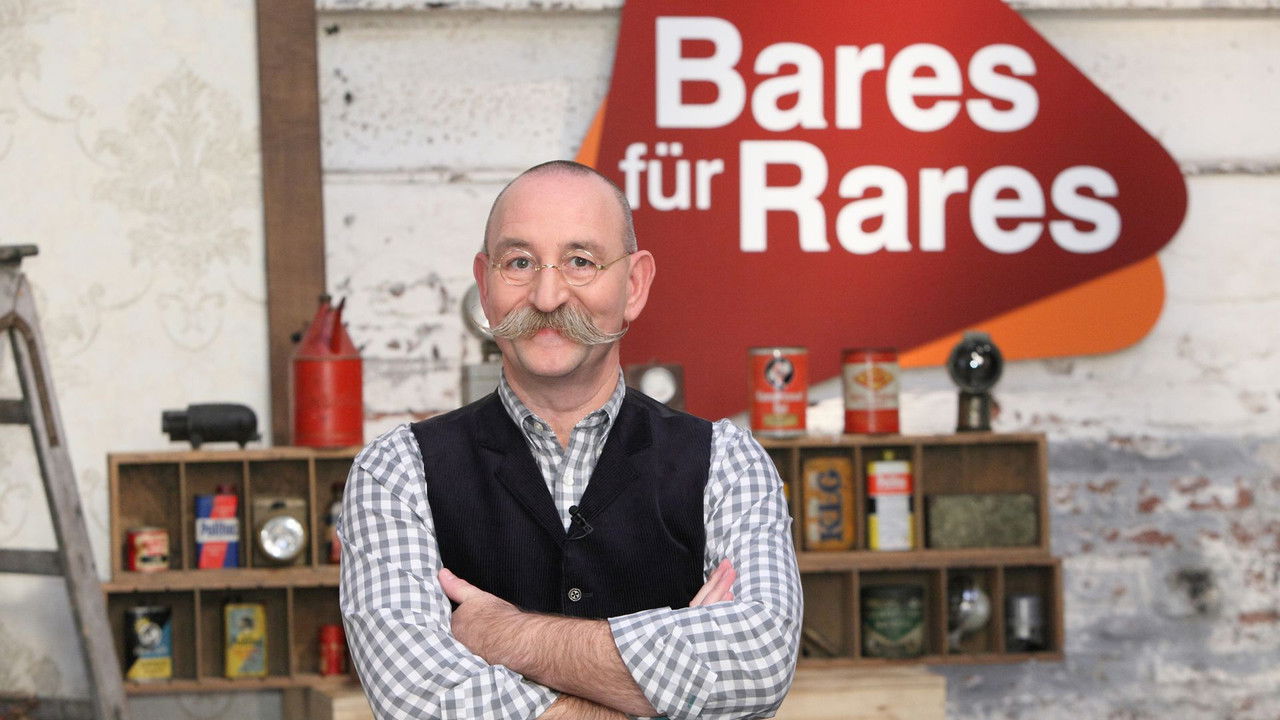
Understanding the conclusion also requires acknowledging the role of the host. Horst Lichter keeps the tone warm, while the expert delivers the facts that frame the final offer.
What Happens
After the specialist has shared historical context and condition reports, the program shifts to its decisive marketplace. The Bares für Rares end outcome typically involves a cash deal with the highest bidder among the panel. There is no elaborate finale; the camera stays on the faces of the seller and the five buyers as numbers are spoken aloud. The simplicity is deliberate.
During this stage, the host guides the conversation, but the power lies with the podium. They might start low, then rise incrementally when competition sparks. The applicant hears the final sum and must decide quickly. This moment is the practical climax of every episode, showing whether expertise translates into financial reward. Sometimes the panel passes entirely, and the item returns to its owner.
The Bares für Rares explained formula satisfies curious minds with its blend of talk and discovery, never overstaying its welcome before the crucial sale. Each installment follows the same skeleton, yet the objects differ enough to feel fresh. A piece of jewelry, a strange mechanical device, or a painting each prompt distinct negotiations.
What happens in the background is also telling. The five buyers represent varied interests, from art history enthusiasts to resellers. Their interplay creates a miniature market live on television, demonstrating how value is negotiated in real time.
The Meaning Behind the Ending
The conclusion of each installment carries more weight than a simple transaction. The Bares für Rares ending meaning becomes clear when we consider what the cash represents: validation of an item's story and the expert's teaching. A successful sale affirms that the curiosity held personal and monetary value, bridging the gap between private keepsake and public commodity.
Conversely, when an item fails to meet the seller's quiet hopes, the ending still provides closure. The applicant leaves with knowledge about art history or craftsmanship, even if the podium declines. The final act thus underscores a gentle life lesson about letting go and recognizing worth beyond price tags. The show respects both outcomes equally.
Meaning also emerges from the contrast between expectation and reality. Many participants arrive unsure of what they possess. By the end, they understand its place in a broader narrative of design and culture.
Themes You Might Have Missed
Because the program masks its depth beneath cheerful banter, some viewers overlook its quiet educational core. The Bares für Rares antiques show format naturally weaves in discussions of jewelry, rarity, and preservation. Each object acts as a doorway into a specific era or technique, making the broadcast a casual lecture disguised as entertainment.
Attention to haggling reveals a social dance built on respect and skepticism. Expertise is portrayed as a bridge between owner and buyer, while curiosity drives both sides to learn. If you appreciate artistic heritage, Becoming Frida Kahlo explores a different facet of creative legacy through a documentary lens, showing how personal artifacts gain cultural weight.
Another subtle thread is the emotional attachment to possessions. The final negotiation often exposes how families treasure oddities, linking private memory to public valuation. Themes of art history appear when a specialist traces a motif, while jewelry segments highlight craftsmanship. Rarity is never just about scarcity; it is about the story that makes an item irreplaceable.
The theme of expertise also deserves notice. The show treats knowledge as a shared resource rather than a gatekeeping tool.
How Good Is Bares für Rares, Really?
With a current rating of 7.5 out of 10 based on a modest sample of ten votes, the series holds a steady reputation among niche audiences. Its hosts, Horst Lichter and Volker Wolf, bring approachable charm to the talk-and-reality blend, making the expertise feel inviting rather than academic. The rating suggests satisfaction without mainstream explosion.
Critics of standard makeover television may find the unhurried pace refreshing. The show does not manipulate outcomes; it presents genuine antiques and real offers. For a contrasting take on unusual subjects, Bizarre Foods with Andrew Zimmern pushes curiosity to culinary extremes, yet shares the same spirit of discovery that defines this program.
Ultimately, the program's quality rests in its repeatable format: every episode delivers a self-contained story of evaluation and potential sale. The documentary genre elements keep it grounded, while the reality framing adds spontaneity. It will not suit those craving high stakes, but it rewards patient viewers with gentle illumination.
Bares für Rares in Short
This documentary-reality hybrid proves that a straightforward concept can sustain engagement. By focusing on the final exchange of cash for curiosities, it turns ordinary people's attics into stages of human connection. The combination of Horst Lichter's guidance and Volker Wolf's presence, along with the rotating panel, creates a reliable rhythm that comforts regular watchers.
Viewers seeking light entertainment with a learned edge will appreciate the balance of talk, reality, and documentary elements. Whether an item sells for a fortune or returns home unsold, the ending always reflects the show's respectful look at objects and their keepers. In a crowded streaming landscape, this German production offers a calm corner for the curious.
The show's strength is its refusal to overproduce. It presents expertise, haggling, and rarity in equal measure, then steps back. That restraint is its signature.