Banshee (2013): Why the Finale Still Hits Hard
A spoiler-light look at how Banshee's finale pays off four seasons of secrets, identity, and small-town crime.
November 24, 2026
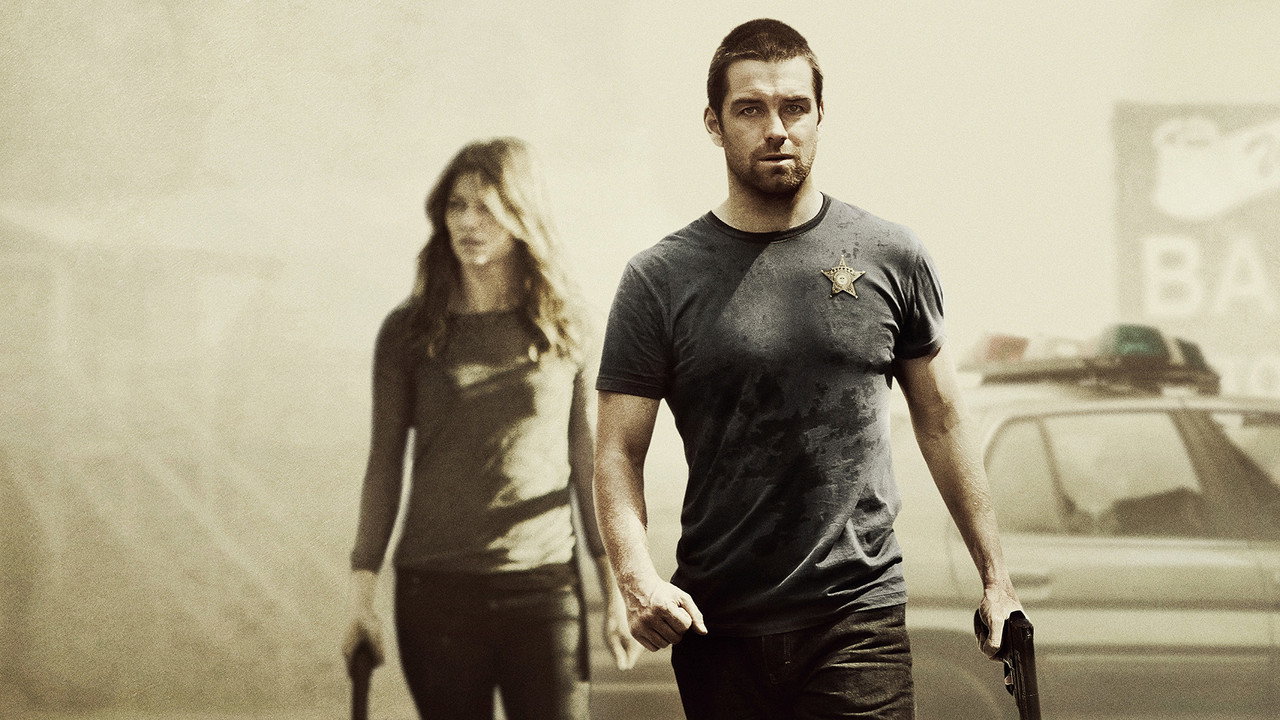
The Ending, Explained
Very few crime dramas stick the landing the way this one does, and that is why so many viewers go looking for the Banshee ending explained in detail after the last credits roll. The series spends four seasons building a world where almost nobody is who they claim to be, so it makes sense that the finish line is less about one big twist and more about paying off the choices that piled up along the way. If you have just finished the show and feel like you need a moment to process it, you are not alone.
The finale works because it refuses to pretend the past can be erased. Every major character has been running from something since the beginning, and the closing chapter forces most of them to stop running and face what they left behind. That is the emotional engine of the whole thing.
What Happens
To understand what happens at the end of Banshee, you have to remember how much of the story rests on a single deception. An ex-con slips into the life of a small-town sheriff and spends years improvising his way out of trouble, using the badge as cover while quietly planning jobs that serve his own interests. By the final stretch, the web of lies has tightened around him, the local crime boss has his own reckoning coming, and the people who once trusted him are asking hard questions.
The last episodes pull all of those threads together. Alliances shift, old debts come due, and several characters get the kind of closure the show had been withholding for seasons. Some walk away. Some do not. The tone stays true to the series right to the end: brutal, tense, and strangely tender in the quiet moments between the chaos. Fans who want another slow-burn crime saga after this should try Boardwalk Empire, which shares that same appetite for ambition and consequence.
The town itself becomes a character in these final hours. The Amish country setting, the slaughterhouse, the back roads, all of it feels like it is closing in. The resolution is not tidy, and that is deliberate.
The Meaning Behind the Ending
The Banshee ending meaning is rooted in identity. The man at the center of the story built a life on a stolen name, and the finale asks whether a person can ever truly become the role they are playing. The answer the show offers is complicated: he is not redeemed in any simple sense, but he is also not the same person who arrived in town all those years ago.
There is also a strong thread about justice versus law. The badge was never legitimate, yet it let him protect people the system had failed. The ending quietly argues that what we do matters more than the paperwork behind it, without letting anyone off the hook for the harm they caused. For a different take on crime and secrets, The Gold explores how ordinary people get pulled into extraordinary trouble.
Themes You Might Have Missed
The show is loud and violent, but underneath it there is a careful study of double lives. Everyone here is hiding something: the sheriff, the deputy, the hacker, the Amish family with a dark undercurrent. The Banshee series finale explained properly has to account for all of them, because the ending spreads its attention across the whole ensemble rather than handing one hero a clean victory.
- Reinvention: the idea that a new name can be a fresh start or a trap.
- Loyalty: who stays when the truth comes out, and who was only ever there for convenience.
- Violence as currency: force gets results, but it also burns bridges that took years to build.
- Faith and hypocrisy: religious communities and criminal enterprises often sit closer together than anyone admits.
The hacker subplot deserves a mention too. Technical skill becomes a kind of power that rivals brute force, and the finale uses it to remind viewers that information is its own weapon. If you enjoy that angle, The Hack leans into digital intrigue in a way that should appeal.
Our Take on Banshee
For a series that many dismissed as pulp, the ambition is real. The performances carry it: Antony Starr makes the central deception feel human rather than gimmicky, Ivana Miličević brings steel and warmth to a role that could have been one-note, and Ulrich Thomsen gives the town's crime boss a cold menace that lingers long after the credits. Frankie Faison and Hoon Lee round out a cast with almost no weak links.
It is not a subtle show. It never wanted to be. But when you strip away the gunfights and the chaos, what remains is a story about a man who borrowed someone else's life and slowly discovered he had built a real one. That is why the Banshee explained conversation keeps coming back years after it aired: the premise sounds like a B-movie, but the execution earns something closer to tragedy. The finale respects that, and it is the reason a rewatch almost always reveals new details.
Banshee Summary
At its core, this is the story of an ex-con who assumes the identity of a murdered sheriff in Pennsylvania Amish country. He enforces his own version of justice while scheming for personal gain, all while dodging a crime boss, a complicated deputy, and the consequences of a past that will not stay buried. Across four seasons the show builds a world of robberies, double lives, and quiet desperation, and it closes on a final act that is as brutal as it is cathartic.
If you love crime drama with sharp writing, moral ambiguity, and a cast that clearly relishes the material, this one deserves a spot on your watchlist. The ending will not give you easy answers, but it will give you something to think about long after the lights come up.