Atashin'chi (2002): A Slice of Everyday Family Comedy
Atashin'chi (2002) is a lighthearted animated comedy about the daily life of the Tachibana family, including mom, dad, and teens Mikan and Yuzuhiko.
October 24, 2026
The Ending, Explained
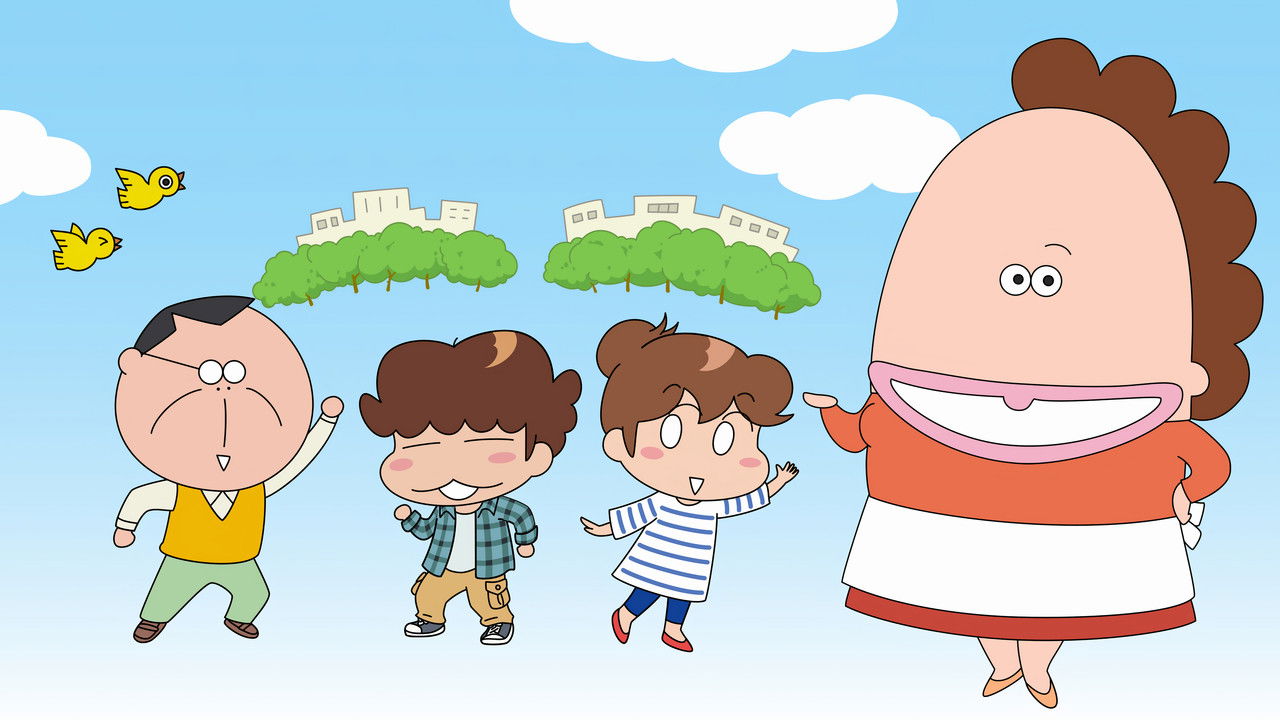
Atashin'chi arrived in 2002 as an animated comedy built from the pages of a manga. It follows the Tachibana household, a crew made of a housewife mother, a salary-man father, and two teenagers named Mikan and Yuzuhiko. The genre label Atashin'chi lighthearted comedy fits the daily vignettes they share, because every episode leans into small moments instead of high stakes. The show breathes with the rhythm of a real home where nothing explosive occurs, yet everything feels alive.
Because the source material is a slice of life strip, the closure does not aim to surprise. The term Atashin'chi ending explained appears often in search bars, yet the show itself is modest and resists dramatic turns. Viewers who expect a mystery will find a mirror of ordinary weeks instead. The final bow is less a curtain fall and more a pause before the next morning.
We can present the concept Atashin'chi explained to help new viewers understand that the finale is a return to routine rather than a plot twist. The Tachibana family simply keeps living, and that continuity is the point. The mother manages the home, the father returns from office work, and the siblings bicker with gentle humor. Such a structure honors the manga's original beat, where chapters rarely concluded with fanfare.
The Tachibana home represents a middle class parents setup that many audiences recognize. The husband wife relationship is shown through shared glances and unspoken teamwork rather than grand confessions. This quiet portrayal is why the series earns its joyful theme without ever raising its voice. The animation comedy format allows these beats to land with a soft smile.
If you enjoy household routines, you might also like Silver Spoon, which also depicts everyday growth outside the city and finds lessons in chores.
What Happens
The phrase what happens at end of Atashin'chi appears in forums, but we keep it simple: the family continues their ordinary schedule. There is no cliffhanger that rewrites the first minutes. Instead, the last stretch shows the same middle class parents and their children handling familiar tasks with warmth. We intentionally avoid the early act so that fresh viewers can meet the clan at their own pace.
Without spoiling the opening, we can say the final act stresses the husband wife relationship through quiet check-ins. The father may read a paper while the mother cooks; Mikan and Yuzuhiko exchange typical sibling remarks. These scenes confirm that domestic life is the true subject, not a hidden conspiracy or time jump. The camera lingers on tea cups and homework, reaffirming the slice of life promise.
The teenagers, voiced by Kumiko Watanabe and Daisuke Sakaguchi among the cast, embody the playful friction of family life. Their presence keeps the tone light, while the parents, played by Fumiko Orikasa and Kenichi Ogata, ground the chaos. This balance is a hallmark of the anime's construction.
For those who want a darker tone, Black Jack offers a stark contrast to this cozy home, trading family dinners for operating rooms and moral puzzles.
The Meaning Behind the Ending
The discussion of Atashin'chi ending meaning shows a focus on family continuity. The show suggests that joy resides in repeated small kindnesses rather than grand events. By closing on an ordinary evening, the narrative honors the rhythm of real households. The Tachibana family does not need a finale fireworks display to feel complete.
Part of the significance lies in the middle class parents' steady presence. Their partnership is not flashy, yet it anchors the teenagers. The anime uses its last moments to reaffirm that family life is a safe harbor, which matches the joyful tag attached to its themes. In a culture saturated with high-octane plots, this restraint becomes a statement.
We can read the conclusion as a celebration of domestic life itself. The housewife mom and salary-man dad continue their roles with grace, suggesting that the ordinary is worth treasuring. That message is the core of the show's gentle philosophy, and it leaves viewers with a settled heart.
Reflective viewers might compare this to Neon Genesis Evangelion, a series that also probes human connection but through sci-fi upheaval rather than calm domesticity.
Themes You Might Have Missed
Several threads run through the background if you watch closely. The series is firmly based on manga, and that origin shows in its panel-like scene breaks. It celebrates family and anime culture without heavy sermons. The following points collect the subtle currents:
- Slice of life storytelling that never rushes the characters
- Domestic life centered on a housewife mom and salary-man dad
- Husband wife relationship shown through small gestures
- Middle class parents navigating ordinary budgets and routines
- Family life framed as joyful rather than stressful
- Anime craft with voice work from Kumiko Watanabe, Fumiko Orikasa, Daisuke Sakaguchi, Kenichi Ogata
- Adaptation faithfulness that keeps the source manga's calm pulse
These elements reward patient viewing. The Tachibana home feels real because the writing trusts silence and mundane chat. A viewer who blinks might miss a joke, but the warmth remains. The show's comedy is not slapstick; it is the humor of recognition.
Is Atashin'chi Worth Your Time?
The recorded score of 8.4 out of 10 from fifteen votes signals a warm reception among those who tracked it down. While the sample is small, the rating matches the show's gentle aims. If you want explosive plots, look elsewhere; if you value a calm laugh, this is a fine stream. The absence of a convoluted finale is a feature, not a flaw.
In a crowded anime market, a family comedy that knows its scope is refreshing. The Tachibana unit welcomes you like a neighbor, and you leave feeling lighter. The lighthearted comedy label is earned through consistent tone rather than forced gags. For a relaxed evening, the series delivers exactly what it promises.
Newcomers should remember that the show is an anime about family, not a thriller. Lower expectations of twist and raise expectations of comfort. That mindset unlocks the best experience.
Atashin'chi Quick Facts
- Title: Atashin'chi (2002)
- Genres: Animation, Comedy
- Plot: Daily life of a normal Japanese family with mom, dad, Mikan, Yuzuhiko
- Main cast: Kumiko Watanabe, Fumiko Orikasa, Daisuke Sakaguchi, Kenichi Ogata
- Rating: 8.4/10 (15 votes)
- Themes: husband wife relationship, slice of life, domestic life, based on manga, family, anime, middle class parents, family life, joyful
- Type: Series adapted from a manga, focusing on household moments
The blend of these facts makes the series a tidy pick for a relaxed evening. The ending simply closes the door softly, leaving the family exactly where they belong. That quiet exit is the show's final gift.