Arthur (1996): Why This Aardvark's Tales Resonate
A gentle animated series following eight-year-old aardvark Arthur Read and his family through everyday childhood moments.
November 4, 2026
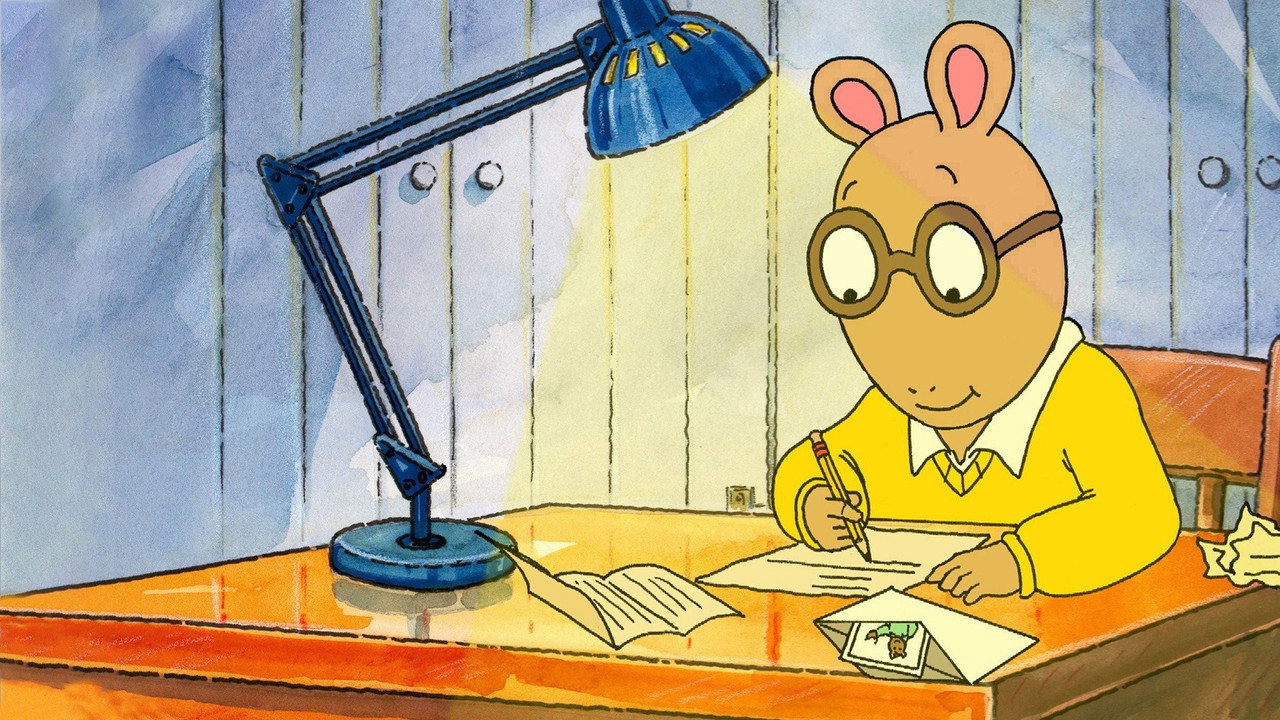
The Ending, Explained
When audiences look up Arthur ending explained, they are usually trying to make sense of how a quiet children's program brings its tales to a close. The show centers on Arthur Read, an eight year old anthropomorphic aardvark, yet it rarely builds toward a dramatic finale within its everyday episodes. Instead, the last segment of a story revisits the bonds between the aardvark and his household or schoolmates. The tone stays light, matching the tagline "What a wonderful kind of day!" that frames the series. We will not detail the opening scenes, but it is fair to say the closure highlights understanding rather than conflict. Viewers see characters apply small lessons about fairness and friendship. This structure is why the program remains a gentle watch for families who appreciate meaningful conclusions.
The animation style supports this resolution by keeping expressions clear and humor mild. Rated 7.0 out of 10 by a modest pool of voters, the title has earned a place among classic educational cartoons. Its roots as a property based on children's book traditions inform the calm pacing. The final moments leave room for the characters to absorb the day's social experiences rather than perform extravagant acts. That reflective quality is the essence of the breakdown fans seek when they ask how the series resolves its narratives.
What Happens
To address what happens end of Arthur, one must consider the format of the program. Because it revolves around daily interactions with friends and family, the later portion of an installment typically settles any misunderstanding that arose earlier. The aardvark returns to his elementary school environment or his home, and the people around him acknowledge the small victory of learning something new. No fabricated plot twists appear; the narrative simply allows the characters to practice the life lessons hinted at in the premise. The cast, including voices like Bruce Dinsmore, Jodie Resther, and Daniel Brochu, deliver these beats with warmth. This is the pattern that defines the show's conclusions without spoiling the first act.
While we avoid early setup details, it is useful to note that the supporting players such as Melissa Altro and Sonja Ball help ground the final scenes. The writing keeps the focus on relatable situations drawn from elementary school and home life. Those beats are the happening at the end. They may seem uneventful, but for a young audience they carry the weight of accomplishment. The educational goal is met without lectures, which is a craft worth appreciating in long running kids' television.
The Meaning Behind the Ending
Exploring the Arthur ending meaning reveals a deliberate message about childhood development. The series is built on themes of elementary school life, educational growth, and moral instruction. When the story winds down, the point is that mistakes are fixable and kindness matters more than being right. The anthropomorphic setting lets kids see themselves in an aardvark, making the moral approachable. By anchoring the close in daily interactions, the show tells its audience that every ordinary day holds a chance to improve. That is why the tagline feels like a reward rather than a slogan printed on merchandise.
This significance is amplified by the source material. Being based on novel or book adaptations, the program carries a literary tradition of wrapping fables with a clear takeaway. The final act is less about spectacle and more about emotional resolution. Parents looking for substance will find that the ending meaning aligns with raising empathetic children. It is a quiet achievement in the animation, comedy, kids, and family genres that the show occupies.
Themes You Might Have Missed
Beyond the obvious comedy, several threads run through the show. The label based on children's book is not just a credit; it shapes the structure of each life lesson. Educational content appears naturally in classroom scenes and family talks. Themes of elementary school challenges are woven without heavy framing. Another subtle layer is the dynamic among Arthur's friends and relatives, showing a community that supports one another. For viewers who enjoy this style, Recess offers a similar look at schoolyard society from a different angle.
Additionally, the program's status as a gentle family comedy does not diminish its informative side. The blend of humor and guidance is a trademark of quality kids' animation. If you want another educational adventure, The Magic School Bus extends the idea of learning through characters' experiences. Both titles prove that entertainment and instruction can share the screen. Themes of empathy, responsibility, and curiosity are the true backbone of the genre, and Arthur wears them openly by the time credits roll.
Should You Press Play on Arthur?
Considering its track record, the answer is yes for households seeking gentle content. As an Arthur family comedy, it provides a safe space for children to laugh and reflect. The 7.0 rating suggests a solid, if not groundbreaking, reception, but the longevity speaks louder than numbers. The show's ability to present life lessons without preachiness is a rare gift. Cast members such as Arthur Holden and Tracy Braunstein contribute to a consistent ensemble feel. For a modern contrast in tone, Unikitty! delivers brighter comedy while still aiming at family viewers. Both have merits depending on mood.
If you value stories that close with a reassuring note, this series fits. The absence of harsh conflict makes it ideal for younger kids, yet the writing has enough wit for adults nearby. Pressing play means inviting a wonderful kind of day into your living room, exactly as the tagline promises. The educational and based on children's book heritage ensures that each viewing leaves a small positive residue.
Arthur Explained
For those who need Arthur explained in one sitting, the concept is straightforward. It is an animated comedy for kids and families that follows an eight year old aardvark named Arthur Read through his school and home life. Derived from children's literature, the episodes teach through everyday scenarios rather than grand quests. The main cast brings personality to the aardvark, his sister, and his circle. Genres listed include animation, comedy, kids, and family, which matches the soft pacing. The show's endurance comes from respecting its audience's intelligence while keeping the mood light. That is the full picture without spoiling any single story's start.
Ultimately, the program stands as a template for educational cartooning. It balances the based on novel or book heritage with original television rhythms. Whether you approach it for the humor or the lessons, the experience is coherent and welcoming. The ending, the meaning, and the daily happenings all serve one goal: helping children grow with a smile while enjoying a wonderful kind of day together with their families.