Angel and the Badman (2026): Mercy That Defies His Past
A wounded outlaw must choose between the love of a rancher's daughter and the violent past closing in on his new home.
October 16, 2026
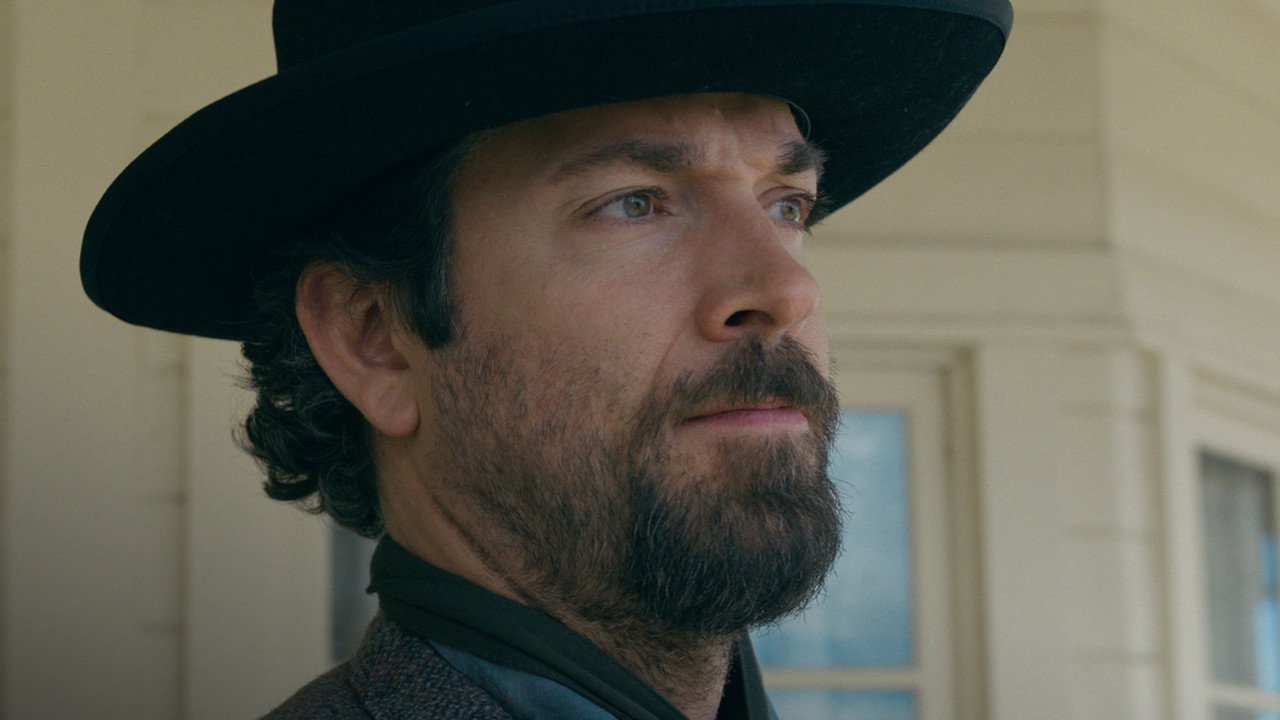
The Ending, Explained
The new Western from Julio Quintana runs a tight 105 minutes, but its final stretch carries the weight of the whole story. A wounded outlaw finds unexpected mercy in the care of a rancher's daughter, and that mercy sets up the closing dilemma. Our Angel and the Badman ending explained guide stays away from the early scenes so you can watch the first act fresh.
This breakdown looks only at the last movement of the film. The hope of love pulls the outlaw toward a different life, yet the law and his violent past close in on his new home. That pressure creates the pivot on which the finale turns. We do not describe how he got the wound or how he met the family, because those moments are better seen unspoiled.
Instead, we focus on the moment when he must choose the kind of man he will become. The rating of 9.0/10 from a single early vote suggests preview audiences reacted well to this restrained climax. As a remake, the picture trims the usual gunplay to make room for that internal debate.
Quintana frames the closing scenes with open plains and quiet interiors, letting the performer choices carry the tension. Zachary Levi leads the cast as the outlaw, with Neal McDonough, Tommy Lee Jones, Meg Fraser, Jean Louisa Kelly, Barrett Ellis Luca, Melissa Chambers, and Maurice Greene filling the world around him. The ensemble keeps the final act grounded.
What Happens
By the time the ranch stands under threat, we know what happens at the end of Angel and the Badman: the outward forces of the law and the inward pull of old violence meet at his doorway. The script does not stage a large battle. It stages a decision. The rancher's daughter represents the life he might keep, while the arriving authorities represent the life he fled.
The outlaw's past is not shown in flashback here; it is felt through the way other characters speak and step back. When the moment arrives, he is offered a path that could erase his crimes or a path that could cost him the woman who nursed him. The film trusts the viewer to fill the silence between those options.
Fans of slow-burn genre pieces might appreciate Day of Reckoning, another 2025 title where a personal history catches up to a quiet protagonist. The similarity is in tone, not plot.
The action-adventure label fits because there is movement and risk, but the romance threads through every step. The runtime leaves little room for side quests, so each scene pushes the central choice forward. We avoid detailing the first act, but the final twenty minutes are where the setup pays off.
The Meaning Behind the Ending
Understanding Angel and the Badman ending meaning helps viewers see the film as a study of identity rather than a simple shootout. The outlaw is not reformed by a speech; he is reformed by being given mercy when he expected none. That mercy becomes the lens for his final act.
The closing choice is less about surviving and more about naming who he is. If he chooses the law, he accepts a self he thought dead. If he chooses the rancher's daughter, he builds a self he has never been. The movie leaves the exact outcome ambiguous enough to invite discussion, yet clear enough to feel earned.
As a remake, the new version shifts emphasis from external chase to internal settlement. Director Julio Quintana uses the 105 minute canvas to let the meaning land without a voiceover. The 9.0/10 score from one voter is thin data, but it hints the approach landed with at least one early viewer.
The violent past is not glorified. It is shown as a weight that the present must answer for. That is why the ending feels heavier than its running time suggests. The hope of love is the counterweight, and the scale tips only when the man decides.
Themes You Might Have Missed
Exploring Angel and the Badman romance reveals the script's heart, but the love story is not a distraction from the genre beats. It is the reason the action matters. The rancher's daughter offers care with no condition, and that unconditional gesture rewires the outlaw's sense of possible futures.
The remake keyword points to a conversation with earlier cinema. This 2026 take keeps the Western, Action, Adventure, Romance tags while softening the frontier mythology. Mercy replaces conquest as the central virtue. Viewers tuned for constant gunfire may miss the quieter theme of shelter.
Another buried thread is the role of the law. It is not a hero or a villain; it is a process that cannot see the changed man inside the wanted poster. That tension between paper identity and lived change is a theme easy to skip on a first watch.
The ensemble cast mirrors these ideas. Tommy Lee Jones and Neal McDonough bring the weight of established screen presence, while Meg Fraser and Jean Louisa Kelly anchor the domestic counterpoint. Barrett Ellis Luca, Melissa Chambers, and Maurice Greene round out a community that feels lived-in rather than decorative.
What We Think of Angel and the Badman
Watching Angel and the Badman explained feels redundant after the film, yet our written breakdown can help those who want to sit with the finale. The picture earns its rating through restraint. Julio Quintana trusts silence, and the cast answers with measured work.
The romance never tips into sentimentality. It stays practical: a wounded man, a caregiver, a choice. That grounding makes the adventure elements feel consequential rather than decorative. For a remake, the film is confident enough to subtract where others would add.
If you enjoyed the emotional register here, City of Angels offers a different genre but a similar meditation on love altering a solitary life. The link is loose, but the feeling carries.
Our take is simple: the movie respects the viewer's ability to read a face. The 105 minute runtime is a gift, not a limitation. By the final frame, the question of who the outlaw becomes feels like the only question worth asking.
Angel and the Badman At a Glance
For quick reference, the film is a Western, Action, Adventure, Romance directed by Julio Quintana with a 105 minute runtime. The listed rating is 9.0/10 from a single vote, which is early but promising. The main cast includes Zachary Levi, Neal McDonough, Tommy Lee Jones, Meg Fraser, Jean Louisa Kelly, Barrett Ellis Luca, Melissa Chambers, and Maurice Greene.
The plot follows a wounded outlaw who finds mercy from a rancher's daughter; love pulls him toward a new life until the law and his past close in, forcing a choice of identity. Tagline is not provided. The production is flagged as a remake, reworking familiar material with a quieter climax.
Readers who like boundary-pushing drama may also consider Stolen Girl, a 2025 release with its own focus on personal stakes over spectacle. The connection is thematic, not narrative.
We hope this breakdown gave you a clear view of the ending without spoiling the early moments. The combination of genre tags and intimate storytelling makes Angel and the Badman a distinctive entry in the 2026 slate.