Alles was zählt (2006): Inside the Steinkamp Legacy
A look at how Alles was zählt turned skating dreams and the Steinkamp dynasty into one of Germany's most enduring soaps.
November 13, 2026
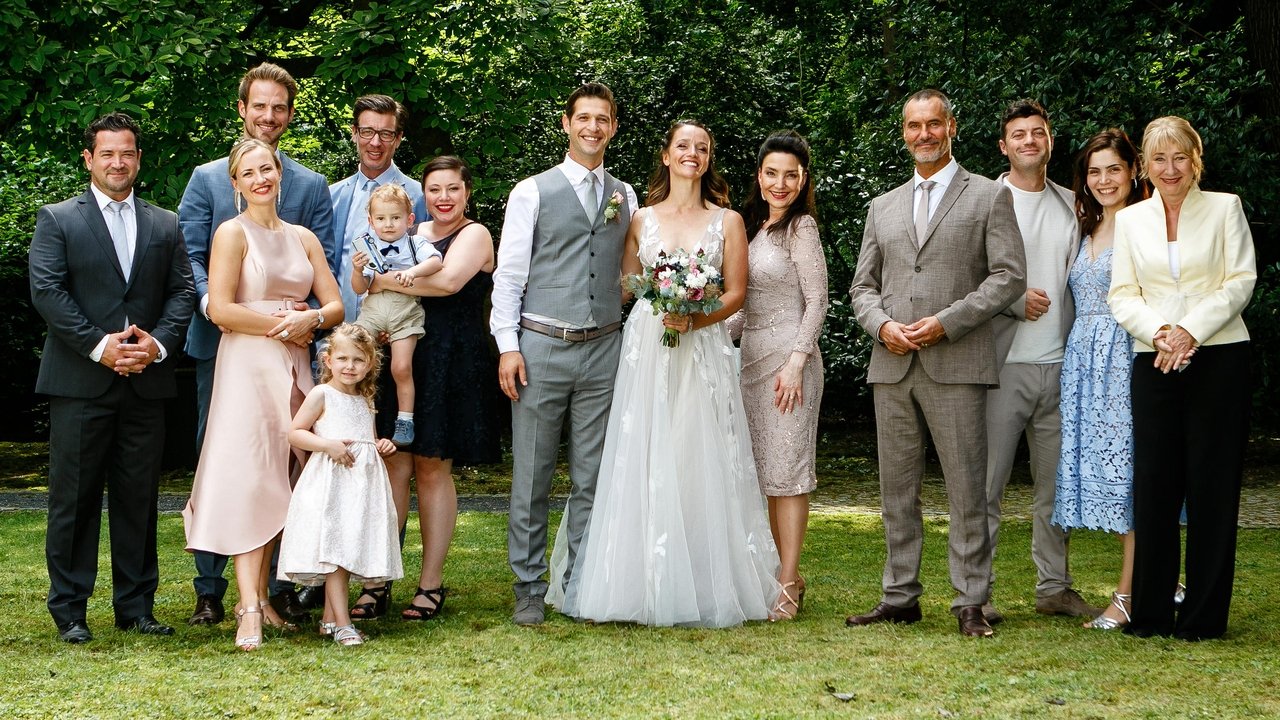
The Ending, Explained
Long-running soaps rarely offer a tidy finale, and this German institution is no exception. When viewers ask about the Alles was zählt ending explained, the honest answer is that the show never treated its conclusion as a single dramatic door slamming shut. Instead, the series built its reputation on a slow churn of relationships, rivalries, and reinventions, so any discussion of how it wraps up has to account for the fact that the story kept reshaping itself across years of broadcast. The final stretch of the programme leans on the same engine that powered it from the start: the Steinkamp Sport and Wellness Centre and the people whose lives are tangled up in it.
What makes the closing chapter interesting is how it returns attention to the institution rather than to any one romance. Characters who once orbited the rink as outsiders are now part of its machinery, and the last episodes ask whether the Centre can actually become the sporting powerhouse it always claimed to be. That question matters more than any single wedding or breakup, and it gives the ending a sense of continuity rather than a hard stop.
What Happens
To set the stage without giving away the early turns: the series opens with Diana Sommer, a young skater with ambitions of competing at the highest level. She falls for Julian Herzog, the man who brings her into the Steinkamp fold, and their relationship becomes the emotional spine of the first era. The Centre itself is run by a family whose ethics are, to put it gently, flexible, and that tension between athletic aspiration and ruthless management fuels much of the drama.
Diana and Julian do become a couple, but the show takes a sharp turn when he suffers a brain hemorrhage and dies on their wedding day in late 2007. Diana stays in Essen for another year or so before leaving for a skating centre in Halle in early 2009. After that departure, the narrative keeps its focus on the Steinkamp Sport and Wellness Centre itself, following the staff and residents who keep the place running. So what happens at the end of Alles was zählt is less a single event and more a handover: the story belongs to the institution and its next generation of characters.
If you enjoy ensemble soaps where a workplace becomes the true protagonist, titles like Casualty follow a similar logic, letting a shared professional setting carry the emotional weight while individual lives cycle through it.
The Meaning Behind the Ending
The Alles was zählt ending meaning sits in that shift of focus. Early on, the show framed ambition through one woman's dream of being a world-class skater. By the later era, ambition has been collectivised: it belongs to a building, a brand, and a workforce. That is a quietly mature idea for a soap to land on, because it acknowledges that institutions outlast the people who give them their most dramatic years.
There is also a thread about legacy. Julian's death early in the run could have ended the series' emotional life, but instead it forced the writers to redistribute attachment across the ensemble. The closing act honours that choice. Rather than resurrecting the original romance or manufacturing a sentimental reunion, the programme treats survival as the real theme, both for the characters and for the Centre they serve.
Themes You Might Have Missed
- Institutional loyalty versus personal ambition. Nearly every character has to decide whether the Centre is a home, a ladder, or a cage.
- Grief as a structural force. The loss of a central figure early on reshapes how the show handles love and commitment afterwards.
- Class and access in sport. The Steinkamp dynasty's control over facilities and funding quietly comments on who gets to chase elite athletics.
- Reinvention. Characters who leave and return show that a long-running narrative treats identity as something you can rebuild.
The Alles was zählt final episode and its surrounding arc work best if you read them as a statement about endurance rather than closure. Soaps are built to continue, and this one is candid about that. For a comparison point on how long-form drama handles generational turnover, Guiding Light spent decades doing something similar with family and community as its anchors.
Should You Press Play on Alles was zählt?
If you want a crash-course in modern German soap storytelling, this is a solid starting point. The show mixes sport, business scheming, and romance without letting any one element dominate for too long, and the cast — Silvan-Pierre Leirich, Tatjana Clasing, André Dietz, Sam Eisenstein, Igor Dolgatschew, Julia Augustin, Lars Korten — carry the serial format with the ease that comes from years of shared screen time. Newcomers may find the early 2000s production style dated, but the plotting holds up.
One caveat: the series was not designed for binge-watching in the way streaming originals are. Its pleasures are cumulative. Once you understand the Alles was zählt explained setup — dream, romance, loss, institution — the show becomes easier to follow across its many seasons. Viewers who like the rhythm of a long-running serial may also appreciate Sturm der Liebe, which shares the German soap tradition and a similarly serialised approach to romance.
Press play if you want volume, consistency, and a story that trusts you to keep up. Skip it if you need a tight, self-contained ending, because this is not that kind of show.
Alles was zählt Quick Facts
- Format: German television soap opera
- First broadcast: September 4, 2006, on RTL
- Genres: Soap, Drama
- Original premise: Diana Sommer's bid to become a world-class ice skater
- Central setting: The Steinkamp Sport and Wellness Centre in Essen
- Key early arc: Diana and Julian's romance, ending with his death during their wedding in November 2007
- Major transition: Diana leaves for a skating centre in Halle in January 2009
- Long-term focus: The Centre's push to become a sporting powerhouse and the lives around it
- Main cast: Silvan-Pierre Leirich, Tatjana Clasing, André Dietz, Sam Eisenstein, Igor Dolgatschew, Julia Augustin, Lars Korten