Alarm for Cobra 11: The Motorway Police (1996)
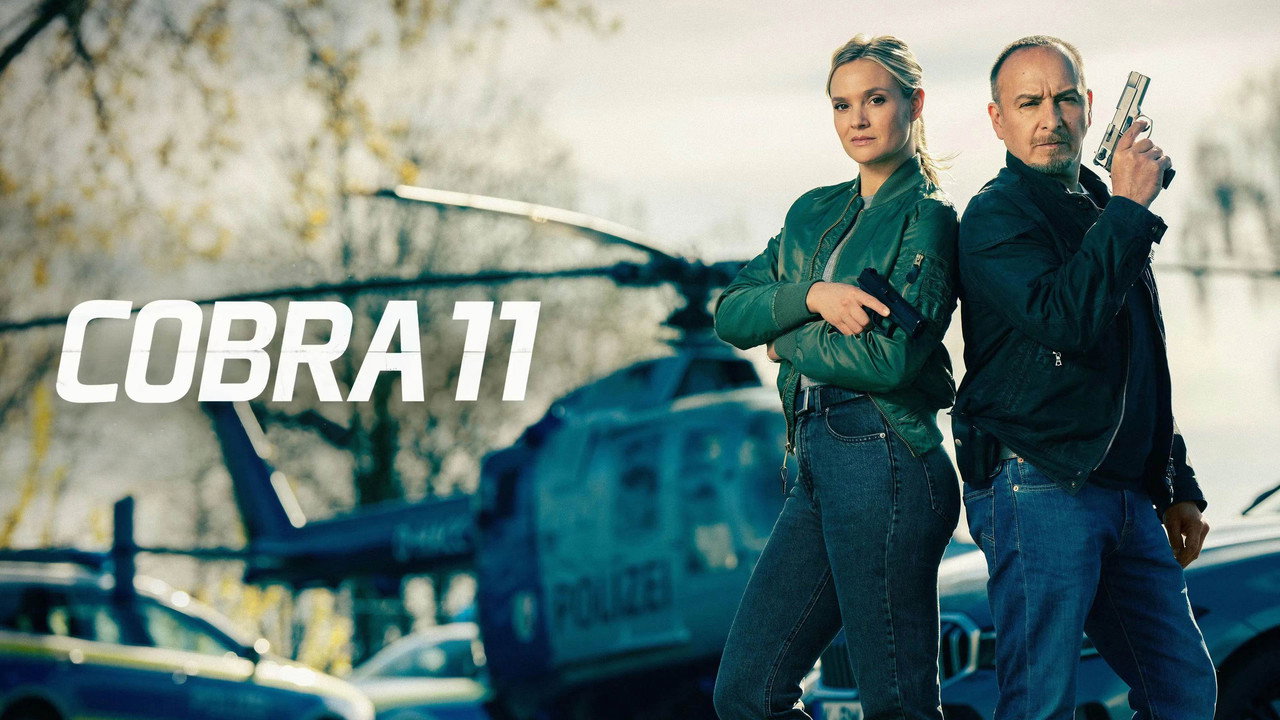
A long-running German television series about a two-man team of highway police, originally set in Berlin and later in North Rhine-Westphalia.
October 27, 2026
The Ending, Explained
When a television program survives for decades as a German cultural staple, viewers inevitably crave a sense of resolution. After watching the later seasons, many fans want Alarm for Cobra 11: The Motorway Police ending explained. In this article we will break down the closing stretch of the series while carefully avoiding any spoilers from the first act. The show centers on a two-man team of highway police, and its extended run means the finale carries the echoes of innumerable patrols. Our attention stays on the final chapter’s significance instead of the early Berlin introductions.
The format mixes drama, comedy, action, and adventure in roughly equal measure. Although there is no single cinematic conclusion, the spirit of the ending reveals how the partnership adapts. The relocation from Berlin to North Rhine-Westphalia widens the backdrop, yet the last stories keep the motorway at the heart of every scene. We observe the officers handling intense situations while preserving an amused outlook on autobahn absurdity. This balance defines the show’s identity right up to the end.
Understanding the conclusion requires accepting the episodic nature of the project. Each case stands alone, but the accumulated familiarity with the characters gives the later episodes a warmer texture. The absence of a traditional twist is itself a statement: life on the highway continues regardless of individual events.
What Happens
The narrative structure remains procedural, but the concluding period invites reflection on routine. You learn what happens at the end of Alarm for Cobra 11: The Motorway Police from our summary of its later tone: the highway police remain on duty, the action stays brisk, and the comedic moments leaven the stress. There is no detonating revelation that erases earlier plots; rather, the final stretch celebrates the two-person unit that keeps traffic moving.
Viewers who enjoy roadside tales might also appreciate Route 66 for its emphasis on long drives and chance encounters. Both programs treat the road as a character, though one enforces law and the other simply wanders.
The principal performers include Erdoğan Atalay, Gizem Emre, Nicolas Wolf, and Pia Stutzenstein. Their collective presence grounds the fluctuating tones of intense pursuit and light amusement. As the setting changes, the essential task of supervising high-speed lanes persists without interruption.
Without detailing opening storylines, we can say the later blocks of episodes reinforce the theme of endurance. The team faces typical hazards: reckless drivers, complex incidents, and the occasional absurd misunderstanding. These elements combine to form a closing impression of steady competence.
The Meaning Behind the Ending
Beneath the surface action, the last phase prompts thought. Fans debate Alarm for Cobra 11: The Motorway Police ending meaning after each revisit because it highlights resilience. The duo configuration stands for mutual reliance under pressure. In a nation where the motorway functions as both practical infrastructure and cultural icon, the police pair embodies order against velocity.
The recorded rating of six point six out of ten from a hundred and forty votes points to a niche but loyal following. That reception matches a series that never claims artistic pretension yet supplies consistent diversion. The ending meaning then circles around continuity: certain responsibilities are never completed, only passed along.
We can also read the final act as a meditation on the German landscape. From Berlin’s urban corridors to North Rhine-Westphalia’s dense network, the highway threads communities together. The police presence assures viewers that someone watches the connectors.
Themes You Might Have Missed
Several subtle currents flow through the run that a distracted audience could miss. We can understand Alarm for Cobra 11: The Motorway Police explained when we notice its repeating signals: Germany as scenery, police as public service, highway police as a distinct craft, intense sequences, and an amused stance that wards off fatigue. The humor is not mere decoration; it is survival tactic amid danger.
For those who like comedic law enforcement, El Chavo del Ocho presents a far lighter cross-cultural cousin. Viewing both illuminates how jest supports procedural frameworks across borders.
Another quiet theme is geographic transition. Beginning in Berlin and later planting stories in North Rhine-Westphalia shows intentional growth. The road itself becomes the true lead. Notions of duty and friendship appear in nearly every installment, reinforcing the show’s moral center without sermonizing.
The genre blend also deserves note. Drama gives weight, comedy gives relief, action gives pulse, and adventure gives scope. Together they form a template that many later programs would imitate.
Alarm for Cobra 11: The Motorway Police: Our Final Verdict
On the whole, the series secures its spot as a dependable entry in German television. The fusion of drama, comedy, action, and adventure yields a pattern that holds attention. While the ballot is small, the six point six score signals steady regard rather than viral sensation.
If you seek another police drama, NYPD Blue stands as a respected American counterpart. It shares the procedural bloodline but exchanges autobahn velocity for city blocks.
We suggest the show to anyone who likes measured storytelling, dynamic pairs, and a smile between collisions. The closing act does not subvert the premise; it affirms it. Newcomers should start where they like, knowing the final chapters reward patience.
Alarm for Cobra 11: The Motorway Police Essentials
Before we part, here is a compact reference for first-time viewers. We also collected some Alarm for Cobra 11 trivia for fun: the production’s length let it outlive many rivals, and its setting shift remains a smart creative move. Such details enrich the viewing experience.
- Genre: Drama, Comedy, Action & Adventure
- Original Setting: Berlin, later North Rhine-Westphalia
- Main Cast: Erdoğan Atalay, Gizem Emre, Nicolas Wolf, Pia Stutzenstein
- Audience Score: 6.6/10 across 140 votes
- Central Idea: A two-man highway police team
The descriptive keywords that capture the mood are germany, police, highway police, intense, action, and amused. Bear those in mind when you begin. As we have laid out, the ending is less a closure and more a salute before the next patrol.