AIBOU: Tokyo Detective Duo (2002): The Power of Conviction
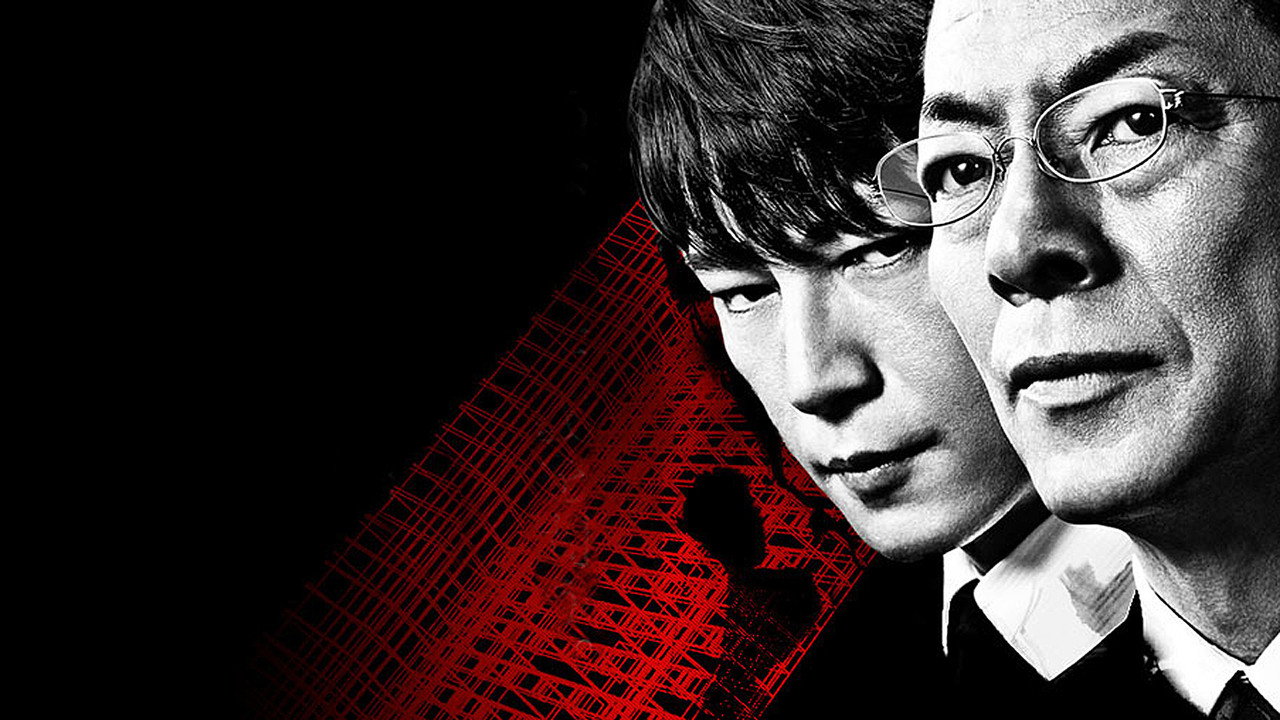
Detective Ukyo Sugishita relies on his own convictions while solving cases with a rotating set of partners in AIBOU: Tokyo Detective Duo.
October 21, 2026
The Ending, Explained
When a series runs through more than a dozen seasons, viewers naturally wonder how it all concludes. For those seeking AIBOU: Tokyo Detective Duo ending explained, the answer is less about a final curtain and more about constant reinvention. The program follows Detective Ukyo Sugishita, a man who confronts crime based on his own convictions. Rather than wrapping up with a single definitive scene, the narrative keeps moving by changing the detective’s partner in the Special Task Unit.
This structure means the closure viewers feel comes from watching relationships shift. The early dynamic with a hot-tempered colleague gives way to cooler, more calculated allies. By treating the later seasons as the true final act, we can appreciate how the show refuses to stagnate. A buddy format stays fresh because the buddy changes.
Unlike many ensemble police dramas, this one keeps the spotlight on a single detective and whoever stands beside him. That choice makes the eventual transitions feel like chapters in a personal journey rather than recasts.
If you enjoy procedural storytelling that evolves, you might also like The Brokenwood Mysteries, which also blends small-team investigation with character focus.
What Happens
The simplest way to describe the trajectory is to look at the rotation of partners. During the first seven seasons, Ukyo works alongside Kaoru Kameyama, a good-natured yet scattered detective with a short fuse. Starting with season eight, Takeru Kanbe takes the role; he is lanky, cool, and confident to the point of conceit. Then from season eleven to thirteen, a young officer named Toru Kai joins him. Toru happens to be the son of Deputy Director-General of The National Police Agency, but he earned his badge through personal effort.
We can summarize what happens at the end of AIBOU: Tokyo Detective Duo by examining the fourteenth season onward. Ukyo’s current partner becomes Wataru Kaburagi, an elite bureaucrat placed in the department on temporary assignment. Notably, Kaburagi is the first partner without any career of a police officer. Together they face challenging cases that test the bounds of their odd pairing.
Each personality brings a distinct rhythm to the criminal investigation. Kameyama’s scatter-shot warmth contrasts with Kanbe’s sleek arrogance. Kai’s privileged background but self-made attitude adds a layer of junior-mentor tension. Kaburagi’s bureaucratic lens reframes every case as a system to be navigated.
The cast supporting these stories includes Yutaka Mizutani, Takashi Yamanaka, Kazuhisa Kawahara, Atsushi Yamanishi, Ryuji Katagiri, Ryo Ono, and Mitsuhiro Oikawa. Their performances ground the procedural elements in human interaction.
For a different flavor of detective work, consider Hinterland, a moody entry in the genre that shares the investigative core.
The Meaning Behind the Ending
Understanding the late-period changes requires looking at symbolism. The late-season shifts, AIBOU: Tokyo Detective Duo ending meaning made clear, point to a commentary on institutional flexibility. When a bureaucrat with no street experience joins a conviction-driven detective, the show suggests that justice can emerge from unlikely collaborations.
Earlier partners represented familiar archetypes: the rough ally, the smug prodigy, the privileged-yet-earnest rookie. Kaburagi breaks the mold entirely. His presence indicates that the Special Task Unit can absorb outside perspectives. That is the thematic resolution the series offers instead of a traditional finale.
The thread of government conspiracy lurking in the background gains weight when a bureaucrat enters the pair. It hints that the system itself can be part of the solution rather than only an obstacle.
Viewers who appreciate this kind of character study may enjoy Barnaby Jones, a classic that also centers on a steady investigative mind paired with changing circumstances.
Themes You Might Have Missed
Beneath the surface, the program is rich with recurring ideas. The varied AIBOU: Tokyo Detective Duo cases span ordinary citizens to company presidents, yet each whodunit returns to the bond between partners. Japan’s police system, criminal investigation norms, and even hints of government conspiracy appear as backdrops.
The odd-couple framing is central. Whether it is the warm but messy Kameyama or the polished Kanbe, the contrast fuels the mystery. A police detective story usually focuses on the crime, but here the buddy dynamic carries equal weight.
Another subtle thread is self-made achievement. Toru Kai could have relied on his father’s position as Deputy Director-General of the National Police Agency, but he chose the hard path. That motif echoes in later seasons when Kaburagi arrives not as a cop but as an administrator learning the ropes.
Mystery and crime are obvious tags, but the government conspiracy angle adds tension without overshadowing the human scale. The show trusts audiences to read between the lines of criminal investigation.
At its core, every entry is a whodunit, but the answer matters less than the road taken by the duo. The police detective framework is familiar, yet the emotional payoff is unconventional.
Should You Press Play on AIBOU: Tokyo Detective Duo?
If you value character-driven procedurals, this one earns its 7.5 out of 10 rating from a modest voting pool. The draw is not explosive action but the slow building of trust between two people from different worlds. The series, AIBOU: Tokyo Detective Duo explained, is essentially a long meditation on partnership for hesitant viewers.
Because the format resets every few seasons, you can join at almost any point without feeling lost. The throughline is always Ukyo’s convictions and the latest person forced to keep up with him. That makes it ideal for casual streaming sessions.
The blend of drama, crime, and mystery genres ensures there is something for fans of quiet tension and those who like a clear whodunit. Given the rotating cast of partners, the show avoids the fatigue that ends many buddy cop properties.
A score of 7.5 from twenty-four voters may seem modest, yet it reflects a niche but devoted audience. The streaming format suits leisurely binge sessions where character growth accumulates.
AIBOU: Tokyo Detective Duo Quick Facts
Before we close, here is a compact rundown of the essential details for quick reference.
- Title: AIBOU: Tokyo Detective Duo (2002)
- Genres: Drama, Crime, Mystery
- Rating: 7.5/10 based on 24 votes
- Main cast: Yutaka Mizutani, Takashi Yamanaka, Kazuhisa Kawahara, Atsushi Yamanishi, Ryuji Katagiri, Ryo Ono, Mitsuhiro Oikawa
- Partner timeline: Kaoru Kameyama (seasons 1-7), Takeru Kanbe (season 8), Toru Kai (seasons 11-13), Wataru Kaburagi (season 14 onward)
- Themes: japan, detective, police, whodunit, police detective, buddy, criminal investigation, government conspiracy, odd couple, mystery, crime
The series stands as a testament to the endurance of the two-person detective formula. By refreshing the duo while keeping Ukyo’s moral center, it offers a streaming experience that respects the viewer’s intelligence.