After Impact (2026): The Human Cost of Survival
After Impact follows Ethan Nichols into a family bunker after an asteroid strike, turning the end of the world into a story about survival and loneliness.
October 15, 2026
The Ending, Explained
Michiel Rensen’s After Impact is a lean 95-minute blend of science fiction, drama, and thriller. The premise is straightforward: Ethan Nichols loses his father, inherits one of the largest greenhouses in the country, and then watches an approaching asteroid push civilization toward collapse. Our After Impact ending explained analysis begins after the impact, since the setup is best experienced fresh and the closing act carries the real weight.
What makes the film unusual is how little it leans on spectacle. The story stays locked on Ethan’s personal experience rather than the global scope of the disaster. The result is an end-of-world story filtered through grief, where the fate of the species matters far less than what the catastrophe does to one man’s sense of self.
What Happens
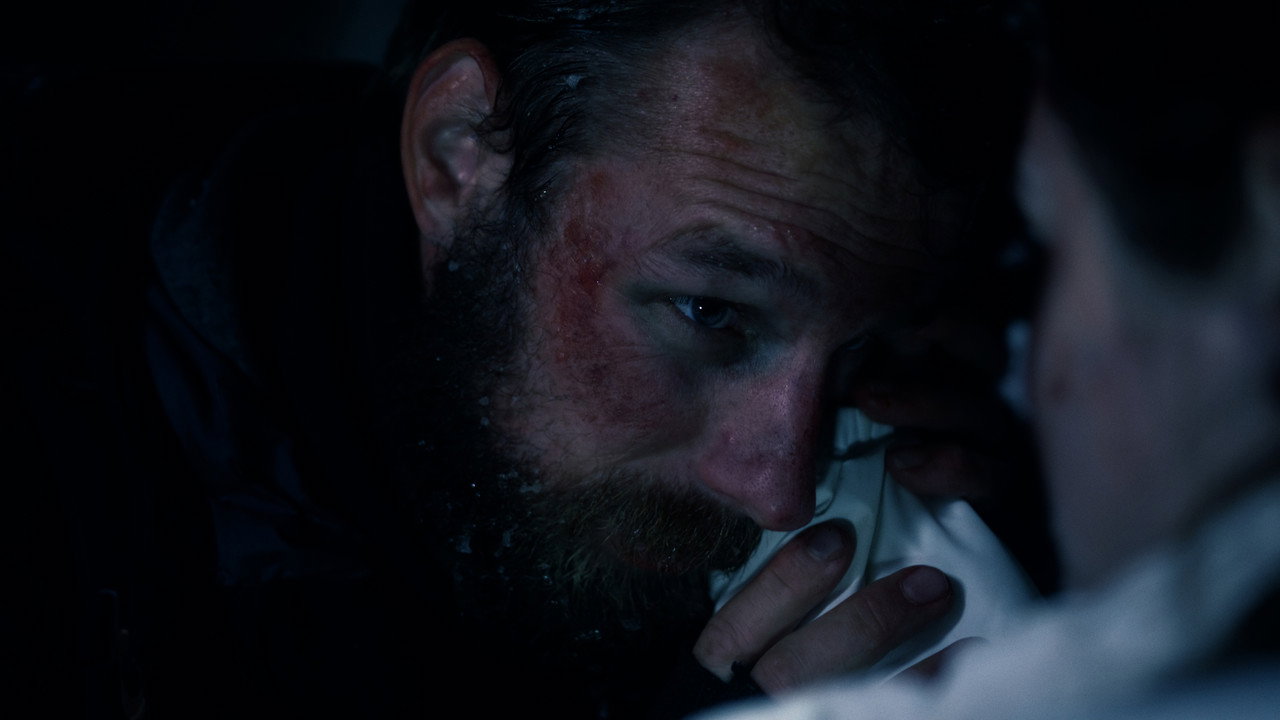
By the final act, Ethan is underground in his family’s bunker. He has survived the initial devastation, but he is badly hurt—physically and emotionally. The place that was meant to keep his family safe now feels like a tomb. He is alone with his injuries, his memories, and the growing suspicion that survival might demand the last pieces of his humanity.
The script gives him almost no allies in these scenes, forcing the audience to sit inside his claustrophobia. Those After Impact final moments are built almost entirely from sound design and facial expression. After long stretches of silence, a faint voice crackles over his radio. The transmission is fragile, barely more than a whisper against the static, but it changes everything. Ethan is no longer the only person left in his world. Whether that discovery is a rescue, a trap, or simply proof of shared suffering is left deliberately unresolved, which is precisely why the scene lingers.
The Meaning Behind the Ending
The After Impact ending meaning question comes down to whether Ethan is rescued or simply found. The film offers no sweeping save. Instead, it suggests that connection itself is the only form of salvation available after the world ends. The voice on the radio does not repair his injuries or reverse the disaster; it merely reminds him that he is still human, still wanted, still accountable to someone else.
In that sense, the bunker becomes a symbol of isolation that must be cracked open. Ethan entered it to escape death, but he almost loses himself inside. The final transmission forces him to re-enter the world of other people, even if that world is now smaller and harsher. Love, loss, and loneliness are not side themes here; they are the actual machinery of the plot.
Themes You Might Have Missed
The greenhouse is more than set dressing. It represents growth, patience, and the possibility of a future—all things that seem absurd after an asteroid strike. That tension between nurturing life and facing mass death gives the film its quiet melancholy, and it explains why Ethan clings to routine even as society unravels around him.
There is also a straightforward After Impact explained reading that treats the film as a character study wearing a disaster-movie coat. The asteroid is the inciting incident, but the real conflict is internal. Ethan’s strength is tested less by physical confrontations than by how long he can endure despair without turning cruel. In that light, After Impact belongs to a small but rich tradition of science fiction that uses cosmic threats to ask intimate questions. Fans of spare, isolation-driven science fiction may also appreciate Lapsis, which similarly uses a speculative premise to explore labor and loneliness.
Our Take on After Impact
At 95 minutes, After Impact is not bloated, but it is slow. Rensen trusts silence and small gestures, which works beautifully for mood but leaves little room for traditional plot momentum. The After Impact bunker survival arc is less about logistics and more about psychological endurance. If you need constant exposition or explosive set pieces, the pacing may frustrate you.
Still, there is real value in a disaster film that resists the urge to make its hero a superhero. Ethan is injured, grieving, and often unpleasant company, yet the film never asks us to root for him because he is heroic. It asks us to care because he is broken and still trying. For viewers who enjoy end-of-world stories that prioritize emotional realism over destruction, the film has a stubborn, quiet power. It shares more DNA with the intimate survival dread of When Worlds Collide than with modern blockbuster spectacle, even though the two films could not look more different on the surface. If you want a disaster movie that also functions as a grief drama, this one is worth your time.
After Impact FAQ
Do I need to watch the whole film to understand the ending? The ending only makes sense if you sit with Ethan’s isolation for the full 95 minutes. The payoff is emotional rather than expository.
Is there a twist? No. The film avoids twist endings. The discovery that Ethan is not alone is a shift in tone and stakes, not a surprise revelation about what caused the impact.
What does the radio voice represent? Interpretations vary, but the most direct reading is that it represents hope and obligation. It pulls Ethan out of pure self-preservation and back toward community.
Is the film appropriate for all viewers? It contains themes of death, grief, and societal collapse, but it is not graphically violent. The tone is somber and reflective, more interested in inner turmoil than shock value.
Where can I watch similar films? If you like quiet, character-driven catastrophe stories, check out 9, an animated post-apocalyptic film with a similarly minimalist approach to survival.