24 (2001): Real-time counterterrorism across one day
This article breaks down the real-time format of 24 (2001) and explains how Jack Bauer's single-day seasons conclude.
October 20, 2026
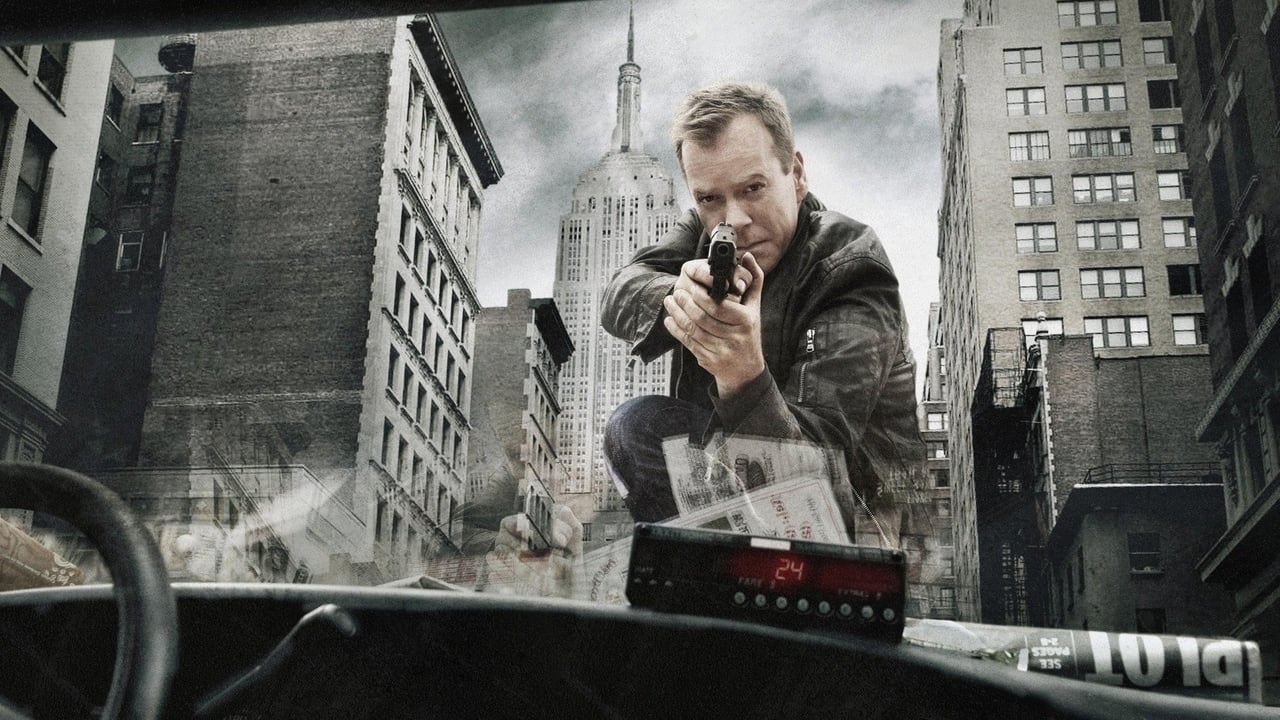
The Ending, Explained
When a show runs on real-time tension, audiences naturally look for clarity once the clock runs out. The topic of 24 ending explained draws many newcomers who want to parse the final act without sitting through every minute. At its core, the series follows counterterrorism agent Jack Bauer as he confronts threats across a single day each season. The structure means the conclusion of any given storyline arrives with the weight of hours compressed into minutes. A proper frame of reference shows that 24 explained is simply the idea that each season tracks one continuous day. Bauer, played by Kiefer Sutherland, operates within a world of secret service protocols and political pressure, yet his personal code drives the last stand.
The beauty of the format is that knowing the destination does not ruin the journey. Because the tagline promises "A lot can happen in a day," the ending is an accumulation rather than a reveal. Jack Bauer's pursuit of justice against traitors and biological weapon plots unfolds with methodical pressure. Viewers who seek 24 ending explained often expect a cheat sheet, but the series rewards those who sit with the hour-by-hour descent. The cast including Kim Raver and Yvonne Strahovski enrich the closing beats with personal stakes that mirror Bauer's own.
What Happens
Without revealing the early maneuvers that set the board, we can say the climax centers on the keywords supplied by the show's tapestry: a biological weapon threat, a traitor in the ranks, and the specter of an assassination of president. The location is Los Angeles, California, a city that becomes a chessboard for political intrigue. As the hours tick toward the final episode of a season, Bauer must untangle revenge plots while protecting institutions. The question of what happens at the end of 24 typically involves a confrontation where loyalty is tested and the cost of victory is measured in personal loss. Mary Lynn Rajskub and Kim Raver appear among the ensemble who share the burden of these closing moments.
The final act frequently positions Los Angeles, California as a pressure cooker where secret service loyalties fracture. Without detailing the opening moves, we can say that political intrigue reaches a head when an assassination of president plot surfaces. Revenge motivates both protectors and attackers, creating a moral mirror. Tate Donovan and William Devane inhabit roles that show how power responds under siege. The real-time gimmick means the climax is not a montage but a sustained breathless sequence where every choice matters.
The Meaning Behind the Ending
We can see that the 24 ending meaning is rooted in sacrifice. Across the arcs, the narrative suggests that defending a nation sometimes requires a lone operative to shoulder impossible choices. Themes of revenge and traitorous acts show that the enemy is not always external; the secret service and political circles hide vulnerabilities. When Bauer prevails, it is rarely a clean win. Instead, the final act communicates that the fight against biological weapon deployment or presidential assassination leaves scars. The rating of 7.78 out of 10 from nearly two thousand votes reflects how viewers appreciate this nuanced portrait of heroism. Yvonne Strahovski and Tate Donovan join the cast in later stretches, reinforcing that the burden shifts but never disappears.
Another layer of 24 ending meaning lies in the ordinary becoming extraordinary. A single day in Bauer's life encapsulates the fragile bargain between security and freedom. The presence of a biological weapon threat forces characters to weigh civilian safety against protocol. When the secret service faces internal treason, the conclusion argues that vigilance is a communal duty. The show's 7.78 rating suggests audiences connect with this sobering message. Mary Lynn Rajskub's character arc especially highlights the human cost behind the screens of counterterrorism.
Themes You Might Have Missed
Beyond the surface action, the series plants subtle threads. The constant presence of Los Angeles, California is not just backdrop; it symbolizes a microcosm of national security. Biological weapon storylines warn about unseen dangers, while the traitor motif questions whom we trust inside the secret service. Political intrigue and assassination of president plots elevate the personal to the constitutional. Revenge operates as both motivation and trap. If these ideas resonate, you may enjoy Manhunt, a title that also tracks determined pursuit against conspiracy. Likewise, Hunter offers a similarly tense look at those who chase threats through institutional fog. William Devane's involvement underscores the weight of political roles.
Notice how the California setting contrasts sunny imagery with dark conspiracies. The traitor theme is not confined to one villain; it questions systems that produce broken loyalties. Assassination of president storylines are not mere spectacle but commentaries on democratic vulnerability. Revenge cycles show that punishing one bad actor rarely closes the loop. These quiet ideas reward repeat viewing. The series also bridges Action & Adventure with Drama through small character moments that punctuate the crime plotting. The tagline "A lot can happen in a day" becomes literal when each theme converges in the final hour.
Our Take on 24
We find the show's format ambitious and its character work compelling. A complete 24 episode list reveals how tightly each hour is engineered to raise stakes. Kiefer Sutherland anchors the chaos with a performance that balances grit and grief. While the genres list Action & Adventure, Drama, Crime, the heart is a moral study of a man facing impossible odds. For viewers who like tactical tension, Shooter provides a comparable adrenaline curve. The series never cheapens its threats; whether it is a biological weapon or a traitor near the president, the danger feels earned. With 1909 votes solidifying a 7.78 score, the audience consensus leans positive.
We admire how the writers trust the audience to follow intricate timing. The ensemble, from Kiefer Sutherland to supporting players like Kim Raver, never breaks the illusion of a living clock. While some may find the political intrigue dense, the emotional core remains accessible. A viewer compiling a 24 episode list will notice how each season stands alone yet contributes to Bauer's legacy. The show's blend of biological weapon fear and secret service realism feels prescient. Our recommendation is to start at the beginning but keep the finale in mind as a payoff built on patience.
24 FAQ
Is the show told in real time? Yes, each season covers a single day with episodes unfolding minute by minute. Who leads the cast? Kiefer Sutherland headlines as Jack Bauer, supported by Mary Lynn Rajskub, Kim Raver, Yvonne Strahovski, Tate Donovan, and William Devane. What setting dominates? Los Angeles, California serves as the primary stage for political intrigue and secret service operations. Are the themes consistent? Biological weapon threats, revenge, and assassination of president scenarios recur across the run. How does the tagline fit? "A lot can happen in a day" captures the compressed storytelling.
Does the show require watching in order? Not strictly, since each season is a self-contained day, but character growth benefits from sequence. What genre fits? Action & Adventure, Drama, Crime cover the spectrum. Why does the score sit at 7.78/10? The realistic tension and flawed heroes earn steady admiration. The phrase 24 explained becomes a helpful lens: understand one day and you understand the method. Los Angeles, California remains the anchor for most threats. With traitor and revenge motifs woven throughout, the finale always feels earned.