100 Days of Deception (2026): Love Blooms Amidst Betrayal
100 Days of Deception (2026) follows a Gyeongseong pickpocket who infiltrates the colonial government to steal secrets and falls for her target's son.
October 16, 2026
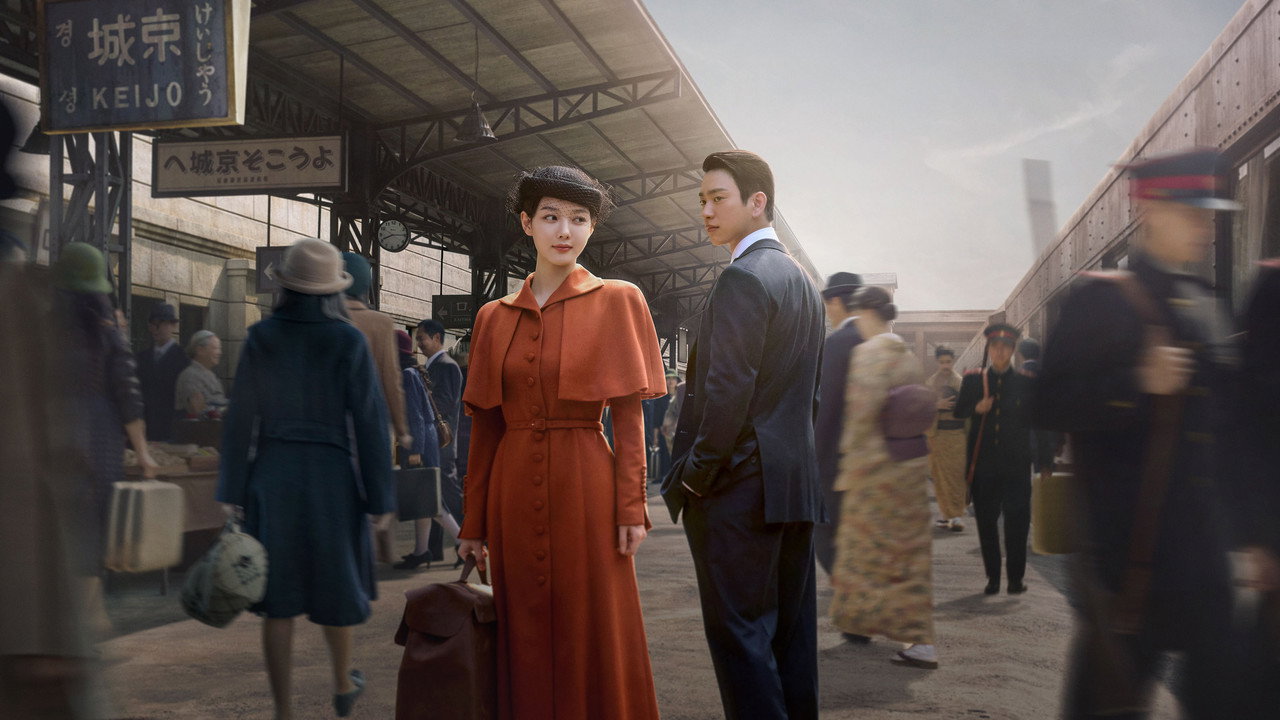
The Ending, Explained
The 100 Days of Deception movie transports viewers to 1932 Gyeongseong, where a skilled pickpocket named Lee Ga-gyeong takes on a dangerous assignment. While we avoid detailing the early infiltration, it is fair to say the final act pays off the slow burn of trust and betrayal. A full 100 Days of Deception explained guide would note the lavish costumes and period accuracy, but our purpose is the closure. The production commits to a grounded atmosphere that lets the drama speak for itself, and the foreign-language format ceases to be a barrier once the performances take hold.
Fans of tense political stories may also appreciate Homeland, which similarly threads personal stakes through national intrigue.
Without revealing how the mission begins, the last episodes reposition the central relationship. The pickpocket's original goal of stealing secrets for freedom clashes with unexpected affection for the son of her target. This tension defines the home stretch of the narrative, and the camera often lingers on small gestures rather than grand statements.
The colonial architecture becomes a silent character, reminding us that every corridor could hide a listener. Lee Ga-gyeong's journey is less about physical escape than about emotional reckoning. The tagline "Hide who you are, hide how you feel" finds its loudest echo in the closing moments, where a single choice redefines earlier deceptions.
We see the cost of surveillance not through exposition but through fractured expressions.
What Happens
The closing sequence, what happens at the end of 100 Days of Deception, avoids a loud spectacle in favor of emotional consequence. Lee Ga-gyeong must decide whether the information she gathered can be used without destroying the fragile bond she formed. The colonial government's net tightens, yet the resistance finds a narrow path that does not require total victory to feel meaningful.
We prepared a detailed 100 Days of Deception ending explained essay to map the last choices, showing how each character's route converges. The son learns truths that reframe his loyalty, and the pickpocket faces a choice between personal happiness and the broader korean resistance movement. Their final conversation is staged in muted tones, suggesting that words are insufficient for what they now share.
Not every thread wraps in a bow. The script trusts the audience to sit with ambiguity, which is rare for a period adventure. Actions taken in the final minutes echo the tagline about hiding identity and feeling, and the absence of a forced reunion speaks to the realism of espionage romance. Viewers expecting a cleared name may instead find a quieter testament to endurance.
The last shots frame the city at dawn, implying that a new day does not erase the night's sacrifices. This visual pacing confirms the story's respect for its historical setting.
The Meaning Behind the Ending
The core idea, 100 Days of Deception ending meaning, reflects the price of living a lie under japanese occupation of korea. When someone must conceal both who they are and what they feel, every intimate moment carries weight. The finale suggests that truth, even if delayed, becomes the only sustainable freedom, and that love forged in deception can still be valid.
For those who enjoy heist-driven romance, Steal presents a modern echo of the same cat-and-mouse energy found here.
By refusing a tidy victory, the story honors the real stakes of espionage romance. The characters do not exit unchanged; their silence in the last scene communicates more than dialogue could. We can read the ending as a comment on the limits of resistance when the personal and political collide.
The son's acceptance of his father's enemy as a person marks a small but radical break from colonial logic. Furthermore, the conclusion underscores that freedom is not a location but a state of being able to name one's own heart. That theme elevates the film above typical genre fare and anchors the 9.0 early rating in substance rather than spectacle.
Themes You Might Have Missed
Beneath the surface, the series weaves espionage with a study of identity. The japanese occupation of korea is not just backdrop but a pressure that shapes every glance. Viewers focused on the love story might overlook how the korean resistance operates through small daily acts of defiance, from passed notes to swallowed truths.
Another layer is the contrast between performance and self. The pickpocket's craft requires reading others; the colonial hallways demand a false face. This mirrors the espionage romance theme where attraction grows precisely because two people cannot be honest. The costume design reinforces this by dressing the leads in layers that visually signal concealment.
If period letters interest you, Birthday Letter explores a comparable era of concealed emotion through correspondence.
Attention to period detail extends beyond wardrobe. The soundscape of Gyeongseong streets, the rigid protocol of government offices, and the careful choreography of theft all build a world where deception is survival. Missing these textures weakens the impact of the final act, because the ending only lands if you have felt the weight of the disguise.
100 Days of Deception: The Bottom Line
With a 9.0 rating from early voters, the piece signals strong reception despite limited votes. Director Yoo In-sik guides a cast including Kim You-jung and Jinyoung through a measured pace that rewards patience. The final act stands as the emotional peak rather than a plot device, and the ensemble supports it with restrained performances.
Genres list Action & Adventure alongside Drama, and the blend feels earned. The runtime remains unlisted, but the narrative density suggests a limited episodic structure. For a free streaming blog audience, this is a recommended watch when you want substance over splash.
The series avoids spoon-feeding, trusting you to interpret the silence. While the first act sets the hook, the value accumulates in how the conclusion reframes everything prior. That structural choice is why we encourage viewers to stay through the credits, where the tagline recurs as a final whisper.
100 Days of Deception Quick Facts
- Title: 100 Days of Deception (2026)
- Director: Yoo In-sik
- Genres: Action & Adventure, Drama
- Main cast: Kim You-jung, Jinyoung, Kim Hyun-joo, Lee Mu-saeng, Jin Sun-kyu, Seo Jeong-yeon, Kiko Oi, Park Jung-yeon
- Tagline: Hide who you are, hide how you feel.
- Setting: 1932 Gyeongseong (Seoul), Korea
- Rating: 9.0/10 (2 votes)
Themes include espionage, korean resistance, japanese occupation of korea, and espionage romance. The plot follows Gyeongseong's top pickpocket infiltrating the colonial government to steal secrets, only to fall for her target's son. This breakdown has walked through the finale without spoiling the opening, and the approved links above offer further viewing in similar tones.